

20 centesimi – Italy
Add to wishlist
Italy
Context
Material
Diameter: 21.3 mm
Weight: 3.9 g
Thickness: 1.4 mm
Shape: Round
Composition: Copper-nickel
Technique: Milled
Alignment: Coin alignment
flip
References
KM: #
Numista: #2276
Value
Exchange value: 0.20 ITL
Obverse
Description:
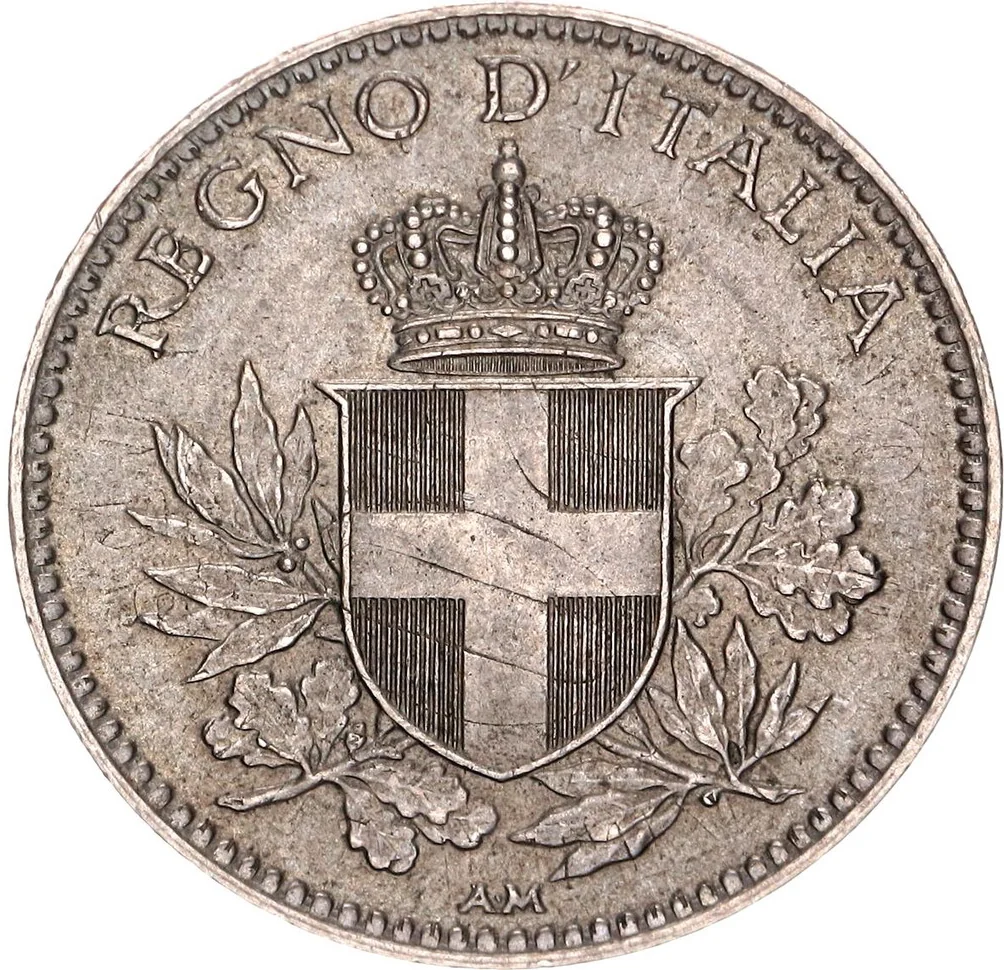
Savoia Shield crowned within laurel and oak branches, issuer above, engraver's initials below.
Inscription:
REGNO D'ITALIA
A.M.
A.M.
Translation:
In the Reign of Italy
A.M.
A.M.
Script: Latin
Engraver: Attilio Silvio Motti
Reverse
Description:
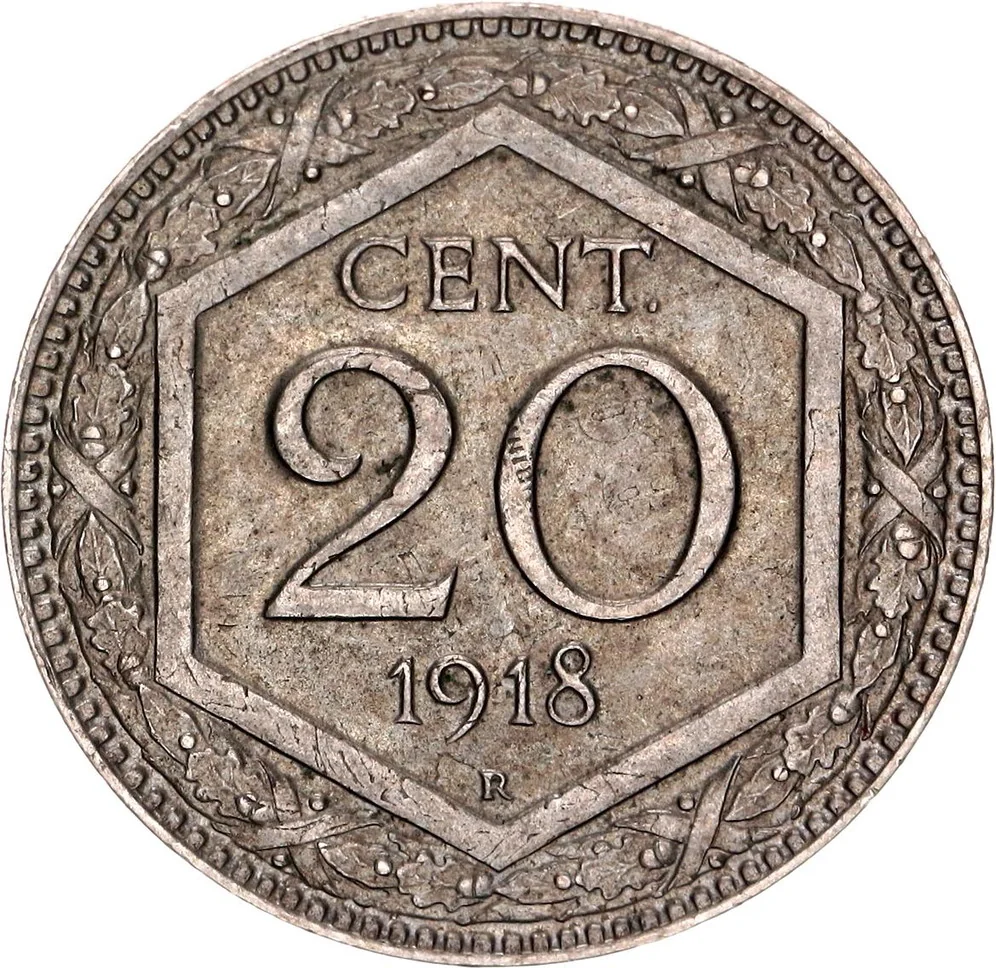
Coin value and date in a hexagon, encircled by a laurel wreath, with the mintmark beneath the date.
Inscription:
CENT.
20
1920
R
20
1920
R
Script: Latin
Engraver: Attilio Silvio Motti
Edge
Categories
| Symbols> Coat of Arms |
Mints
| Name | Mark |
|---|---|
| Rome | R |
Historical background
Italy emerged from World War I in 1918 in a state of profound economic and financial crisis, which set the stage for severe monetary instability. The war had been financed not through taxes but through massive borrowing from the Bank of Italy and from foreign allies, primarily Britain and the United States. This resulted in a dramatic expansion of the paper money supply, as the government printed currency to cover its deficits, severing the lira's convertibility to gold. Consequently, public debt soared, industrial production was crippled by the war effort, and the nation faced a large balance of payments deficit.
The immediate post-war period saw the lira come under intense pressure from both inflation and external devaluation. Domestically, the inflated money supply chased scarce goods, pushing prices sharply upward and eroding purchasing power. Internationally, the lira's value on foreign exchange markets plummeted, partly due to a lack of confidence in Italy's ability to repay its substantial war debts and to restore economic stability. This created a vicious cycle where the falling exchange rate increased the cost of essential imports like coal and grain, further fueling domestic inflation.
Politically, the currency chaos became a central and destabilizing issue. The weak successive governments were unable to impose the fiscal austerity needed to stabilize the lira, leading to social unrest as living standards collapsed. This economic distress, characterized by the perceived betrayal of savers and the middle class through inflation, fostered widespread disillusionment with the liberal state. The resulting social turmoil and nationalist desire for a "strong lira" ultimately provided fertile ground for the rise of Benito Mussolini and the Fascist movement, which would later make currency stability a core propaganda pillar.
The immediate post-war period saw the lira come under intense pressure from both inflation and external devaluation. Domestically, the inflated money supply chased scarce goods, pushing prices sharply upward and eroding purchasing power. Internationally, the lira's value on foreign exchange markets plummeted, partly due to a lack of confidence in Italy's ability to repay its substantial war debts and to restore economic stability. This created a vicious cycle where the falling exchange rate increased the cost of essential imports like coal and grain, further fueling domestic inflation.
Politically, the currency chaos became a central and destabilizing issue. The weak successive governments were unable to impose the fiscal austerity needed to stabilize the lira, leading to social unrest as living standards collapsed. This economic distress, characterized by the perceived betrayal of savers and the middle class through inflation, fostered widespread disillusionment with the liberal state. The resulting social turmoil and nationalist desire for a "strong lira" ultimately provided fertile ground for the rise of Benito Mussolini and the Fascist movement, which would later make currency stability a core propaganda pillar.
🌱 Very Common