

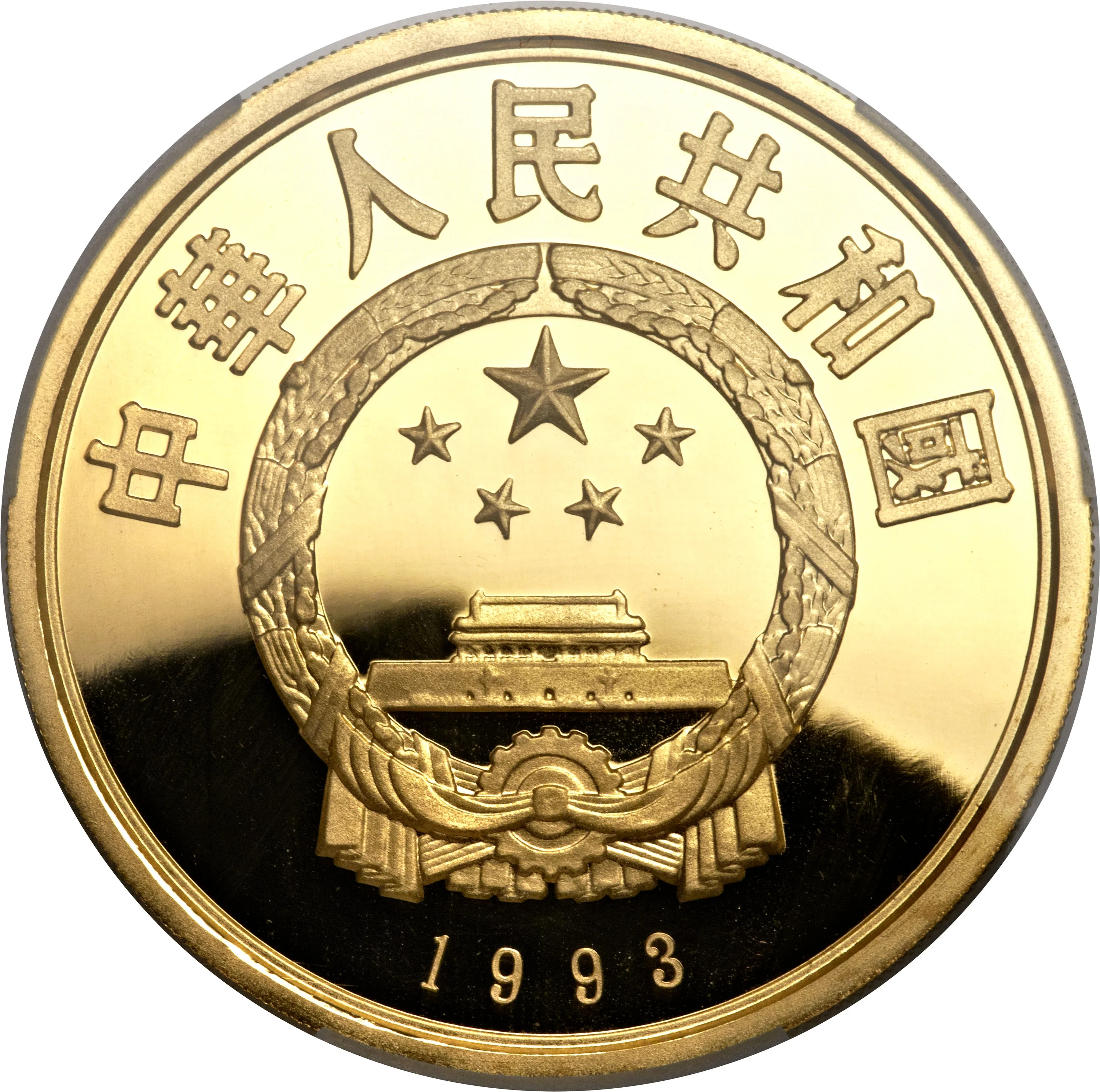
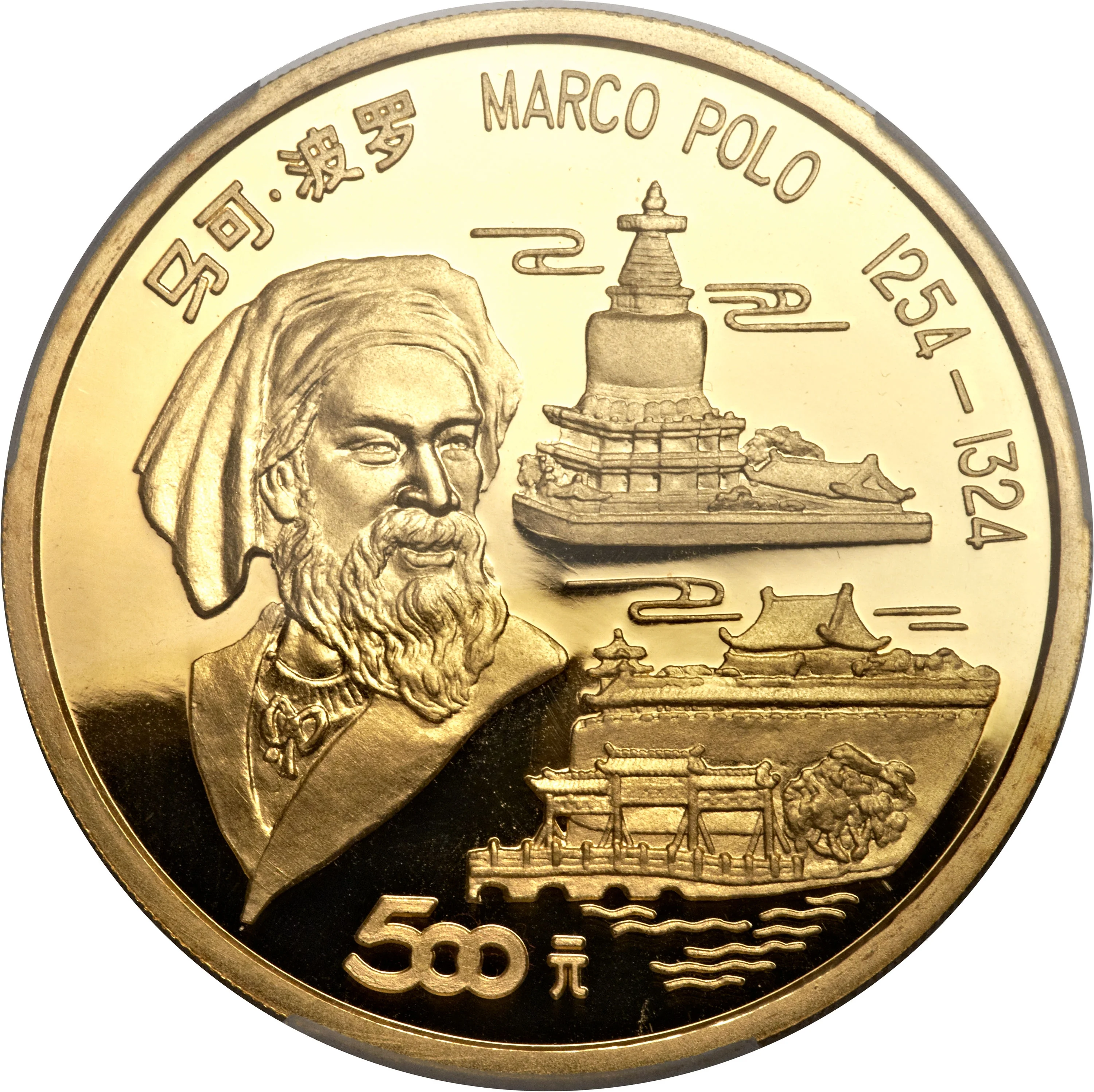
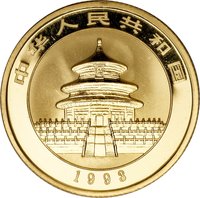
500 yuan – People's Republic of China
Add to wishlist
China
Context
Year: 1993
Country: China
Issuer: People's Republic of China
Period:
(since 1949)
Currency:
(since 1955)
Total mintage: 99
Material
Diameter: 60 mm
Weight: 155.52 g
Gold Weight:: 155.36 g
Shape: Round
Composition: 99.9% Gold
Standard: Silver 5 ounces
Magnetic: No
Technique: Milled
Alignment: Medal alignment
flip
References
KM: #
Numista: #22756
Value
Exchange value: 500 CNY
Bullion value: $23868.49
Inflation-adjusted value: 1479.43 CNY
Obverse
Reverse
Edge
Mintings
| Year | Mint Mark | Mintage | Quality | Collection |
|---|---|---|---|---|
| 1993 | — | 99 | Proof |
Historical background
In 1993, the People's Republic of China operated under a complex dual-track currency system, a hallmark of its gradualist economic reforms. Officially, the renminbi (RMB) had a government-fixed exchange rate, but it coexisted with a more market-driven "swap rate" used in Foreign Exchange Adjustment Centers (FEACs), often called "swap centers." This created a significant gap: the official rate was around RMB 5.8 to the US dollar, while the swap rate could exceed RMB 8, reflecting stronger market demand for foreign currency. This disparity led to widespread arbitrage, capital flight, and mounting pressure on China's foreign exchange reserves, as enterprises sought to exploit the cheaper official rate for imports while preferring the more profitable swap market for export earnings.
The situation was symptomatic of the broader tensions between a planned economy and emerging market forces. The dual-track system, intended to provide stability while allowing incremental liberalization, had become a source of distortion and inefficiency. It undermined macroeconomic control, as the People's Bank of China (PBOC) struggled to manage monetary policy with a fragmented foreign exchange market. Furthermore, China's accelerating growth and expanding trade surplus made the artificially weak official rate increasingly untenable, drawing criticism from international trading partners and complicating China's bid to rejoin the General Agreement on Tariffs and Trade (GATT).
Recognizing the dangers, Chinese authorities took decisive steps that year to unify the exchange rates. In a critical move, the PBOC intervened heavily in the swap markets to narrow the gap and then, in December 1993, announced a bold reform: effective January 1, 1994, the dual rates would be abolished. The official rate was devalued to approximately RMB 8.7 to the dollar, unifying it with the prevailing swap market rate, and a new managed floating exchange rate system was established. This pivotal reform marked the end of the dual-track era, stabilizing the currency, bolstering foreign reserves, and laying the essential foundation for China's deeper integration into the global economy.
The situation was symptomatic of the broader tensions between a planned economy and emerging market forces. The dual-track system, intended to provide stability while allowing incremental liberalization, had become a source of distortion and inefficiency. It undermined macroeconomic control, as the People's Bank of China (PBOC) struggled to manage monetary policy with a fragmented foreign exchange market. Furthermore, China's accelerating growth and expanding trade surplus made the artificially weak official rate increasingly untenable, drawing criticism from international trading partners and complicating China's bid to rejoin the General Agreement on Tariffs and Trade (GATT).
Recognizing the dangers, Chinese authorities took decisive steps that year to unify the exchange rates. In a critical move, the PBOC intervened heavily in the swap markets to narrow the gap and then, in December 1993, announced a bold reform: effective January 1, 1994, the dual rates would be abolished. The official rate was devalued to approximately RMB 8.7 to the dollar, unifying it with the prevailing swap market rate, and a new managed floating exchange rate system was established. This pivotal reform marked the end of the dual-track era, stabilizing the currency, bolstering foreign reserves, and laying the essential foundation for China's deeper integration into the global economy.
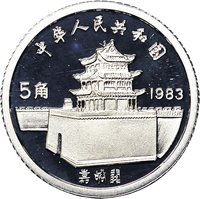
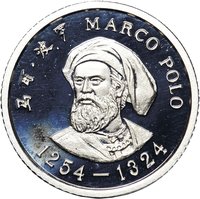
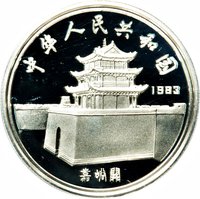
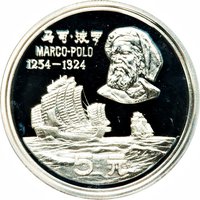
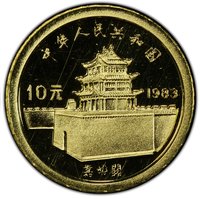
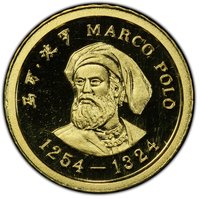
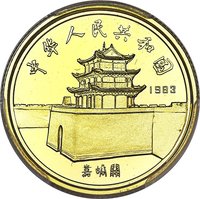
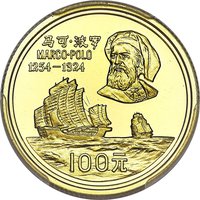
Series: Marco Polo

✨ Legendary