Logo Title
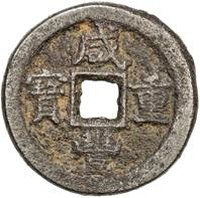
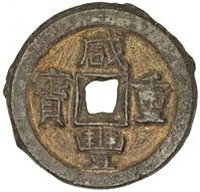
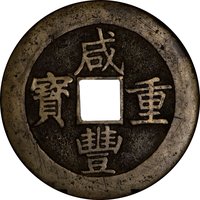
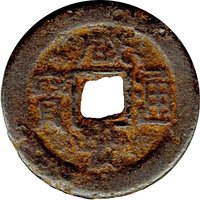
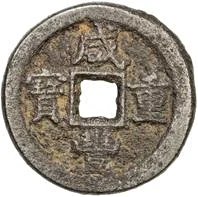
obverse
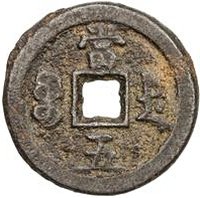
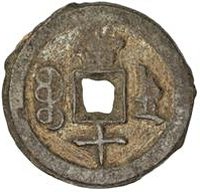
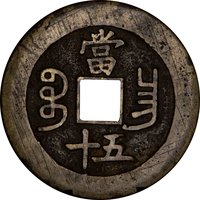
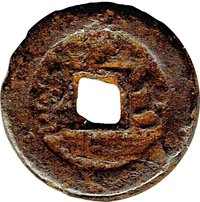
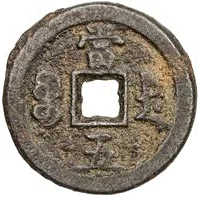
reverse
Stephen Album Rare Coins
Context
Year: 1855
Country: China Country flag
Ruler: Xianfeng
Demonetized: Yes
Material
Diameter: 28 mm
Composition: Iron
Technique: Cast
Alignment: Medal alignment
Obverse
OBVERSE ↑
flip
Reverse
REVERSE ↑
References
Numista: #226306

Obverse

Description:
Four Chinese characters read vertically, right to left.
Inscription:


寶 重

 豐
Translation:
Xianfeng

Treasured Coin

Valuable
Language: Chinese

Reverse

Description:
Two Manchu words flank a central hole, each with a Chinese character above and below.
Inscription:


ᠪᠣᠣ ᡩᡝ

Translation:
When you cast a coin, it is five.

Edge

Plain

Mints

NameMark
Chengde Mint

Mintings

YearMint MarkMintageQualityCollection
1855

Historical background

In 1855, the currency system of the Qing Empire was in a state of profound crisis, a direct reflection of the dynasty's wider political and military decay. The primary system was bimetallic, relying on silver by weight (measured in taels) for large transactions and bronze cash coins with a square hole for everyday use. However, the state had long lost effective control over minting and valuation. Provincial mints produced vast quantities of debased copper cash, leading to severe inflation in the copper currency, while the exchange rate between copper and silver fluctuated wildly, impoverishing peasants who paid taxes in silver but earned in cash.

This monetary instability was dramatically worsened by external shocks. The massive outflow of silver to pay for opium imports following the First Opium War (1839-1842) had created a crushing "silver famine," driving up its value. Furthermore, the ongoing Taiping Rebellion (1850-1864), which by 1855 controlled the wealthy Yangtze River region, severed revenue flows to the central government and disrupted internal trade. To finance military campaigns against the rebels, the desperate Qing court sanctioned the issuance of hubu guanpiao (Ministry of Revenue official notes) and allowed provincial authorities to experiment with even less secure paper money and large-denomination iron coins, further eroding public trust.

Consequently, the empire's monetary landscape was one of chaotic fragmentation. Multiple currencies of dubious value circulated simultaneously—official and private silver sycee, countless varieties of cash coins, depreciated paper notes, and local ad-hoc issues. This chaos stifled commerce, exacerbated popular discontent, and crippled the state's fiscal capacity. The currency situation of 1855 thus stands as a potent symbol of the Qing's failing legitimacy and its inability to manage the internal and external pressures that would ultimately lead to its collapse.

Series: 1855 Empire of China circulation coins

1 Cash obverse
1 Cash reverse
1 Cash
1855-1861
1 Cash obverse
1 Cash reverse
1 Cash
1855-1861
1 Cash obverse
1 Cash reverse
1 Cash
1855
5 Cash obverse
5 Cash reverse
5 Cash
1855
10 Cash obverse
10 Cash reverse
10 Cash
1855
1 Cash obverse
1 Cash reverse
1 Cash
1855-1861
50 Cash obverse
50 Cash reverse
50 Cash
1855-1860
Legendary