

10 dollars – Canada
Add to wishlist
Non-circulating coins
Commemoration: 1976 Olympics Montréal
Canada
Context
Material
References
KM: #
Numista: #10982
Value
Exchange value: 10 CAD
Bullion value: $114.80
Inflation-adjusted value: 73.82 CAD
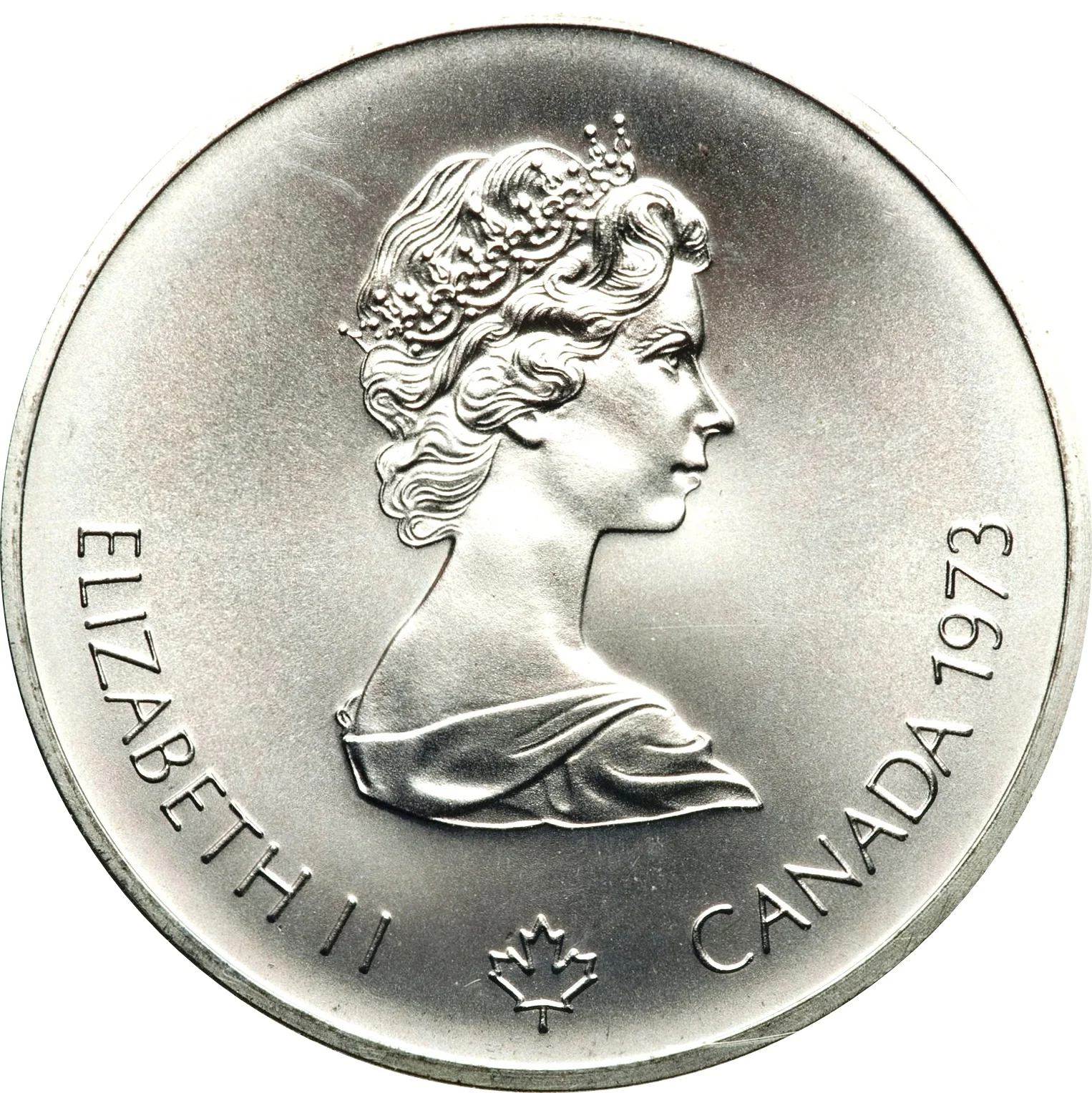
Obverse
Description:
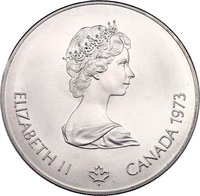
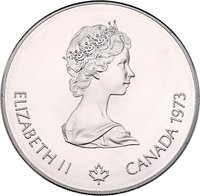
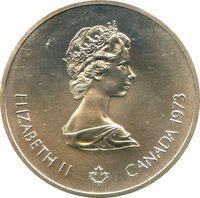
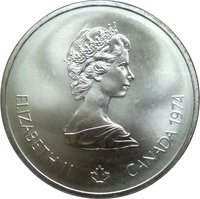
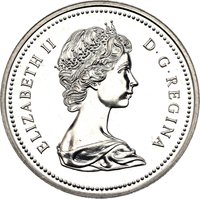
Bust of Queen Elizabeth II at age 37, wearing a tiara and facing right.
Inscription:
ELIZABETH II CANADA 1973
Script: Latin
Designer: Arnold Machin
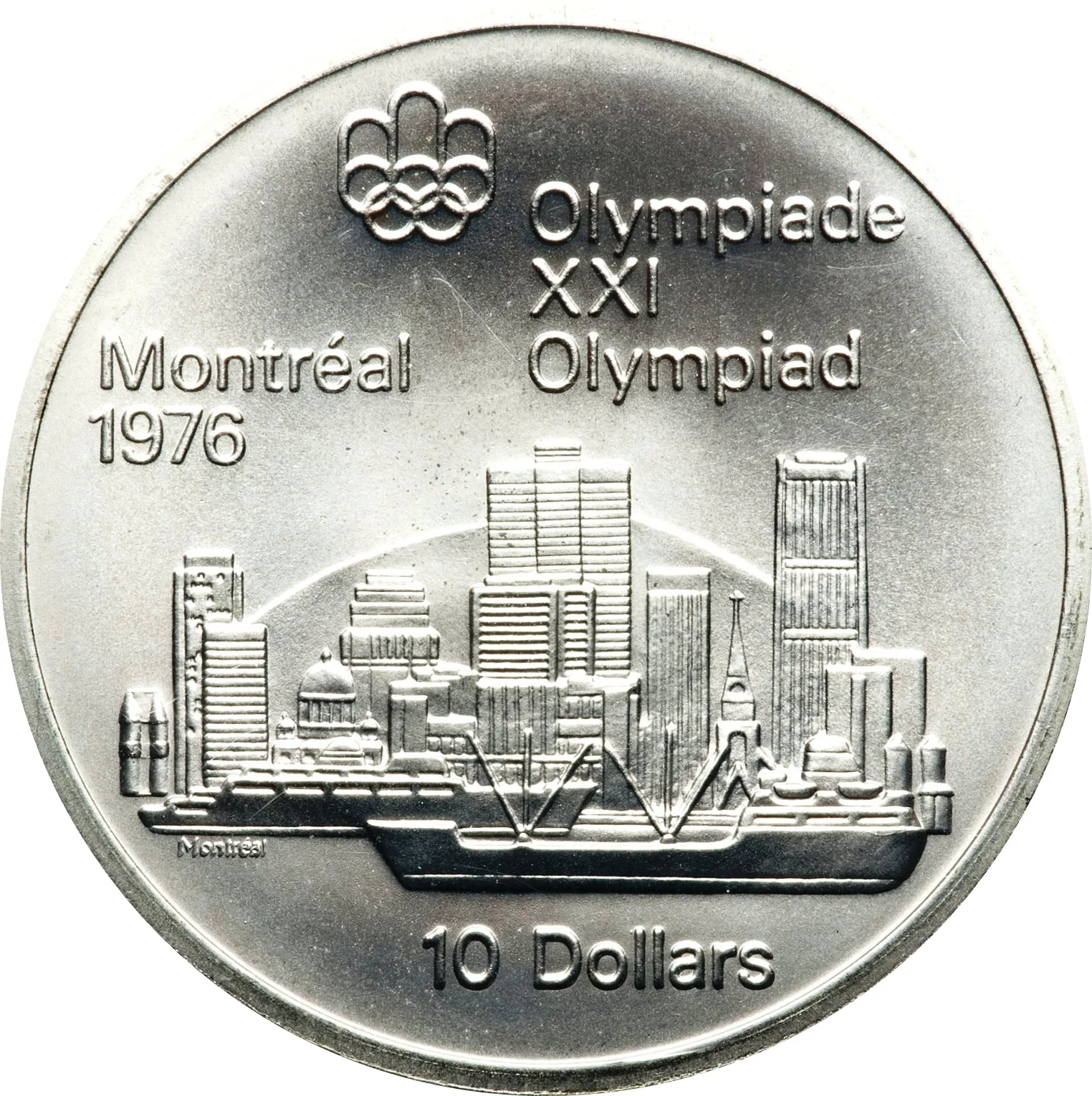
Reverse
Description:
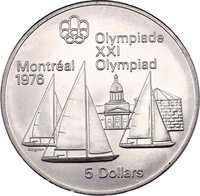
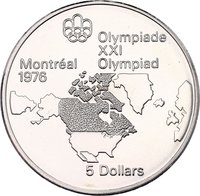
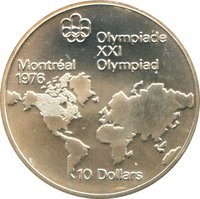
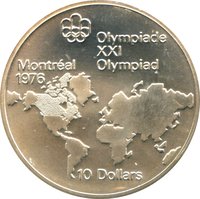
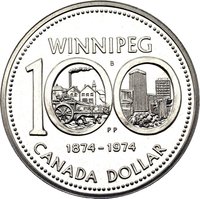
Montreal skyline with label.
Inscription:
Olympiade
XXI
Olympiad
Montréal
1976
Montréal
10 Dollars
XXI
Olympiad
Montréal
1976
Montréal
10 Dollars
Translation:
Twenty-First Olympiad
Montreal 1976
Montreal
10 Dollars
Montreal 1976
Montreal
10 Dollars
Script: Latin
Engraver: Ago Aarand
Designer: Georges Huel
Edge
Reeded
Categories
| Sport> Summer Olympic Games |
| Geography> Town |
| Transportation> Watercraft |
Mints
| Name | Mark |
|---|---|
| Royal Canadian Mint of Ottawa | — |
Mintings
| Year | Mint Mark | Mintage | Quality | Collection |
|---|---|---|---|---|
| 1973 | — | 165,203 | Proof | |
| 1973 | — | 543,098 |
Historical background
In 1973, Canada's currency situation was defined by a pivotal shift away from the Bretton Woods system and the establishment of a new, more flexible monetary framework. The previous fixed exchange rate regime, which had pegged the Canadian dollar to the U.S. dollar, was abandoned in 1970, making Canada the first major nation to adopt a floating currency in the post-war era. By 1973, this new system was being tested, with the Canadian dollar experiencing significant volatility and a notable appreciation, driven in part by strong global demand for Canada's natural resources, particularly energy and grains.
This period of a "strong loonie" presented a complex economic challenge. While the appreciating currency helped curb imported inflation—a serious global concern following the 1973 oil crisis—it simultaneously hurt the critical manufacturing and export sectors, especially in Central Canada. Industries like automobiles and machinery faced stiffening competition as their goods became more expensive for foreign buyers. The Bank of Canada, under Governor Gerald Bouey, was thus tasked with a delicate balancing act: managing domestic inflation without resorting to direct currency intervention, while also mitigating the negative impacts on trade-exposed industries.
Ultimately, 1973 solidified Canada's commitment to a market-determined exchange rate, a policy stance that has endured. The experience of that year underscored the advantages of monetary policy independence, allowing interest rates to be set for domestic needs rather than to defend a specific parity. However, it also highlighted the inherent vulnerabilities of a resource-driven economy within a floating regime, where external commodity shocks could lead to sharp currency movements with mixed consequences across different sectors of the economy. This established the enduring dynamic where the Canadian dollar's value is closely tied to global commodity prices, particularly oil.
This period of a "strong loonie" presented a complex economic challenge. While the appreciating currency helped curb imported inflation—a serious global concern following the 1973 oil crisis—it simultaneously hurt the critical manufacturing and export sectors, especially in Central Canada. Industries like automobiles and machinery faced stiffening competition as their goods became more expensive for foreign buyers. The Bank of Canada, under Governor Gerald Bouey, was thus tasked with a delicate balancing act: managing domestic inflation without resorting to direct currency intervention, while also mitigating the negative impacts on trade-exposed industries.
Ultimately, 1973 solidified Canada's commitment to a market-determined exchange rate, a policy stance that has endured. The experience of that year underscored the advantages of monetary policy independence, allowing interest rates to be set for domestic needs rather than to defend a specific parity. However, it also highlighted the inherent vulnerabilities of a resource-driven economy within a floating regime, where external commodity shocks could lead to sharp currency movements with mixed consequences across different sectors of the economy. This established the enduring dynamic where the Canadian dollar's value is closely tied to global commodity prices, particularly oil.
🌱 Common