

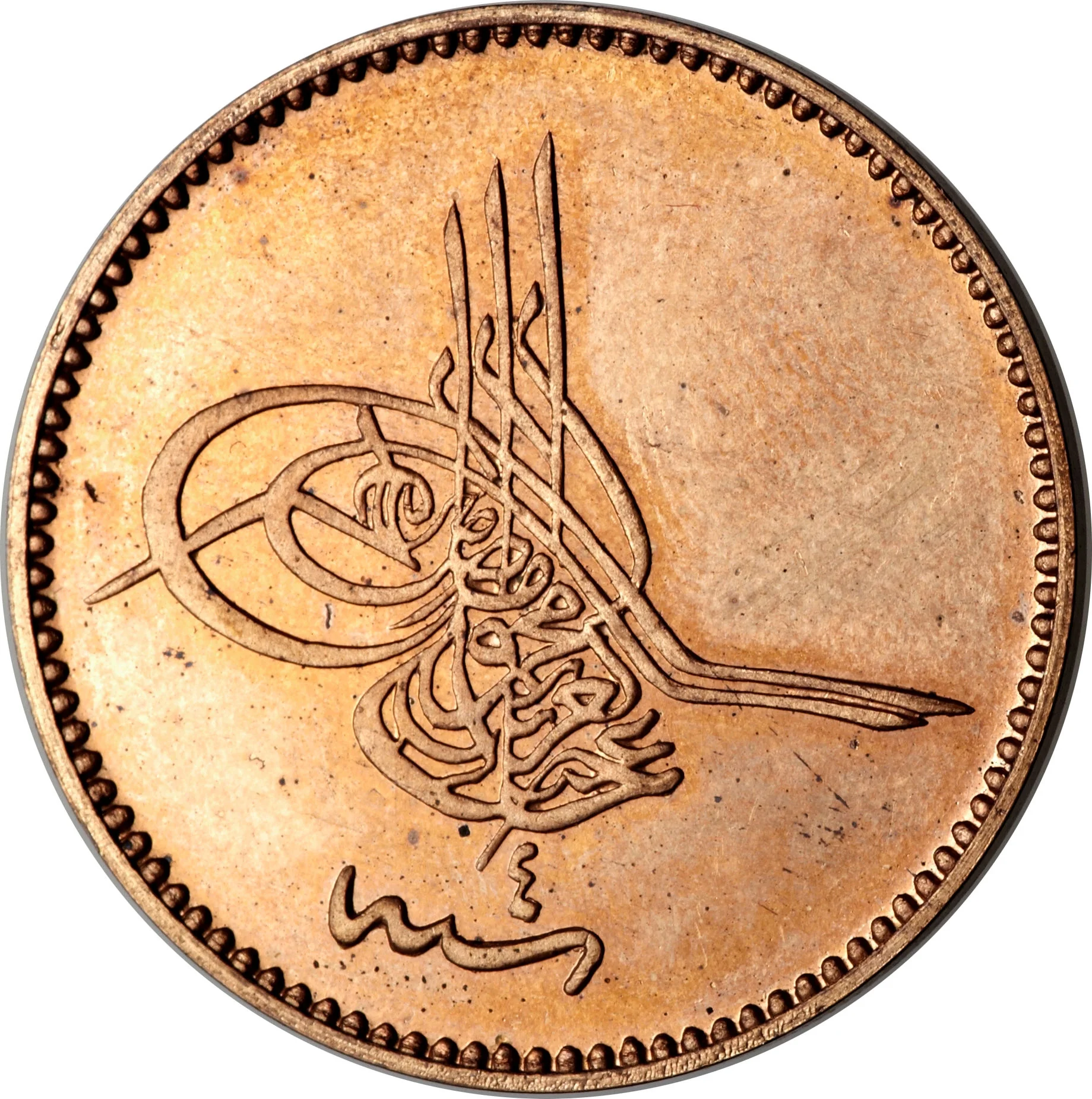
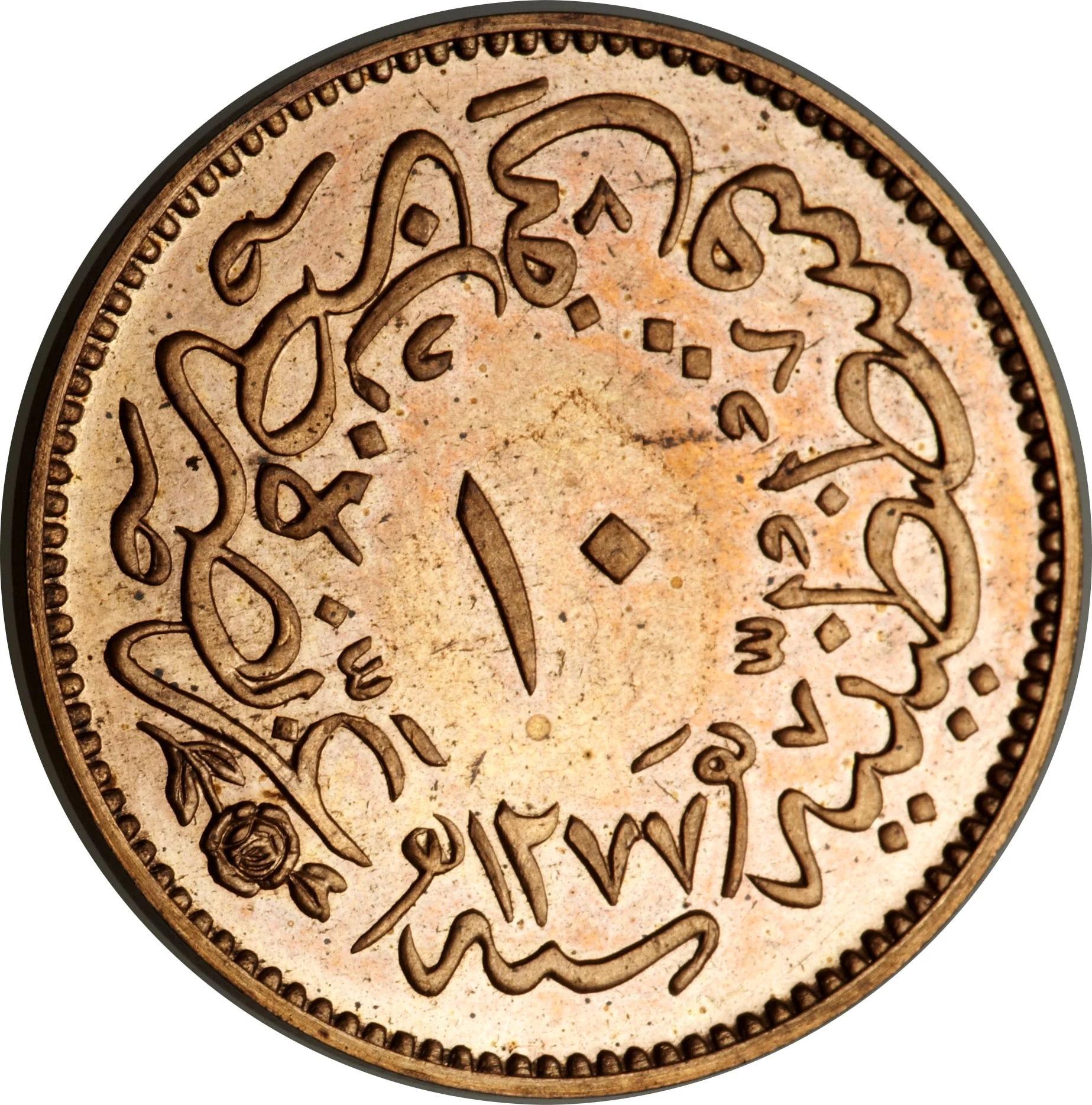
10 para – Ottoman Empire
Add to wishlist
Turkey
Context
Year: 1864
Islamic (Hijri) Year:: 1277
Country: Turkey
Issuer: Ottoman Empire
Ruler: Abdülaziz
Currency:
(1844—1923)
Demonetized: Yes
Total mintage: 8,000,000
Material
References
KM: #
Numista: #22605
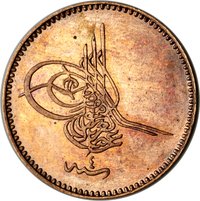
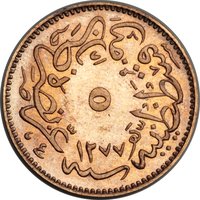
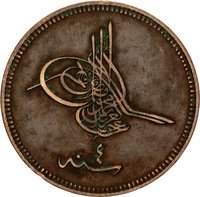
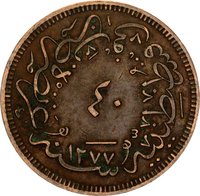
Reverse
Edge
Mints
| Name | Mark |
|---|---|
| Constantinople | — |
Mintings
| Year | Mint Mark | Mintage | Quality | Collection |
|---|---|---|---|---|
| 1864 | — | 8,000,000 | ||
| 1864 | — | — | Proof |
Historical background
By 1864, the Ottoman Empire's currency system was in a state of profound crisis and transition. The empire operated on a bimetallic standard, but chronic state deficits, foreign debt, and the widespread circulation of a debased silver coinage known as the kuruş had caused severe inflation and a collapse in public confidence. The situation was exacerbated by the circulation of a multitude of foreign gold coins (like British sovereigns and French francs) and various local and historical issues, creating a chaotic and inefficient monetary environment that hampered both domestic trade and international commerce.
In response, the state was in the early stages of a radical reform, spearheaded by the Ottoman Imperial Bank (established in 1863). The pivotal reform of this period was the introduction of a new gold-based currency, the Ottoman Lira (altın). Authorized in 1844 but only gaining structural support in the 1860s, the lira was intended to stabilize the economy and assert imperial sovereignty. The year 1864 saw the government taking concrete steps to manage this transition, including efforts to recall old, debased silver coins and mint new, standardized ones to serve as fractional currency (kuruş and para) subordinate to the gold lira.
This monetary reform was inextricably linked to the Empire's integration into the global capitalist system and its growing financial dependence on European powers. The Ottoman Imperial Bank, while holding the state account, was a Franco-British entity, underscoring how the currency restructuring was driven by the need to meet foreign debt obligations and restore credibility with European creditors. Thus, the 1864 currency situation encapsulates a pivotal moment: an ancient empire struggling to modernize its finances from within, while simultaneously becoming increasingly bound to the economic and political demands of external powers.
In response, the state was in the early stages of a radical reform, spearheaded by the Ottoman Imperial Bank (established in 1863). The pivotal reform of this period was the introduction of a new gold-based currency, the Ottoman Lira (altın). Authorized in 1844 but only gaining structural support in the 1860s, the lira was intended to stabilize the economy and assert imperial sovereignty. The year 1864 saw the government taking concrete steps to manage this transition, including efforts to recall old, debased silver coins and mint new, standardized ones to serve as fractional currency (kuruş and para) subordinate to the gold lira.
This monetary reform was inextricably linked to the Empire's integration into the global capitalist system and its growing financial dependence on European powers. The Ottoman Imperial Bank, while holding the state account, was a Franco-British entity, underscoring how the currency restructuring was driven by the need to meet foreign debt obligations and restore credibility with European creditors. Thus, the 1864 currency situation encapsulates a pivotal moment: an ancient empire struggling to modernize its finances from within, while simultaneously becoming increasingly bound to the economic and political demands of external powers.
🌱 Common