

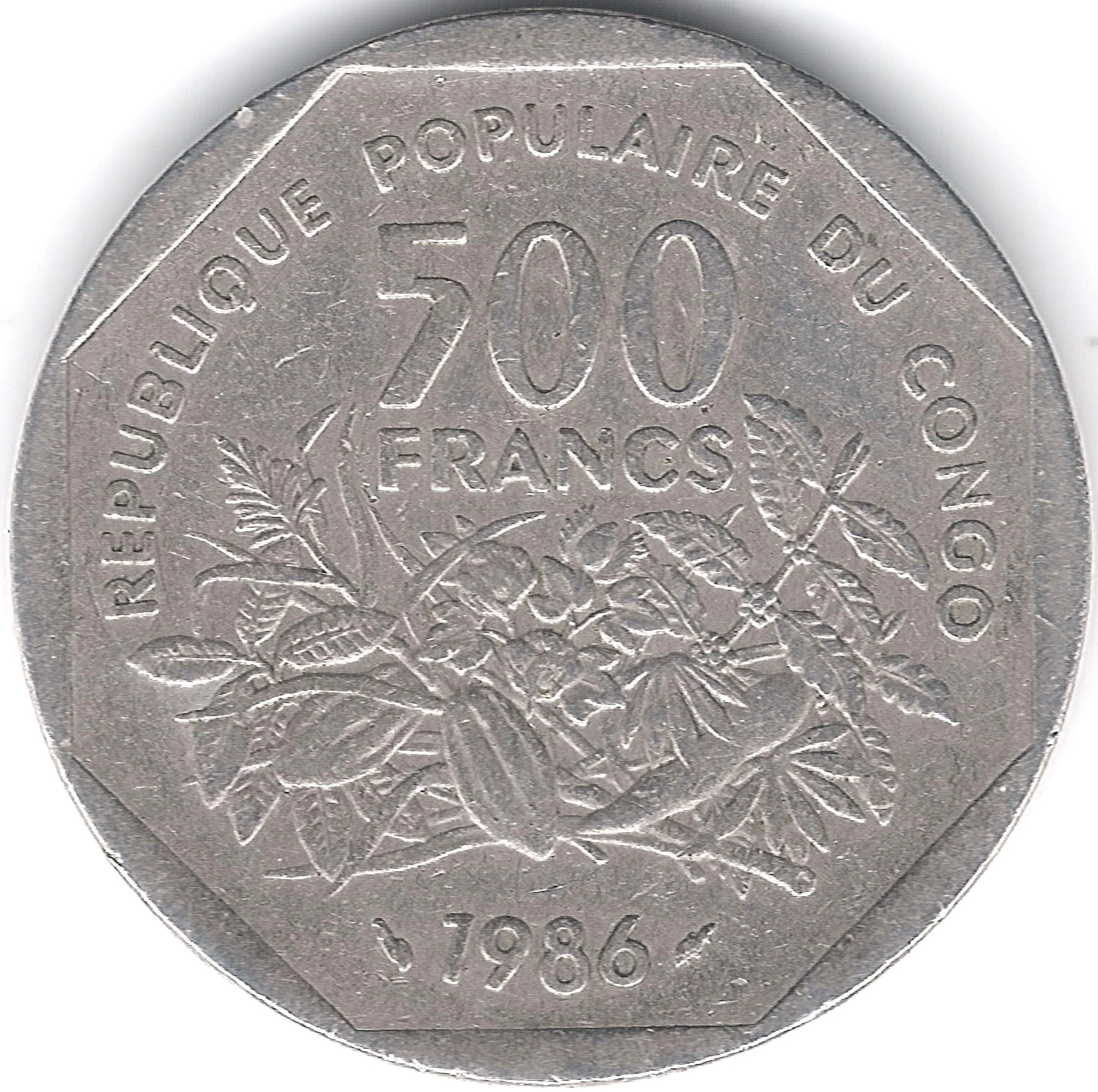
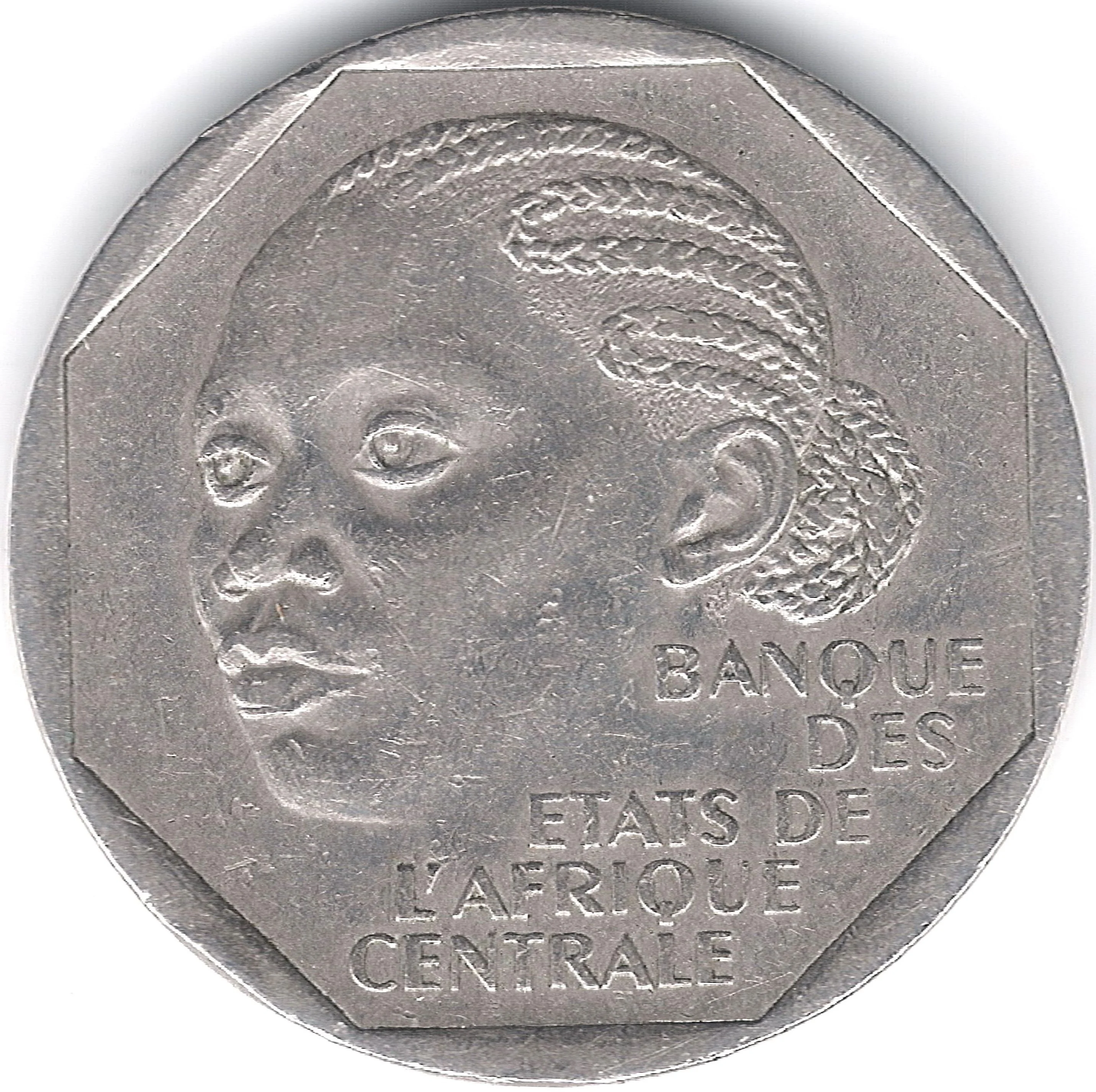
500 francs cfa – Republic of the Congo
Add to wishlist
Context
Years: 1985–1986
Issuer: Republic of the Congo
Period:
(1969—1992)
Currency:
(since 1973)
Total mintage: 700,000
Material
Diameter: 30 mm
Weight: 10.95 g
Thickness: 2 mm
Shape: Round
Composition: Copper-nickel
Technique: Milled
Alignment: Medal alignment
flip
References
KM: #
Numista: #10181
Value
Exchange value: 500 XAF
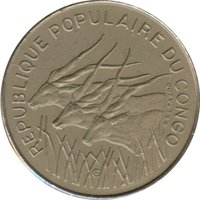
Obverse
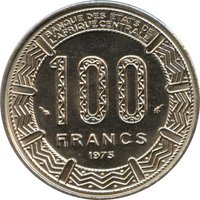
Reverse
Edge
Plain
Mints
| Name | Mark |
|---|---|
| Monnaie de Paris | — |
Mintings
| Year | Mint Mark | Mintage | Quality | Collection |
|---|---|---|---|---|
| 1985 | — | 200,000 | ||
| 1986 | — | 500,000 |
Historical background
In 1985, the Republic of the Congo operated under a centrally planned economy heavily reliant on its oil sector, which accounted for the vast majority of its export earnings and government revenue. The national currency was the CFA franc (XAF), a currency shared within the Communauté Financière Africaine (African Financial Community) and pegged at a fixed rate to the French franc. This arrangement, guaranteed by the French Treasury, provided significant monetary stability and low inflation compared to many neighboring countries. The fixed peg (50 CFA francs = 1 French franc) facilitated trade with France and other partners, but also meant Congo’s monetary policy was effectively set by France, limiting autonomous tools to manage its economy.
Despite this external stability, the country faced mounting macroeconomic challenges. A sharp decline in global oil prices in the mid-1980s, following the boom of the late 1970s, severely strained public finances. The Congolese government, accustomed to high revenues, had embarked on ambitious state-led industrialization and infrastructure projects, accumulating substantial external debt. By 1985, the oil price shock exposed the fragility of this model, leading to growing budget deficits, a rising debt service burden, and a depletion of foreign exchange reserves. The economy began to contract, moving into a period later termed the "African Debt Crisis."
Consequently, while the currency itself was stable due to its French backing, the underlying economic situation was deteriorating rapidly. The fixed exchange rate, combined with falling export income, made Congolese non-oil exports less competitive and contributed to a reliance on imports. The growing imbalance between the formal stability of the CFA franc and the country's worsening fiscal position created pressure that would eventually force the government to seek structural adjustment programs from the International Monetary Fund and the World Bank by the end of the decade, marking the beginning of a long period of economic austerity and reform.
Despite this external stability, the country faced mounting macroeconomic challenges. A sharp decline in global oil prices in the mid-1980s, following the boom of the late 1970s, severely strained public finances. The Congolese government, accustomed to high revenues, had embarked on ambitious state-led industrialization and infrastructure projects, accumulating substantial external debt. By 1985, the oil price shock exposed the fragility of this model, leading to growing budget deficits, a rising debt service burden, and a depletion of foreign exchange reserves. The economy began to contract, moving into a period later termed the "African Debt Crisis."
Consequently, while the currency itself was stable due to its French backing, the underlying economic situation was deteriorating rapidly. The fixed exchange rate, combined with falling export income, made Congolese non-oil exports less competitive and contributed to a reliance on imports. The growing imbalance between the formal stability of the CFA franc and the country's worsening fiscal position created pressure that would eventually force the government to seek structural adjustment programs from the International Monetary Fund and the World Bank by the end of the decade, marking the beginning of a long period of economic austerity and reform.
🌟 Uncommon