In 2006, the Grand Duchy of Luxembourg was a fully integrated member of the Eurozone, having adopted the euro as its sole legal tender on 1 January 1999 (for electronic transactions) and seeing the introduction of euro banknotes and coins in 2002. The nation's pre-euro currency, the Luxembourg franc, had been permanently fixed at a rate of 40.3399 francs to one euro and could still be exchanged indefinitely at the Central Bank of Luxembourg, though it had completely disappeared from daily circulation. As such, the domestic "currency situation" was one of stability and alignment with the monetary policy set by the European Central Bank (ECB), which Luxembourg helped shape through its membership in the Eurosystem.
Luxembourg's financial sector, the cornerstone of its economy, thrived within this single currency framework. The euro eliminated exchange rate risks and transaction costs with its major trading partners, further solidifying Luxembourg's position as a premier international banking and investment fund hub. The country benefited from the credibility of the euro's low-inflation regime, which supported investor confidence. However, as a small, open economy, Luxembourg was also subject to the one-size-fits-all ECB interest rate policy, which was not always tailored to its specific economic conditions, which often ran hotter than the Eurozone average.
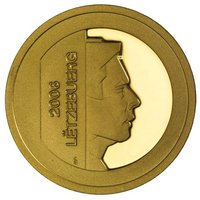
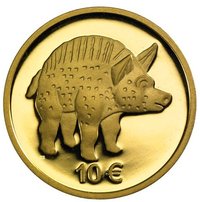
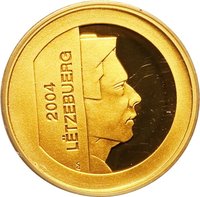
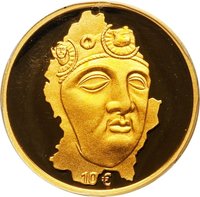
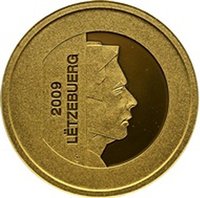
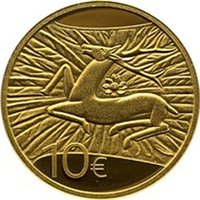
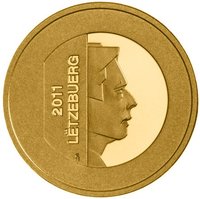
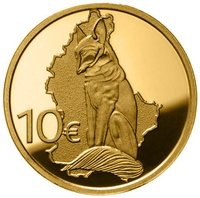
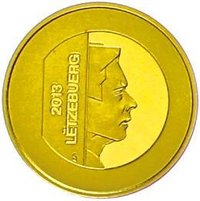
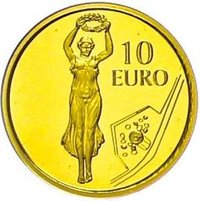
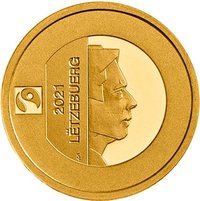
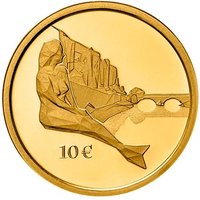
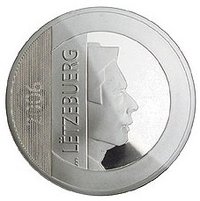
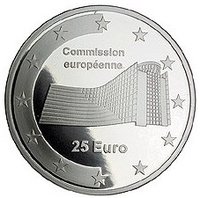
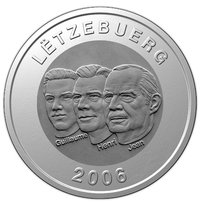
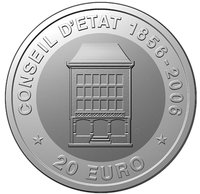
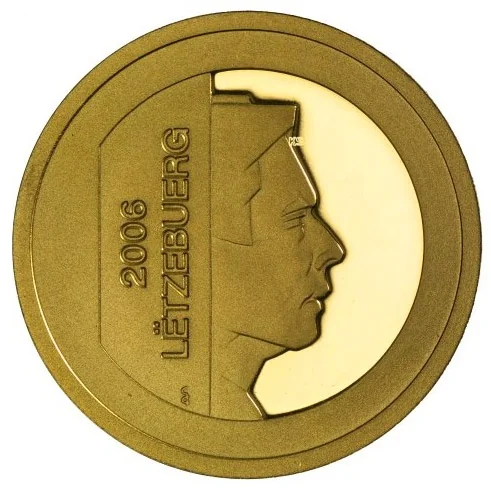
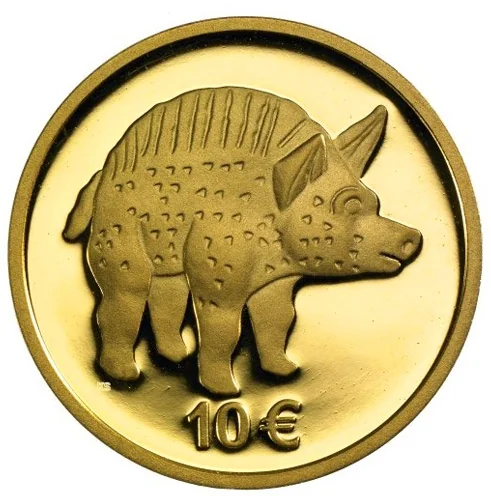
Beyond the euro, 2006 also saw Luxembourg engaging with unique numismatic traditions. The Central Bank issued commemorative euro coins, including a popular €2 commemorative coin celebrating the 25th anniversary of Grand Duke Guillaume's marriage, which was legal tender across the entire Eurozone. Furthermore, Luxembourg maintained its historical right, as a Grand Duchy, to issue gold and silver commemorative coins, known as "Luxembourgish Talers." These were minted in limited quantities, had high face values in francs (though not intended for circulation), and were prized by collectors, representing a symbolic link to the nation's pre-euro monetary heritage within the dominant euro context.