

200 réis – Brazil
Add to wishlist
Brazil
Context
Years: 1936–1938
Issuer: Brazil
Period:
(1889—1967)
Currency:
(1799—1942)
Demonetized: Yes
Total mintage: 15,321,000
Material
Diameter: 23 mm
Weight: 6 g
Thickness: 1.8 mm
Shape: Round
Composition: Copper-nickel
Technique: Milled
Alignment: Medal alignment
flip
References
KM: #
Numista: #2245
Obverse
Description:
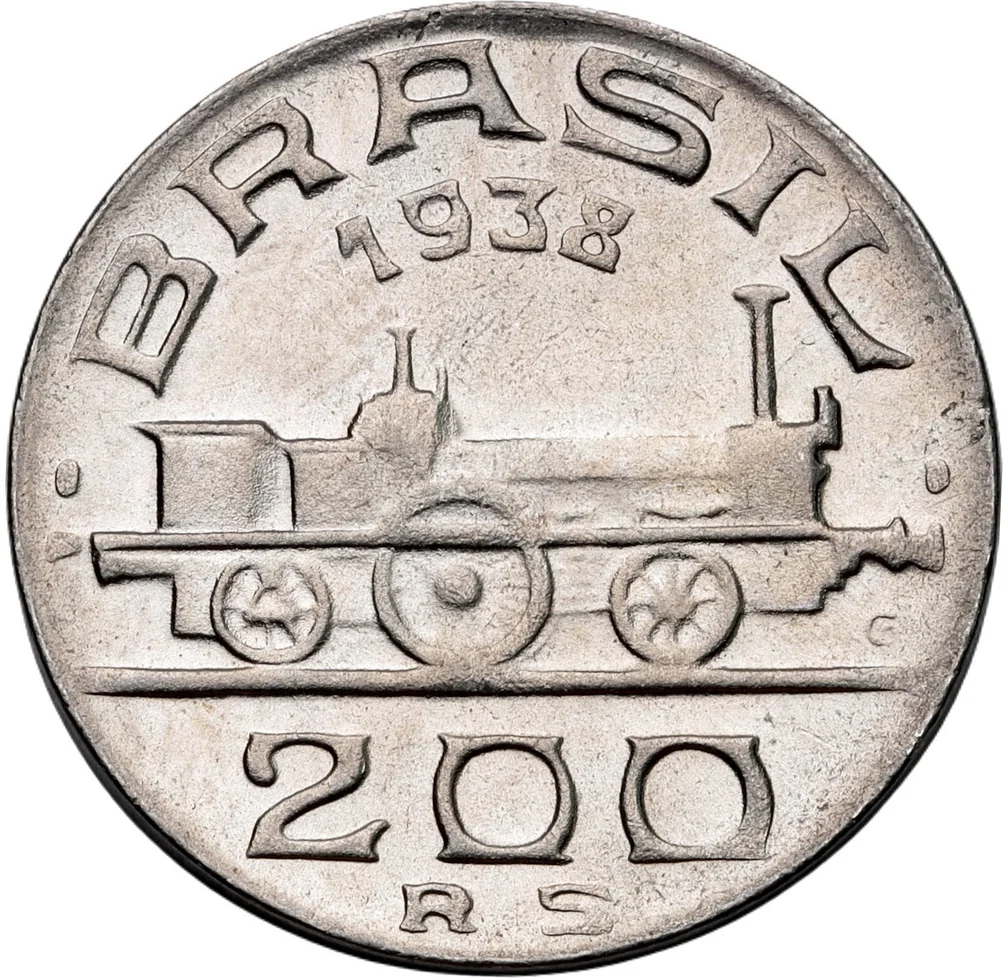
Steam engine above date, denomination below.
Inscription:
BRASIL
1937
CL
200
RS
1937
CL
200
RS
Translation:
BRAZIL
1937
BY FAULT
200
REIS
1937
BY FAULT
200
REIS
Script: Latin
Languages: Portuguese, Latin
Engraver: Leopoldo Campos
Reverse
Description:
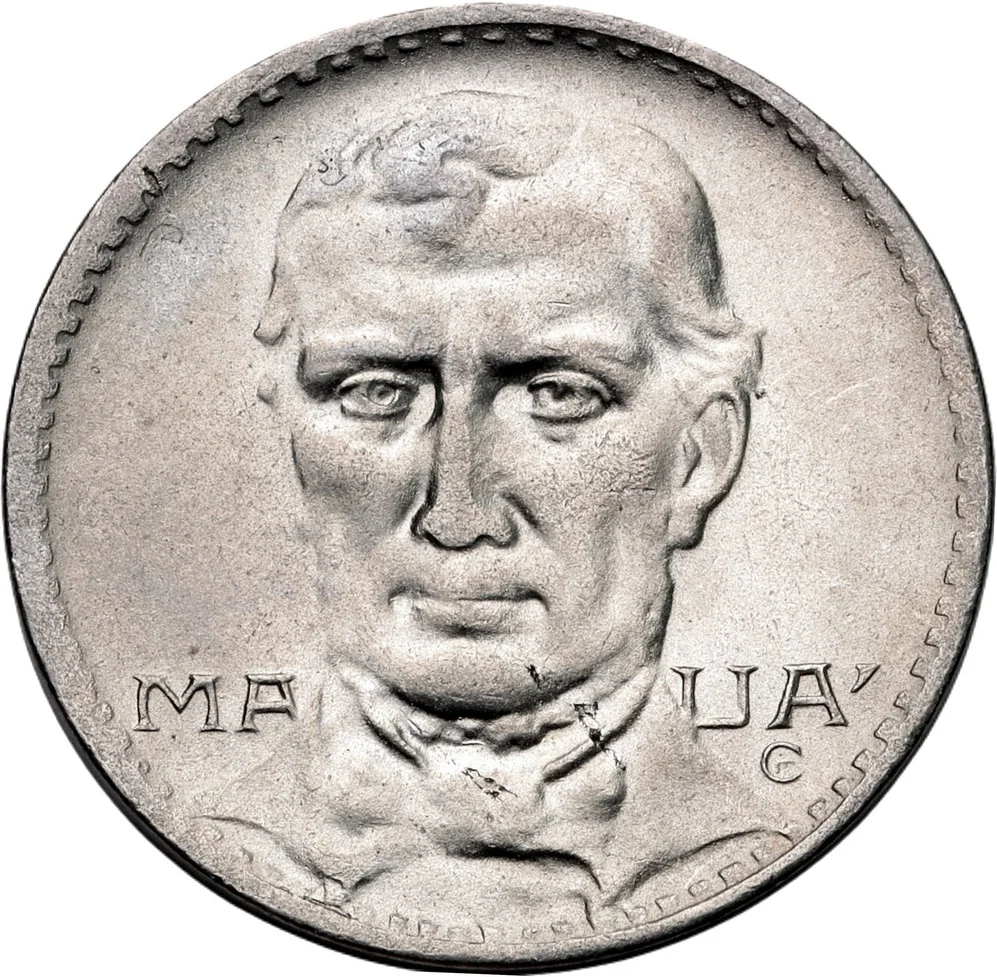
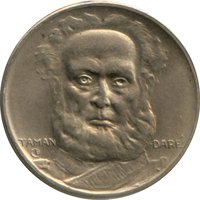
Portrait of Irineu Evangelista de Souza, the Baron and Viscount of Mauá (1813–1889), a leading Brazilian industrialist, banker, and politician.
Inscription:
MA UA'
CL
CL
Script: Latin
Engraver: Leopoldo Campos
Edge
Plain
Categories
| Person> Politician |
| Transportation> Train |
Mintings
| Year | Mint Mark | Mintage | Quality | Collection |
|---|---|---|---|---|
| 1936 | — | 3,028,500 | ||
| 1937 | — | 6,505,500 | ||
| 1938 | — | 5,787,000 |
Historical background
In 1936, Brazil's currency situation was characterized by the dominance of the mil-réis and the lingering effects of the global economic turmoil of the 1920s and 1930s. The country had abandoned the gold standard in 1929, and the Great Depression had severely impacted its primary export, coffee, leading to a balance of payments crisis and a depletion of foreign reserves. President Getúlio Vargas, who had come to power in 1930, responded with strong interventionist policies, including exchange controls and the centralization of foreign exchange transactions under the Bank of Brazil to prevent capital flight and stabilize the currency's value.
The period was one of a managed, devalued exchange rate. The government actively pegged the mil-réis to sterling and the U.S. dollar, but at a depreciated level to make Brazilian coffee and other exports more competitive on the world market. This policy, combined with import substitution industrialization efforts, aimed to reduce the economy's vulnerability to external shocks. However, it also created a complex system with multiple exchange rates for different types of transactions, leading to distortions and a burgeoning black market for foreign currency.
Ultimately, the currency regime of 1936 was a transitional phase. The pressures of managing the mil-réis, which required large denominations (e.g., 1,000, 5,000, and 10,000 mil-réis notes) for simple transactions, highlighted the need for structural reform. This set the stage for the major monetary change that would follow in 1942: the creation of the cruzeiro under Vargas's Estado Novo, which introduced a decimal-based currency to simplify the system and symbolically mark a new era of national economic management.
The period was one of a managed, devalued exchange rate. The government actively pegged the mil-réis to sterling and the U.S. dollar, but at a depreciated level to make Brazilian coffee and other exports more competitive on the world market. This policy, combined with import substitution industrialization efforts, aimed to reduce the economy's vulnerability to external shocks. However, it also created a complex system with multiple exchange rates for different types of transactions, leading to distortions and a burgeoning black market for foreign currency.
Ultimately, the currency regime of 1936 was a transitional phase. The pressures of managing the mil-réis, which required large denominations (e.g., 1,000, 5,000, and 10,000 mil-réis notes) for simple transactions, highlighted the need for structural reform. This set the stage for the major monetary change that would follow in 1942: the creation of the cruzeiro under Vargas's Estado Novo, which introduced a decimal-based currency to simplify the system and symbolically mark a new era of national economic management.
Series: Illustrious Brazilian Series
🌱 Very Common