

2 euro – Greece
Add to wishlist
Circulating commemorative coins
Commemoration: XIIIth Special Olympics
Greece
Context
Material
References
KM: #
Numista: #22333
Value
Exchange value: 2 EUR
Inflation-adjusted value: 2.38 EUR
Obverse
Description:
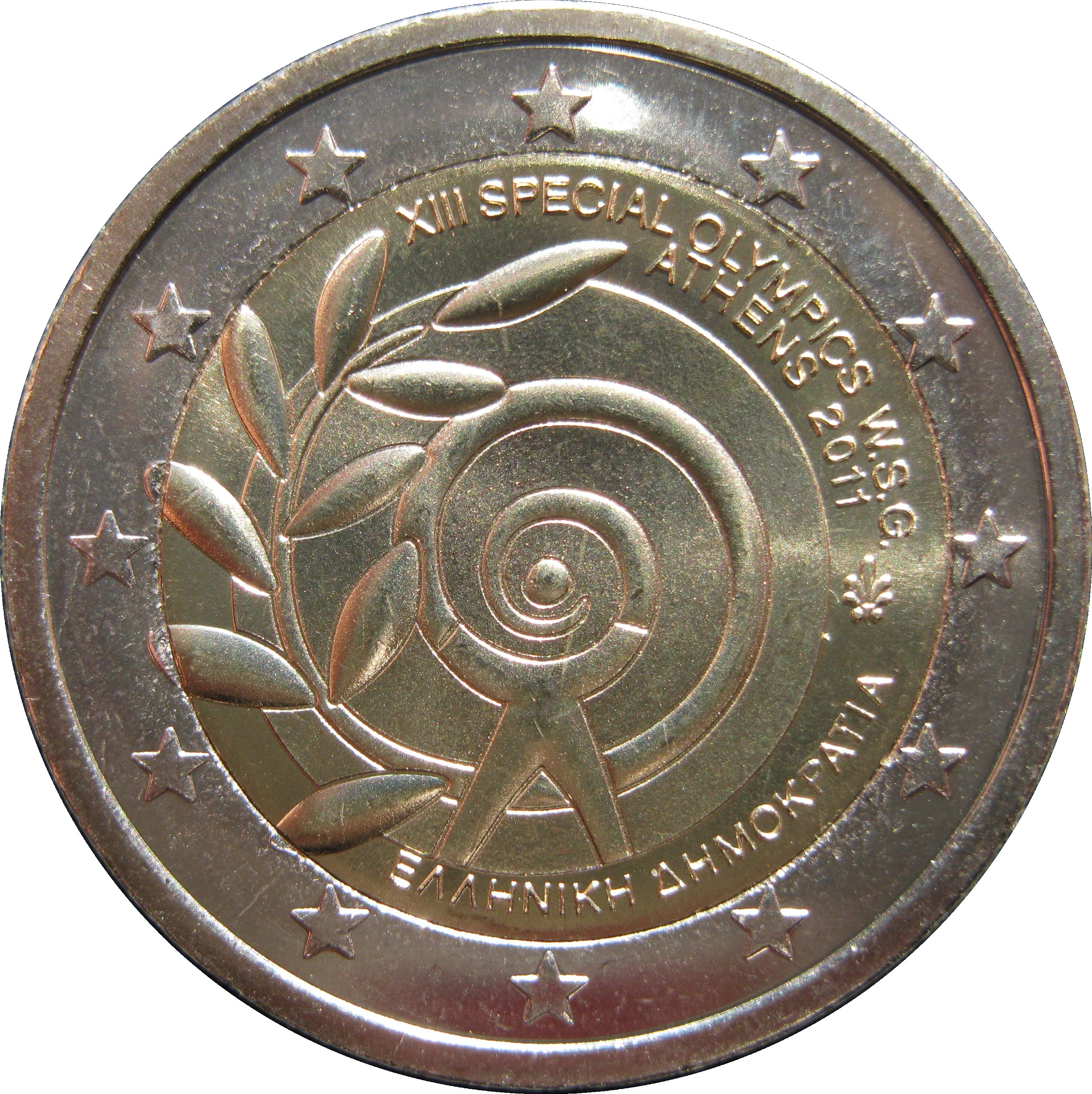
The inner part features the Games' emblem: a radiant sun symbolizing athletes' excellence, shown by an olive branch, and power, represented by a spiral from the sun's center. Around the right edge are the inscriptions "XIII SPECIAL OLYMPICS W.S.G. ATHENS 2011" and "ΕΛΛΗΝΙΚΗ ΔΗΜΟΚΡΑΤΙΑ", separated by the mintmark. The outer ring displays the 12 stars of the European Union.
Inscription:
XIII SPECIAL OLYPICS GAMES W.S.G. ATHENS 2011
ΕΛΛΗΝΙΚΗ ΔΗΜΟΚΡΑΤΙΑ
ΕΛΛΗΝΙΚΗ ΔΗΜΟΚΡΑΤΙΑ
Translation:
HELLENIC REPUBLIC XIII SPECIAL OLYMPICS WORLD SUMMER GAMES ATHENS 2011
Engraver: Geórgios Stamatópoulos
Reverse
Edge
Categories
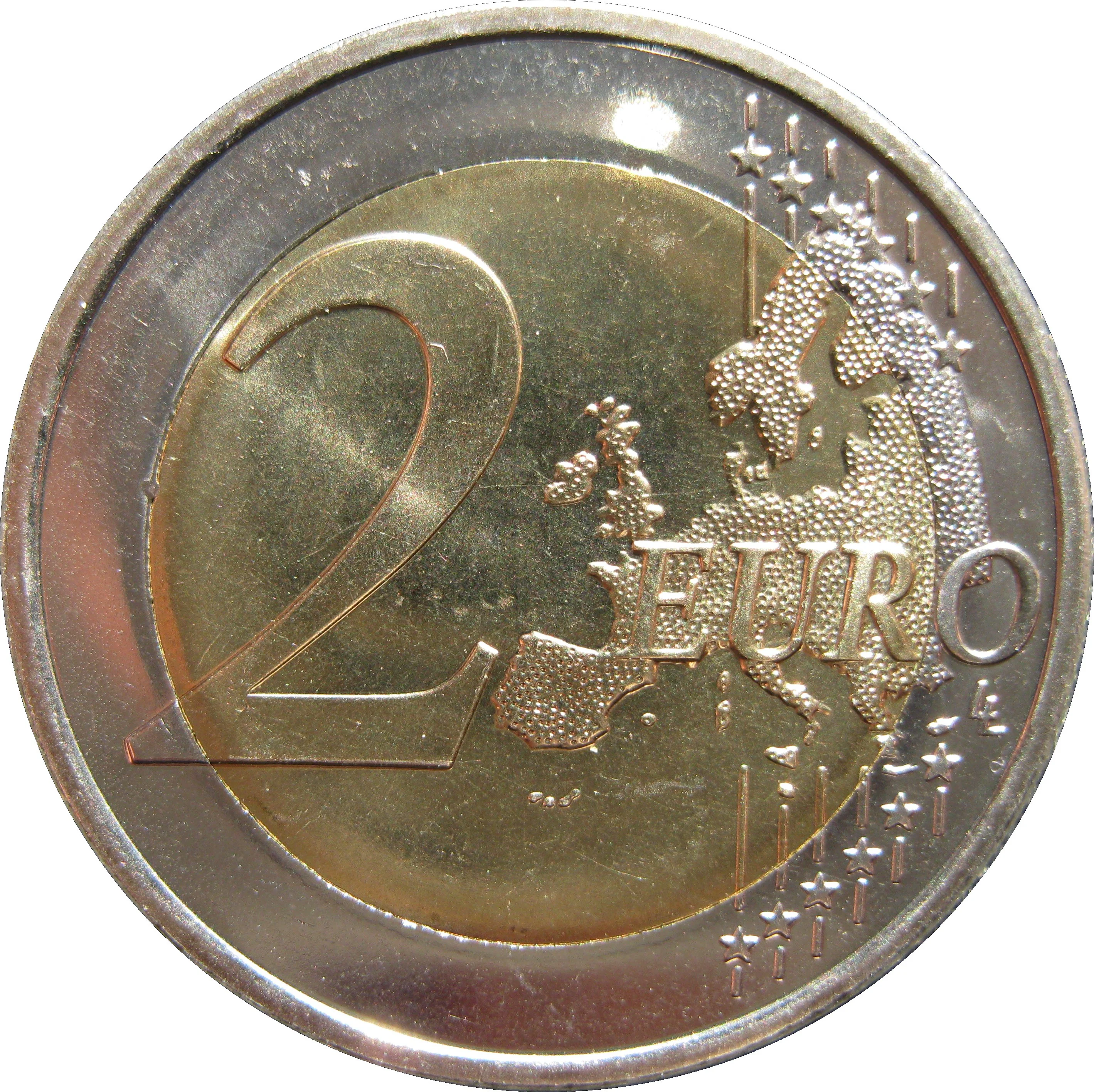
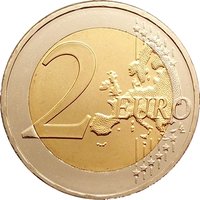
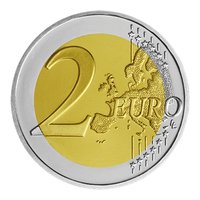
| Map |
| Sport> Summer Olympic Games |
| Symbol> Wreath |
Mints
| Name | Mark |
|---|---|
| National Mint of the Bank of Greece | — |
Mintings
| Year | Mint Mark | Mintage | Quality | Collection |
|---|---|---|---|---|
| 2011 | — | 995,000 | ||
| 2011 | — | 5,000 | BU |
Historical background
The Greek currency crisis of 2011 was the acute and perilous peak of a sovereign debt crisis that had been building since 2009. Upon revealing that its budget deficit was far larger than previously reported, Greece lost market confidence and found itself unable to refinance its massive public debt. In 2010, it accepted a €110 billion bailout from the European Commission, the European Central Bank (ECB), and the International Monetary Fund (IMF)—collectively known as the "Troika"—to avoid default. However, the attached conditions of severe austerity, including deep spending cuts and tax hikes, plunged the economy into a deep recession, worsening the debt-to-GDP ratio and setting the stage for the 2011 escalation.
By mid-2011, it became clear that the first bailout was insufficient, as Greece's economy contracted sharply and political instability grew. Financial markets drove Greek bond yields to unsustainable levels, effectively shutting the country out of international borrowing. Intense speculation swirled that Greece would be forced to default on its debts and potentially exit the Eurozone—a scenario dubbed "Grexit." This fear triggered contagion, spiking borrowing costs for other vulnerable Eurozone nations like Italy and Spain and threatening the stability of the entire single currency project.
The situation culminated in a pivotal EU summit in October 2011, where leaders negotiated a second bailout package worth €130 billion, coupled with a historic 50% "haircut" (write-down) on Greek debt held by private banks. This restructuring was the largest for a sovereign state in history. While the deal narrowly prevented a disorderly default and immediate Euro exit, it came at a tremendous social cost for Greeks, who faced years of deep depression-level unemployment and social upheaval, and it left the fundamental tensions within the Eurozone's structure unresolved.
By mid-2011, it became clear that the first bailout was insufficient, as Greece's economy contracted sharply and political instability grew. Financial markets drove Greek bond yields to unsustainable levels, effectively shutting the country out of international borrowing. Intense speculation swirled that Greece would be forced to default on its debts and potentially exit the Eurozone—a scenario dubbed "Grexit." This fear triggered contagion, spiking borrowing costs for other vulnerable Eurozone nations like Italy and Spain and threatening the stability of the entire single currency project.
The situation culminated in a pivotal EU summit in October 2011, where leaders negotiated a second bailout package worth €130 billion, coupled with a historic 50% "haircut" (write-down) on Greek debt held by private banks. This restructuring was the largest for a sovereign state in history. While the deal narrowly prevented a disorderly default and immediate Euro exit, it came at a tremendous social cost for Greeks, who faced years of deep depression-level unemployment and social upheaval, and it left the fundamental tensions within the Eurozone's structure unresolved.
Series: Greece 2 euro commemoratives
🌱 Very Common