

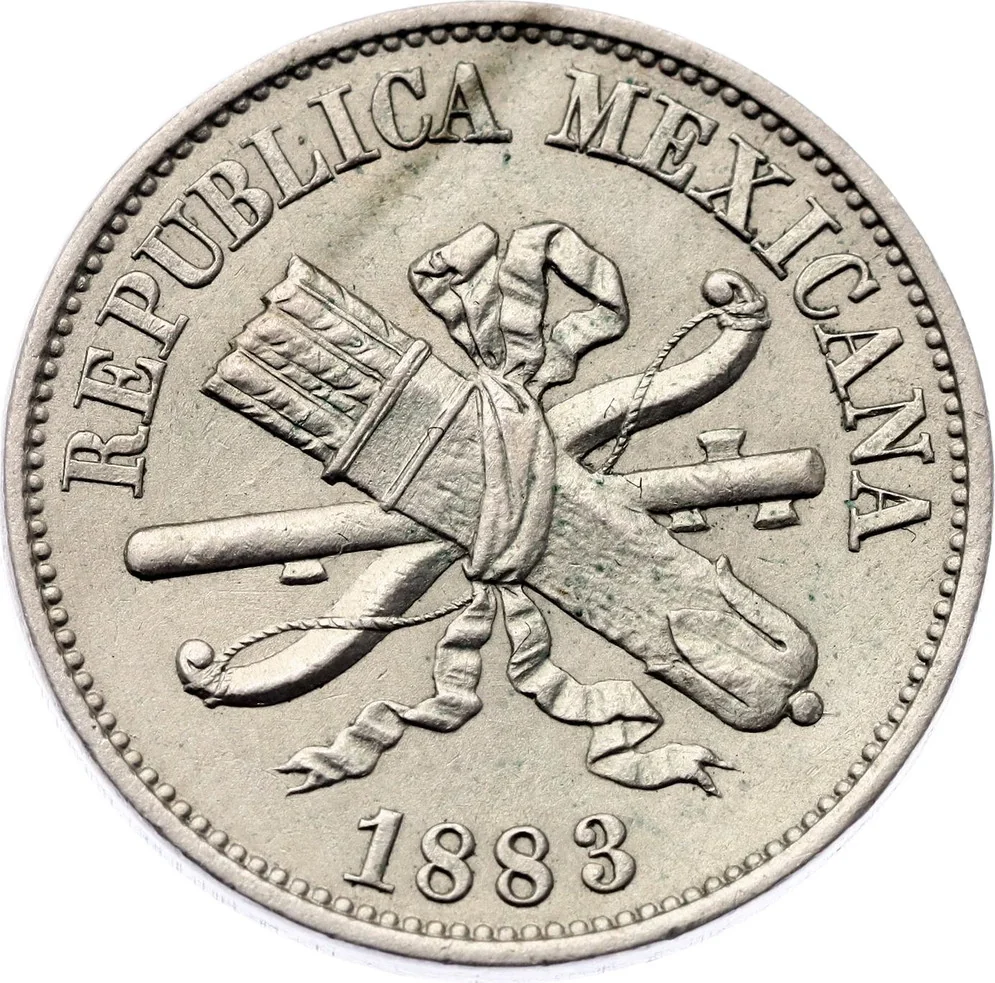
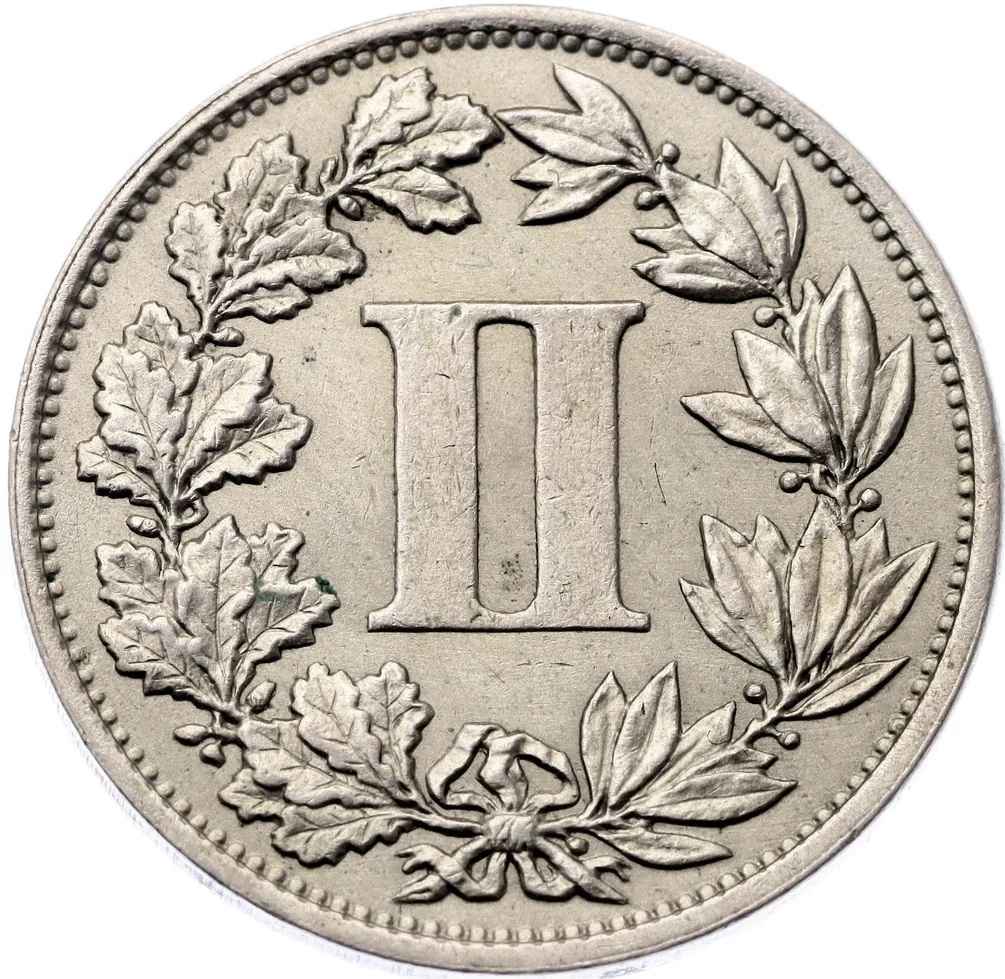
2 Centavos – Mexico
Mexico
Context
Years: 1882–1883
Issuer: Mexico 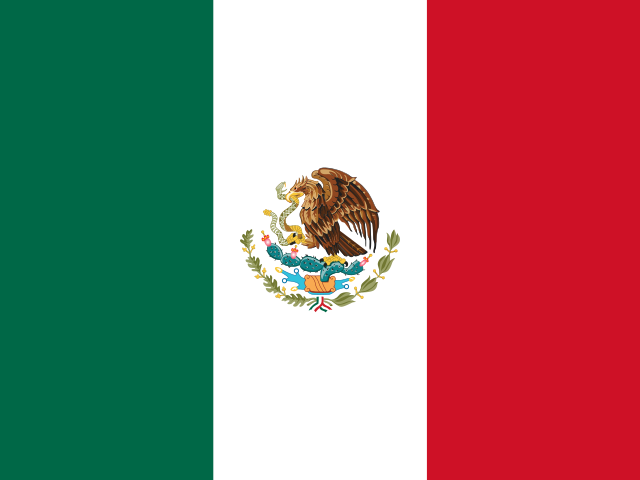
Period:
(1823—1905)
Currency:
(1863—1992)
Demonetization: 7 April 1884
Total mintage: 50,023,000
Material
Diameter: 17.5 mm
Weight: 3.2 g
Thickness: 1.5 mm
Shape: Round
Composition: Copper-nickel
Technique: Milled
Alignment: Coin alignment
flip
References
KM: #Click to copy to clipboard395
Numista: #22315
Value
Exchange value: 0.02 MXP
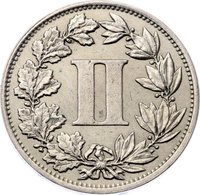
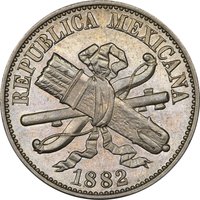
Obverse
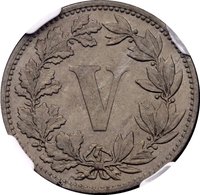
Reverse
Edge
Plain
Mintings
| Year | Mint Mark | Mintage | Quality | Collection |
|---|---|---|---|---|
| 1882 | — | — | ||
| 1883 | — | 50,023,000 |
Historical background
In 1882, Mexico's currency situation was characterized by profound instability and complexity, a legacy of prolonged political and economic turmoil. Following decades of war, foreign intervention, and internal conflict, the nation operated with a chaotic mix of metallic currencies. Both Mexican-minted silver pesos (the primary coin) and gold coins circulated alongside a vast array of foreign coins, particularly U.S. and French currency, leading to fluctuating exchange rates and commercial confusion. The government, under President Manuel González, faced severe fiscal deficits and a heavy burden of foreign debt, which undermined confidence in the monetary system and often forced the use of inconvenient and devalued copper centavos for everyday transactions.
The year is particularly notable as it marked a critical, though ultimately failed, attempt at reform with the Bank of Monte de Piedad's issuance of the first federally authorized paper money. These notes, known as billetes de moneda de curso forzoso (forced circulation currency), were an emergency measure to address a severe shortage of fractional silver coinage and to help the treasury meet its obligations. However, lacking public trust and not backed by specie reserves, these notes were widely rejected and quickly depreciated. This experiment underscored a deep-seated public aversion to fiat paper money, a sentiment rooted in the disastrous experience with paper currency during the war for independence and subsequent periods.
Consequently, by the end of 1882, the monetary landscape remained unresolved and precarious. The failed paper issue exacerbated distrust, reinforcing the population's strong preference for silver, the traditional backbone of the economy. This environment set the stage for the more comprehensive reforms that would follow under the Porfiriato, particularly the 1905 Monetary Law that would finally stabilize the currency by firmly pegging the silver peso to the gold standard. Thus, 1882 stands as a transitional year, highlighting the acute monetary challenges of the era and the difficult path toward a unified national currency.
The year is particularly notable as it marked a critical, though ultimately failed, attempt at reform with the Bank of Monte de Piedad's issuance of the first federally authorized paper money. These notes, known as billetes de moneda de curso forzoso (forced circulation currency), were an emergency measure to address a severe shortage of fractional silver coinage and to help the treasury meet its obligations. However, lacking public trust and not backed by specie reserves, these notes were widely rejected and quickly depreciated. This experiment underscored a deep-seated public aversion to fiat paper money, a sentiment rooted in the disastrous experience with paper currency during the war for independence and subsequent periods.
Consequently, by the end of 1882, the monetary landscape remained unresolved and precarious. The failed paper issue exacerbated distrust, reinforcing the population's strong preference for silver, the traditional backbone of the economy. This environment set the stage for the more comprehensive reforms that would follow under the Porfiriato, particularly the 1905 Monetary Law that would finally stabilize the currency by firmly pegging the silver peso to the gold standard. Thus, 1882 stands as a transitional year, highlighting the acute monetary challenges of the era and the difficult path toward a unified national currency.
🌱 Fairly Common