

2 pounds – United Kingdom
Add to wishlist
United Kingdom
Context
Years: 2016–2018
Issuer: United Kingdom
Ruler: Elizabeth II
Currency:
(since 1971)
Total mintage: 22,940
Material
Diameter: 38.61 mm
Weight: 31.21 g
Silver Weight:: 31.18 g
Shape: Round
Composition: 99.9% Silver
Standard: Silver ounce
Magnetic: No
Technique: Milled
Alignment: Medal alignment
flip

References
KM: #
Numista: #223062
Value
Exchange value: 2 GBP
Bullion value: $79.77
Inflation-adjusted value: 2.83 GBP
Obverse
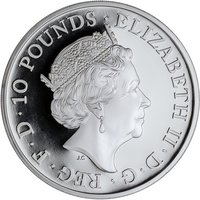
Description:
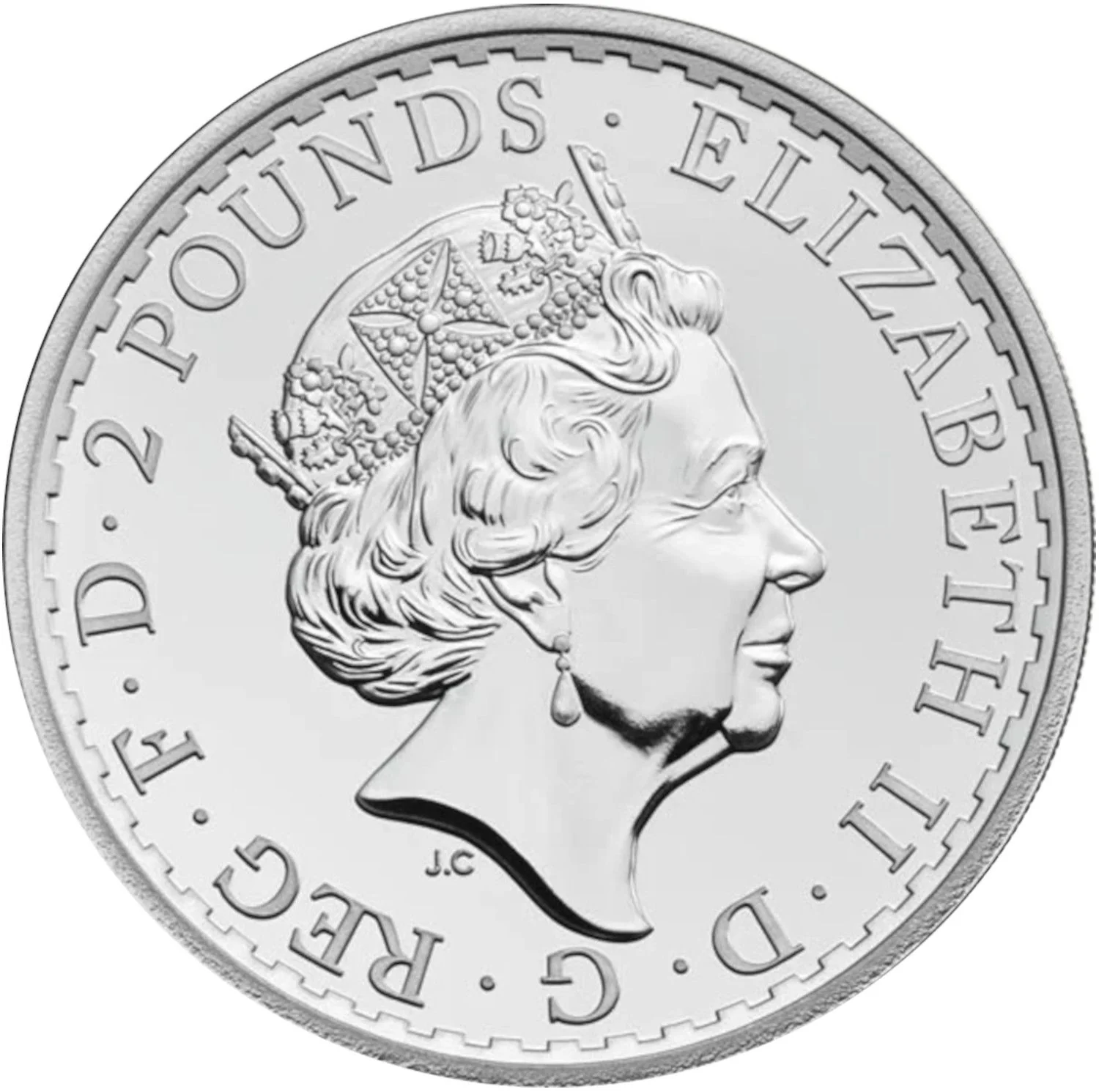
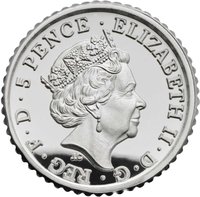
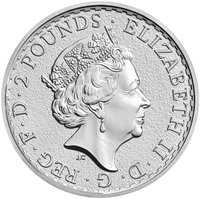
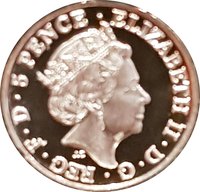
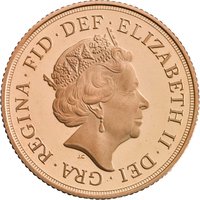
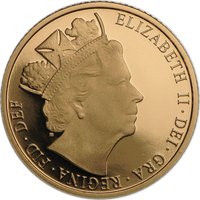
Fifth crowned portrait of Queen Elizabeth II facing right, wearing the George IV State Diadem, with plain fields.
Inscription:
ELIZABETH II·D·G·REG·F·D·2 POUNDS·
J.C
J.C
Translation:
Elizabeth II by the Grace of God Queen Defender of the Faith 2 Pounds
Script: Latin
Engraver: Jody Clark
Reverse
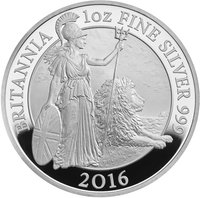
Description:
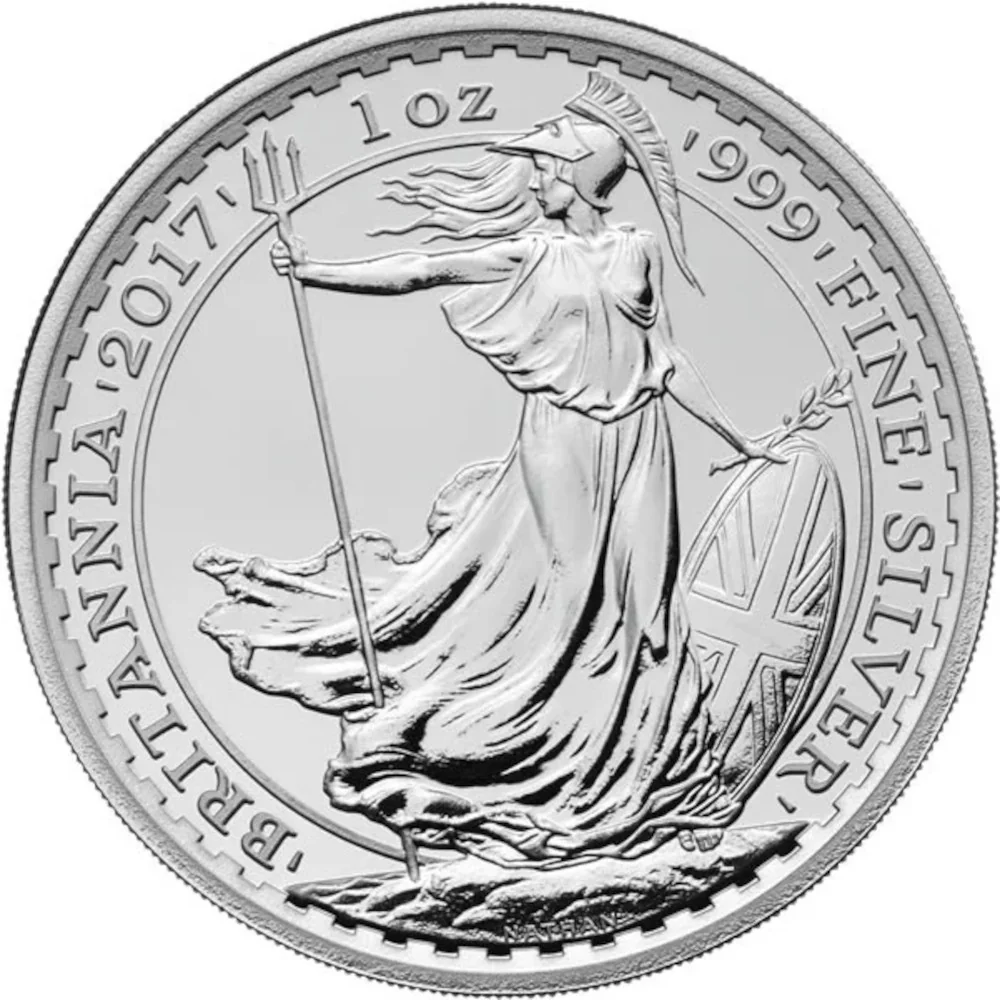
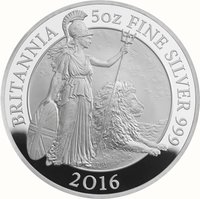
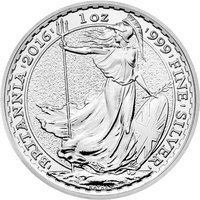
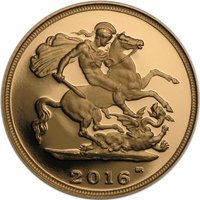
Britannia standing left, holding trident and a shield with Union flag, olive branch in left hand. Plain fields.
Inscription:
'BRITANNIA'2017' 1OZ '999'FINE'SILVER'
NATHAN
NATHAN
Script: Latin
Engraver: Philip Nathan
Edge
Reeded
Mints
| Name | Mark |
|---|---|
| Royal Mint | — |
Mintings
| Year | Mint Mark | Mintage | Quality | Collection |
|---|---|---|---|---|
| 2016 | — | 10,000 | BU | |
| 2017 | — | 10,000 | BU | |
| 2018 | — | 2,940 | BU |
Historical background
The United Kingdom's currency situation in 2016 was dominated by the political and economic shockwaves of the EU referendum on 23 June. In the months leading up to the vote, the pound sterling was relatively stable, trading around $1.45 against the US dollar, as markets anticipated a narrow victory for the "Remain" campaign. However, the unexpected result in favour of "Leave" triggered an immediate and severe market reaction. On 24 June, the pound experienced its largest one-day fall in history against the dollar since the era of free-floating exchange rates began, plummeting over 8% to a 31-year low below $1.33. This dramatic devaluation reflected acute investor anxiety over the UK's future trading relationships, access to the single market, and overall economic prospects outside the European Union.
Following the initial crash, sterling remained under intense pressure throughout the second half of the year, becoming highly sensitive to political developments and statements regarding the government's approach to the impending Brexit negotiations. In October, a "flash crash" saw the pound briefly tumble a further 6% against the dollar in Asian trading, highlighting its new-found volatility. By year-end, sterling had settled around 16% lower against the dollar and 12% lower against the euro compared to its pre-referendum levels. This sustained weakness had a dual impact: it increased the cost of imports, contributing to a rise in inflation that would materialise in 2017, but it also provided a temporary boost to the competitiveness of UK exports and the attractiveness of UK assets for foreign investors.
The Bank of England responded to the post-referendum uncertainty by implementing a significant monetary policy package in August. This included cutting the Bank Rate to a new historic low of 0.25%, expanding quantitative easing, and introducing a Term Funding Scheme to ensure the rate cut passed through to the real economy. Governor Mark Carney emphasised that the measures were intended to support confidence and cushion the expected economic slowdown, not as a direct response to the currency's fall. Thus, 2016 concluded with the pound in a fundamentally weaker position, establishing a new, lower trading range that reflected the market's repricing of the UK's long-term economic outlook in the face of an unprecedented and complex Brexit process.
Following the initial crash, sterling remained under intense pressure throughout the second half of the year, becoming highly sensitive to political developments and statements regarding the government's approach to the impending Brexit negotiations. In October, a "flash crash" saw the pound briefly tumble a further 6% against the dollar in Asian trading, highlighting its new-found volatility. By year-end, sterling had settled around 16% lower against the dollar and 12% lower against the euro compared to its pre-referendum levels. This sustained weakness had a dual impact: it increased the cost of imports, contributing to a rise in inflation that would materialise in 2017, but it also provided a temporary boost to the competitiveness of UK exports and the attractiveness of UK assets for foreign investors.
The Bank of England responded to the post-referendum uncertainty by implementing a significant monetary policy package in August. This included cutting the Bank Rate to a new historic low of 0.25%, expanding quantitative easing, and introducing a Term Funding Scheme to ensure the rate cut passed through to the real economy. Governor Mark Carney emphasised that the measures were intended to support confidence and cushion the expected economic slowdown, not as a direct response to the currency's fall. Thus, 2016 concluded with the pound in a fundamentally weaker position, establishing a new, lower trading range that reflected the market's repricing of the UK's long-term economic outlook in the face of an unprecedented and complex Brexit process.
Series: Silver Britannia

🌱 Fairly Common