

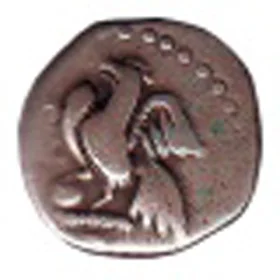


Obverse
Reverse
Edge
Mintings
| Year | Mint Mark | Mintage | Quality | Collection |
|---|---|---|---|---|
| 1837 | — | — |
Historical background
In 1837, Puducherry (then Pondicherry) operated under a complex and fragmented currency system, a direct legacy of its colonial history. As a French colonial enclave surrounded by British Indian territory, its monetary landscape was dual in nature. The official currency was the French franc, and coins minted specifically for the French Indian establishments (Établissements français dans l'Inde) were in circulation. However, the practical demands of local and regional trade meant that a multitude of other currencies were also widely used and accepted.
The British Indian rupee, along with various fanams and pagodas from neighbouring South Indian princely states, circulated freely alongside the French issues. This created significant challenges for commerce and administration, requiring constant exchange calculations and exposing the economy to fluctuations in the value of these disparate coins. The British rupee, given the dominance of British trade in the region, was particularly influential and often functioned as a de facto benchmark.
This monetary heterogeneity reflected Puducherry's unique position as a small French outpost economically integrated into a wider Indian subcontinent dominated by British power. The situation in 1837 was one of informal bimetallism and competing currencies, lacking a unified standard. It was a system of convenience rather than design, highlighting the administrative and economic tensions of maintaining a colonial possession within a larger, rival imperial sphere. This unresolved currency issue would persist until the formal introduction of the Indian rupee across French India in the late 19th century.
The British Indian rupee, along with various fanams and pagodas from neighbouring South Indian princely states, circulated freely alongside the French issues. This created significant challenges for commerce and administration, requiring constant exchange calculations and exposing the economy to fluctuations in the value of these disparate coins. The British rupee, given the dominance of British trade in the region, was particularly influential and often functioned as a de facto benchmark.
This monetary heterogeneity reflected Puducherry's unique position as a small French outpost economically integrated into a wider Indian subcontinent dominated by British power. The situation in 1837 was one of informal bimetallism and competing currencies, lacking a unified standard. It was a system of convenience rather than design, highlighting the administrative and economic tensions of maintaining a colonial possession within a larger, rival imperial sphere. This unresolved currency issue would persist until the formal introduction of the Indian rupee across French India in the late 19th century.

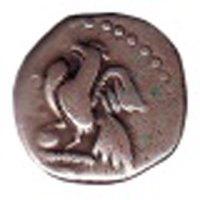
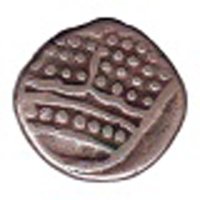

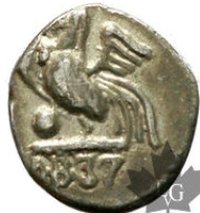
✨ Legendary