

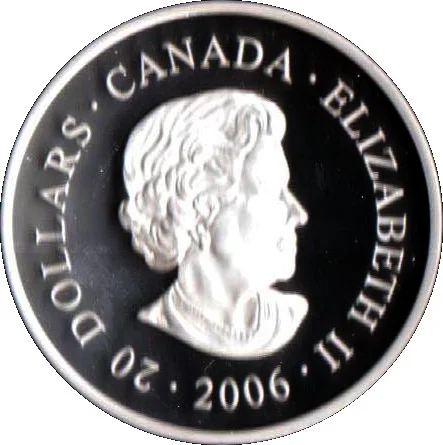
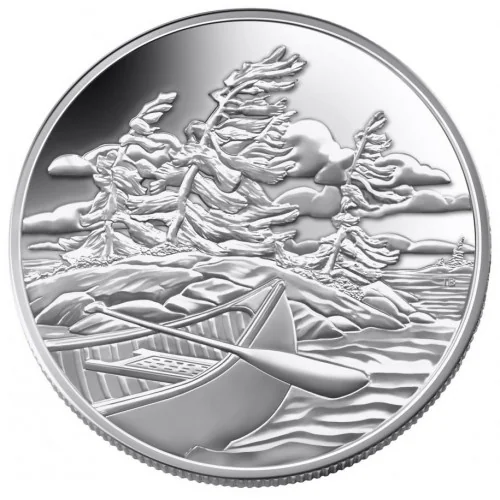
20 dollars – Canada
Add to wishlist
Canada
Context
Material
Diameter: 38 mm
Weight: 31.39 g
Silver Weight:: 31.39 g
Thickness: 3 mm
Shape: Round
Composition: 99.99% Silver
Standard: Silver ounce
Magnetic: No
Technique: Milled
Alignment: Medal alignment
flip
References
KM: #
Numista: #219113
Value
Exchange value: 20 CAD
Bullion value: $78.24
Inflation-adjusted value: 30.26 CAD
Obverse
Description:
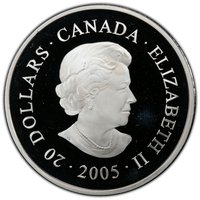
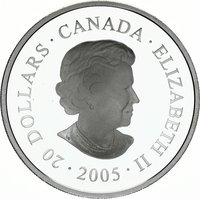
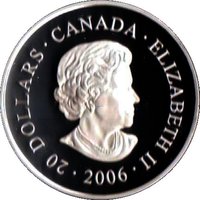
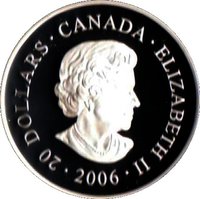
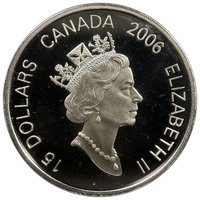
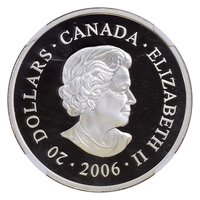
Queen Elizabeth II at 77, facing right, wearing a necklace and earrings.
Inscription:
20 DOLLARS CANADA ELIZABETH II
SB
· 2006 ·
SB
· 2006 ·
Script: Latin
Engraver: Susan Taylor
Designer: Susanna Blunt
Reverse
Description:
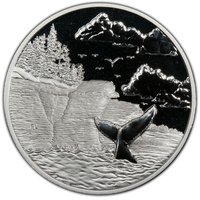
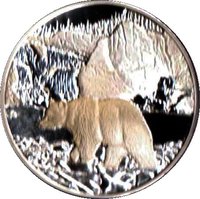
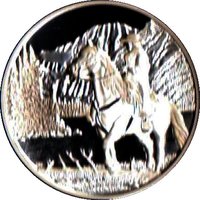
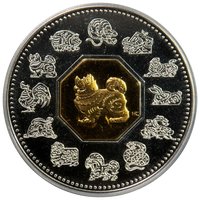
Empty canoe near a river cliff.
Inscription:
TB
Script: Latin
Engraver: Willian Wooddruff
Designer: Tony Bianco
Edge
Milled
Mints
| Name | Mark |
|---|---|
| Royal Canadian Mint of Ottawa | — |
Mintings
| Year | Mint Mark | Mintage | Quality | Collection |
|---|---|---|---|---|
| 2006 | — | 20,218 | Proof |
Historical background
In 2006, Canada's currency situation was characterized by a robust and rapidly appreciating Canadian dollar, driven primarily by a historic commodity boom. The decade's surge in global demand for natural resources, especially oil from the Alberta oil sands, sent prices soaring. As a resource-rich nation, Canada's economy and its currency became tightly linked to these exports. The "loonie," as the dollar is colloquially known, began a significant climb against the US dollar, moving from the low 60-cent US range in 2002 to approach and eventually surpass parity (1 CAD = 1 USD) by the end of 2007. This strong performance was further supported by a relatively healthy domestic economy and interest rate differentials that attracted foreign investment.
This appreciation presented a complex dual challenge for the Canadian economy and the Bank of Canada under Governor David Dodge. On one hand, it benefited consumers and importers by lowering the cost of foreign goods, from electronics to cross-border shopping, and helped keep inflation in check. On the other hand, it severely pressured the manufacturing and forestry sectors, particularly in Central Canada (Ontario and Quebec). Exporters found their goods becoming more expensive for foreign buyers, especially in the crucial US market, leading to plant closures, job losses, and significant economic restructuring in industrial heartlands. Policymakers were tasked with balancing these sectoral pains against broader economic stability.
Throughout the year, the Bank of Canada's monetary policy reflected this balancing act. After a series of rate hikes to manage growth, the Bank held its key overnight rate at 4.25% for most of the year, pausing to assess the impacts of both previous tightening and the dollar's strength. The high currency acted as a de facto monetary tightening, slowing inflation and economic activity, which allowed the central bank to hold steady. The overarching narrative of 2006 was thus one of a currency being reshaped by global forces, creating clear winners and losers within the domestic economy and presenting a persistent challenge for national economic management.
This appreciation presented a complex dual challenge for the Canadian economy and the Bank of Canada under Governor David Dodge. On one hand, it benefited consumers and importers by lowering the cost of foreign goods, from electronics to cross-border shopping, and helped keep inflation in check. On the other hand, it severely pressured the manufacturing and forestry sectors, particularly in Central Canada (Ontario and Quebec). Exporters found their goods becoming more expensive for foreign buyers, especially in the crucial US market, leading to plant closures, job losses, and significant economic restructuring in industrial heartlands. Policymakers were tasked with balancing these sectoral pains against broader economic stability.
Throughout the year, the Bank of Canada's monetary policy reflected this balancing act. After a series of rate hikes to manage growth, the Bank held its key overnight rate at 4.25% for most of the year, pausing to assess the impacts of both previous tightening and the dollar's strength. The high currency acted as a de facto monetary tightening, slowing inflation and economic activity, which allowed the central bank to hold steady. The overarching narrative of 2006 was thus one of a currency being reshaped by global forces, creating clear winners and losers within the domestic economy and presenting a persistent challenge for national economic management.
Series: Canadian National Parks


💎 Extremely Rare