

5 Tolarjev – Slovenia
Slovenia
Context
Material
References
KM: #Click to copy to clipboard6
Numista: #2144
Value
Exchange value: 5 SIT
Inflation-adjusted value: 87.96 SIT
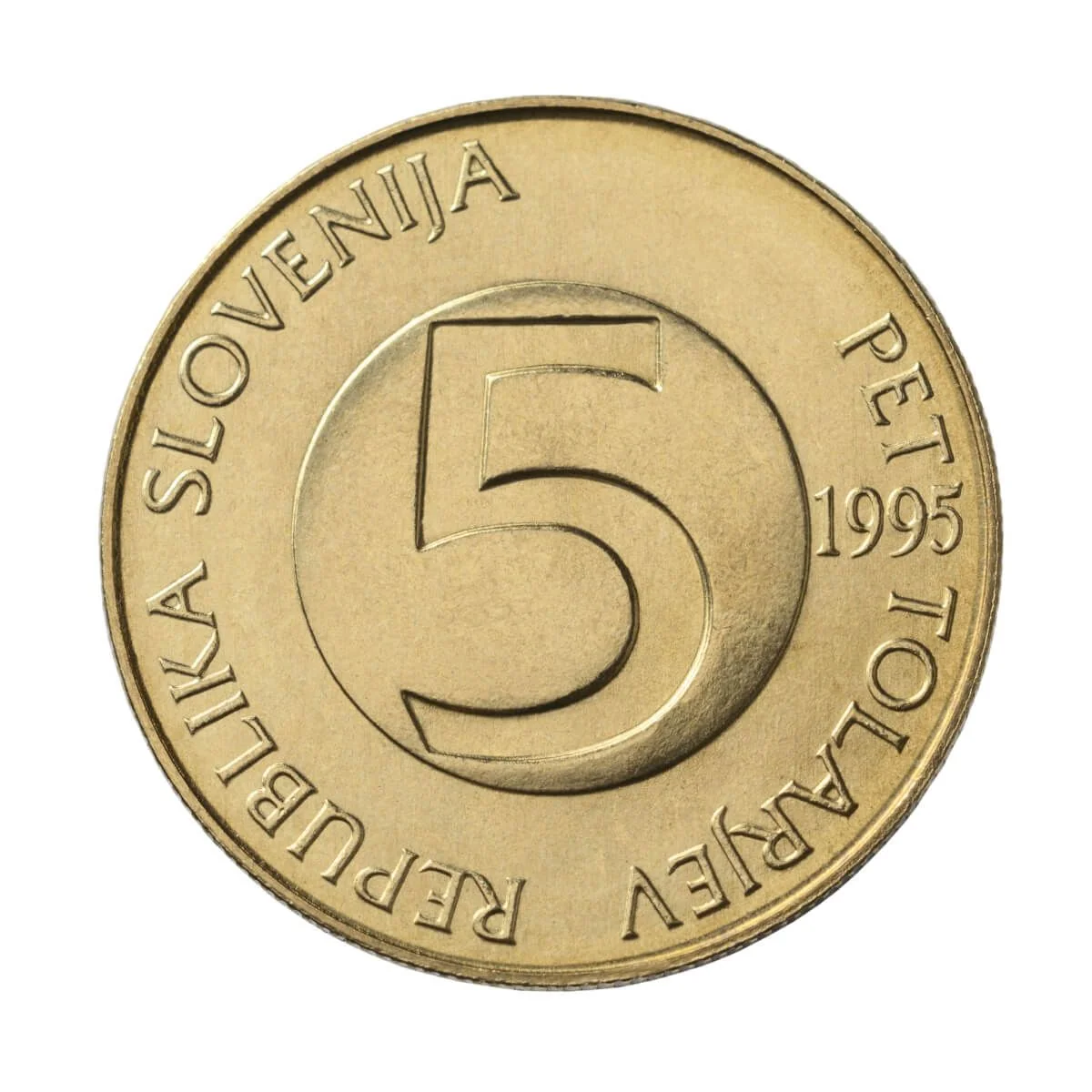
Obverse
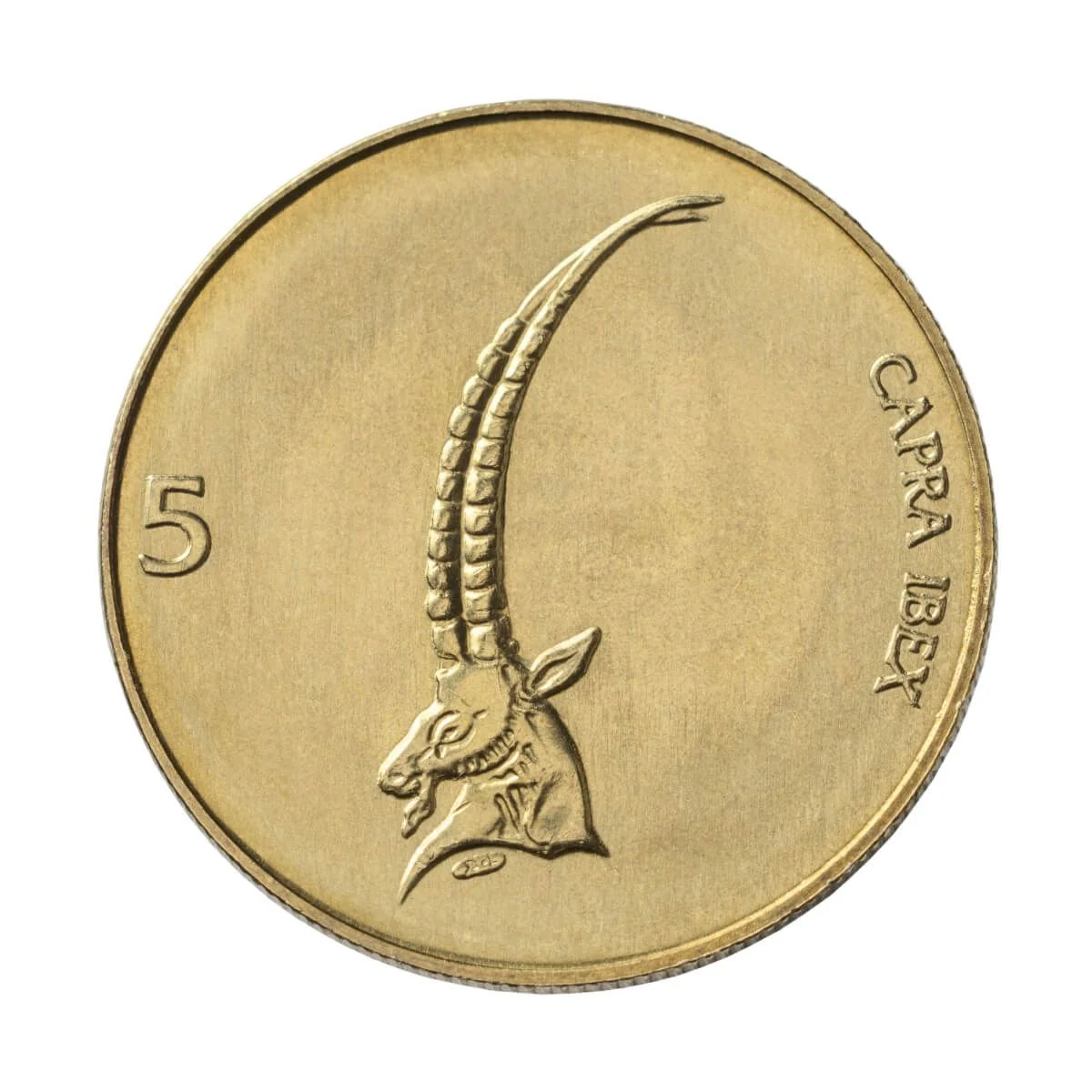
Reverse
Description:
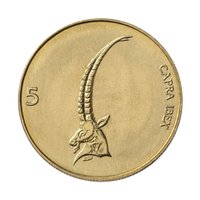
Alpine Ibex head with Latin name right, numerical value left.
Inscription:
CAPRA IBEX
5
5
Script: Latin
Edge
170 reeds.
Mints
| Name | Mark |
|---|---|
| Hungarian mint | — |
| Kremnica | — |
Mintings
| Year | Mint Mark | Mintage | Quality | Collection |
|---|---|---|---|---|
| 1992 | — | 10,015,000 | ||
| 1992 | — | 1,000 | Proof | |
| 1993 | — | 10,015,000 | ||
| 1993 | — | 1,000 | Proof | |
| 1994 | — | 5,000,000 | BU | |
| 1994 | — | 1,000 | In sets | |
| 1994 | — | 1,000 | Proof | |
| 1994 | — | 10,001,000 | ||
| 1995 | — | 1,000 | Proof | |
| 1995 | — | 5,001,000 | ||
| 1995 | — | 5,000,000 | BU | |
| 1996 | — | 6,001,000 | ||
| 1996 | — | 500 | Proof | |
| 1997 | — | 8,001,000 | ||
| 1997 | — | 500 | Proof | |
| 1998 | — | 10,001,000 | ||
| 1998 | — | 500 | Proof | |
| 1999 | — | 500 | Proof | |
| 1999 | — | 6,404,000 | ||
| 2000 | — | 15,001,000 | ||
| 2000 | — | 800 | Proof | |
| 2001 | — | 1,000 | In sets | |
| 2001 | — | 800 | Proof | |
| 2002 | — | 1,000 | In sets | |
| 2002 | — | 800 | Proof | |
| 2003 | — | 1,000 | In sets | |
| 2003 | — | 800 | Proof | |
| 2004 | — | 1,000 | In sets | |
| 2004 | — | 500 | Proof | |
| 2005 | — | 3,000 | In sets | |
| 2005 | — | 1,000 | Proof | |
| 2006 | — | 4,000 | In sets | |
| 2006 | — | 1,000 | Proof |
Historical background
In 1992, Slovenia faced a critical and complex currency situation following its declaration of independence from Yugoslavia in June 1991. The newly sovereign state urgently needed to exit the Yugoslav monetary system, which was collapsing under hyperinflation fueled by the federation's breakup and war. Using the Yugoslav dinar was economically untenable, as Belgrade's central bank printed money uncontrollably, threatening Slovenia's financial stability and sovereignty. The immediate challenge was to introduce a stable, independent currency as the cornerstone of a new national economic policy.
The solution was a bold and carefully orchestrated monetary reform. On October 8, 1992, Slovenia introduced its own temporary currency, the tolar (named after the historic thaler), which initially circulated alongside the Yugoslav dinar. The key to its success was the prior establishment of macroeconomic stability, including tight control over the money supply and foreign exchange reserves. Crucially, the introduction was not announced in advance to prevent a speculative run on banks, and citizens could exchange dinars for tolars at a fixed, favorable rate, building public trust. This "weekend switch" was executed smoothly by the Bank of Slovenia.
This successful currency reform was a foundational milestone for Slovenia's early statehood. It immediately halted imported hyperinflation, allowing the government to pursue independent monetary and fiscal policies. By providing stability, the tolar created the necessary conditions for economic restructuring, privatization, and integration into the global economy. It served as the national currency until Slovenia's adoption of the euro in 2007, having successfully guided the country through its first decade and a half of independence.
The solution was a bold and carefully orchestrated monetary reform. On October 8, 1992, Slovenia introduced its own temporary currency, the tolar (named after the historic thaler), which initially circulated alongside the Yugoslav dinar. The key to its success was the prior establishment of macroeconomic stability, including tight control over the money supply and foreign exchange reserves. Crucially, the introduction was not announced in advance to prevent a speculative run on banks, and citizens could exchange dinars for tolars at a fixed, favorable rate, building public trust. This "weekend switch" was executed smoothly by the Bank of Slovenia.
This successful currency reform was a foundational milestone for Slovenia's early statehood. It immediately halted imported hyperinflation, allowing the government to pursue independent monetary and fiscal policies. By providing stability, the tolar created the necessary conditions for economic restructuring, privatization, and integration into the global economy. It served as the national currency until Slovenia's adoption of the euro in 2007, having successfully guided the country through its first decade and a half of independence.
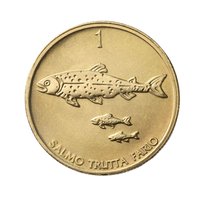
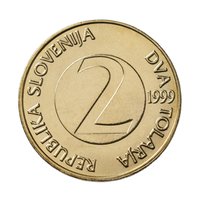
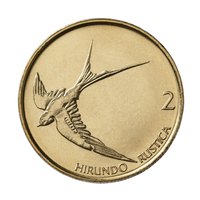
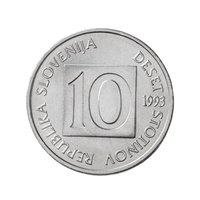
Series: 1992 Slovenia circulation coins

🌱 Very Common