

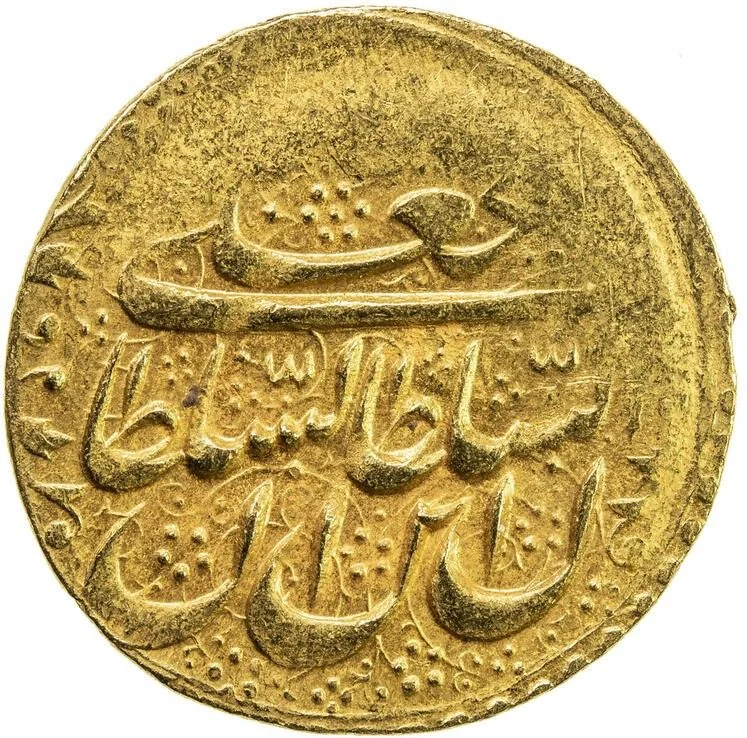
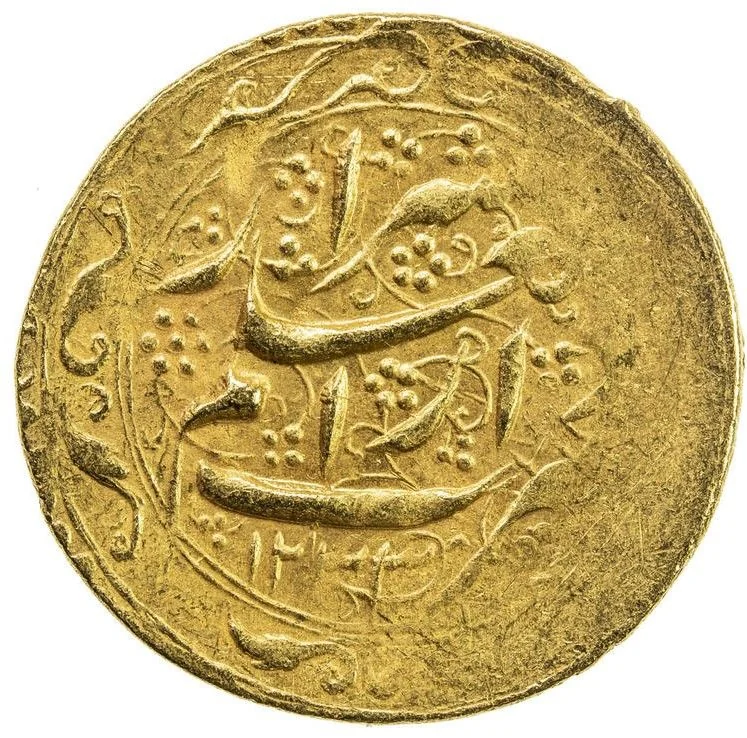
1 toman – Iran
Add to wishlist
Iran
Context
Material
Weight: 4.57 g
Gold Weight:: 4.57 g
Shape: Irregular round
Composition: Gold
Magnetic: No
Technique: Hammered
Alignment: Coin alignment
flip
References
KM: #
Numista: #213852
Value
Bullion value: $702.08
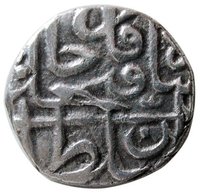
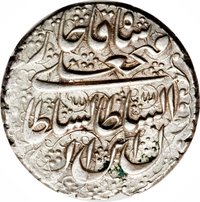
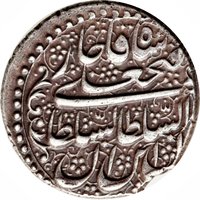
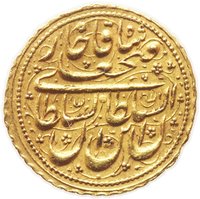
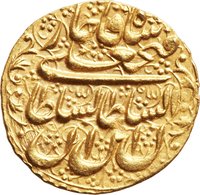
Obverse
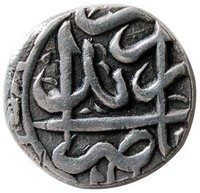
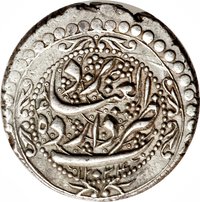
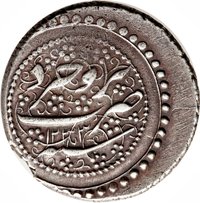
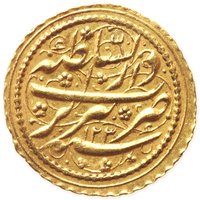
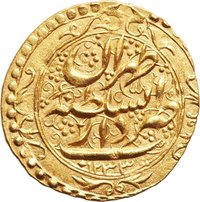
Reverse
Edge
Plain
Mints
| Name | Mark |
|---|---|
| Shiraz | شیراز |
Mintings
| Year | Mint Mark | Mintage | Quality | Collection |
|---|---|---|---|---|
| 1817 | — | — | ||
| 1818 | — | — | ||
| 1819 | — | — | ||
| 1824 | — | — | ||
| 1825 | — | — |
Historical background
In 1817, Iran's currency system was a complex and fragmented reflection of the weakened Qajar dynasty's struggle to assert central control. The monetary landscape was characterized by a bewildering variety of coins, both domestic and foreign, circulating simultaneously. The primary unit was the silver qiran (later the rial), but its value and purity were inconsistent due to irregular minting practices across provincial capitals. Crucially, the state lacked a standardized national coinage, leading to a reliance on foreign silver coins—most notably the Russian ruble and the British Indian rupee—which were often preferred for trade due to their more reliable silver content.
This monetary disarray was symptomatic of deeper economic and political troubles. The Qajar state, still recovering from decades of civil war following its establishment in 1794, faced severe budgetary shortfalls exacerbated by costly military campaigns and a largely inefficient tax-farming system. The shortage of precious metals, particularly silver, was acute, leading to frequent debasement of the coinage. Governors and powerful tribal leaders often operated their own mints, further diluting the currency's integrity and causing wide fluctuations in exchange rates between different regions and cities.
Consequently, both internal trade and international commerce were hampered by this instability. Merchants and sarrafs (money changers/bankers) played an outsized role in navigating the chaotic system, assessing the value of individual coins by weight and assay. The year 1817 falls within a period just prior to more concerted, though still ultimately unsuccessful, reforms by Crown Prince Abbas Mirza in the western provinces and later by the central government. Thus, the currency situation remained a significant obstacle to economic integration and state-building, leaving Iran's economy vulnerable and its fiscal sovereignty compromised.
This monetary disarray was symptomatic of deeper economic and political troubles. The Qajar state, still recovering from decades of civil war following its establishment in 1794, faced severe budgetary shortfalls exacerbated by costly military campaigns and a largely inefficient tax-farming system. The shortage of precious metals, particularly silver, was acute, leading to frequent debasement of the coinage. Governors and powerful tribal leaders often operated their own mints, further diluting the currency's integrity and causing wide fluctuations in exchange rates between different regions and cities.
Consequently, both internal trade and international commerce were hampered by this instability. Merchants and sarrafs (money changers/bankers) played an outsized role in navigating the chaotic system, assessing the value of individual coins by weight and assay. The year 1817 falls within a period just prior to more concerted, though still ultimately unsuccessful, reforms by Crown Prince Abbas Mirza in the western provinces and later by the central government. Thus, the currency situation remained a significant obstacle to economic integration and state-building, leaving Iran's economy vulnerable and its fiscal sovereignty compromised.
Series: 1817 Iran circulation coins
✨ Legendary