

18 piastres – Cyprus
Add to wishlist
Cyprus
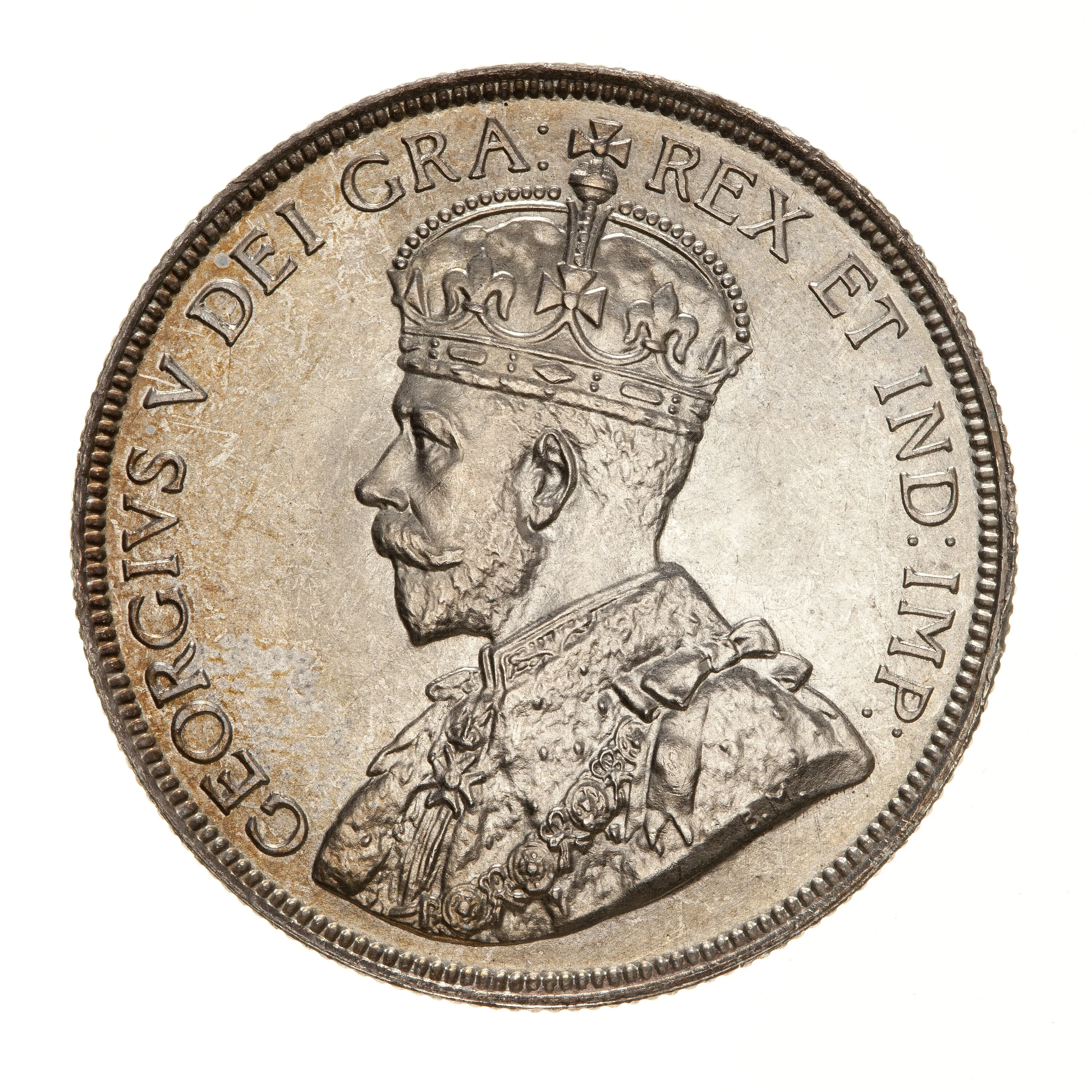
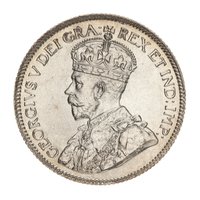
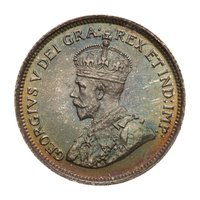
Obverse
Inscription:
GEORGE V DEI GRA: REX ET IND:IMP:
Translation:
GEORGE V BY THE GRACE OF GOD: KING AND EMPEROR OF INDIA:
Script: Latin
Engraver: Edgar Bertram MacKennal
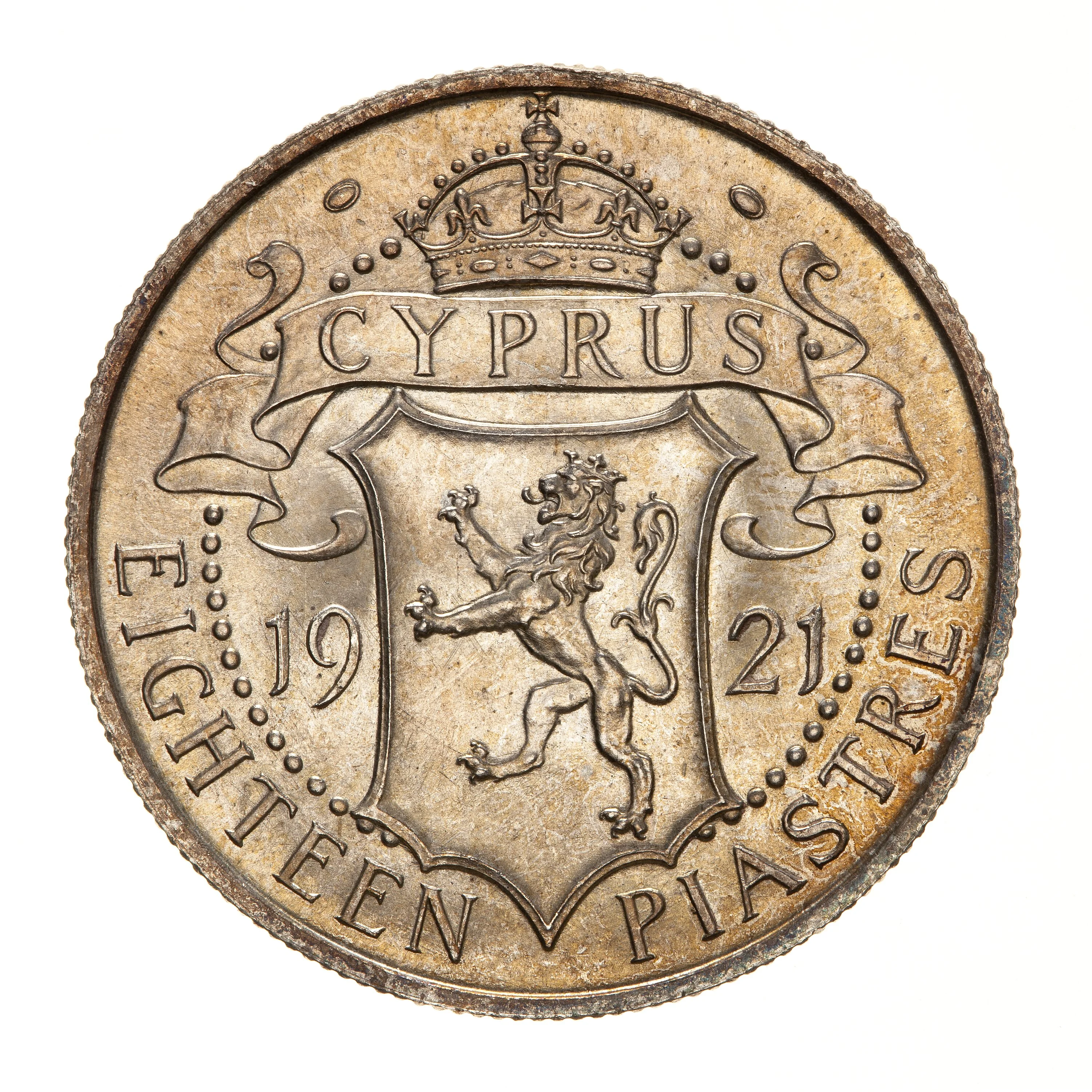
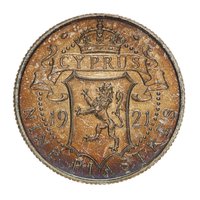
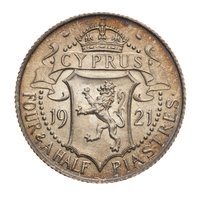
Reverse
Inscription:
CYPRUS
19 21
EIGHTEEN PIASTRES
19 21
EIGHTEEN PIASTRES
Script: Latin
Edge
Mints
| Name | Mark |
|---|---|
| Royal Mint (Tower Hill) | — |
Mintings
| Year | Mint Mark | Mintage | Quality | Collection |
|---|---|---|---|---|
| 1913 | — | 25,000 | ||
| 1921 | — | 155,000 |
Historical background
In 1913, the currency situation in Cyprus was a direct reflection of its political status as a British Crown Colony, administered by the United Kingdom since 1878. The official currency was the Cypriot pound (£C), introduced in 1879 and pegged at par with the British pound sterling. This meant the island operated on a sterling-exchange standard, with British gold sovereigns and silver coins circulating alongside locally issued government notes and token coins. The system was designed to integrate Cyprus into the British economic sphere, facilitating trade and administrative finance.
However, the monetary landscape was not uniform. Due to the island's long history under Ottoman rule, which ended just four decades prior, the Ottoman kuruş (piastre) remained in widespread daily use among the local population, particularly for smaller transactions. This created a de facto dual-currency environment where both British and former Ottoman coinage circulated, with official exchange rates fixed by the colonial government. The persistence of the kuruş highlighted the gradual nature of the transition from Ottoman to British economic systems in everyday Cypriot life.
This period was one of relative monetary stability under the colonial administration, with the currency peg to sterling providing a firm anchor. The system effectively served British imperial interests, streamlining governance and linking Cyprus to wider Mediterranean and global trade networks. Nonetheless, the lingering circulation of Ottoman coinage served as a tangible reminder of the island's recent past and the complex socio-economic integration into the British Empire on the eve of World War I.
However, the monetary landscape was not uniform. Due to the island's long history under Ottoman rule, which ended just four decades prior, the Ottoman kuruş (piastre) remained in widespread daily use among the local population, particularly for smaller transactions. This created a de facto dual-currency environment where both British and former Ottoman coinage circulated, with official exchange rates fixed by the colonial government. The persistence of the kuruş highlighted the gradual nature of the transition from Ottoman to British economic systems in everyday Cypriot life.
This period was one of relative monetary stability under the colonial administration, with the currency peg to sterling providing a firm anchor. The system effectively served British imperial interests, streamlining governance and linking Cyprus to wider Mediterranean and global trade networks. Nonetheless, the lingering circulation of Ottoman coinage served as a tangible reminder of the island's recent past and the complex socio-economic integration into the British Empire on the eve of World War I.
🌟 Limited