

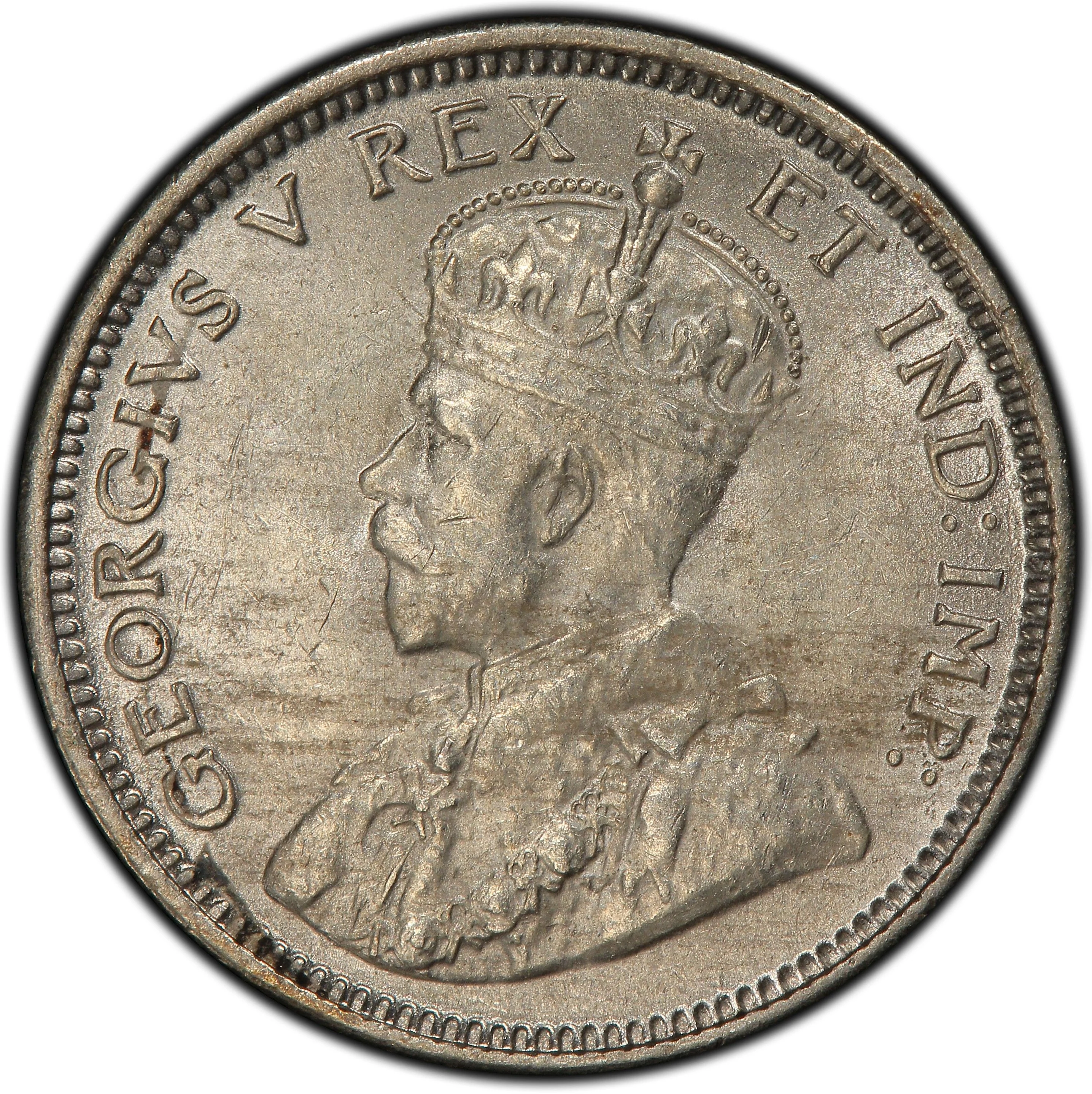
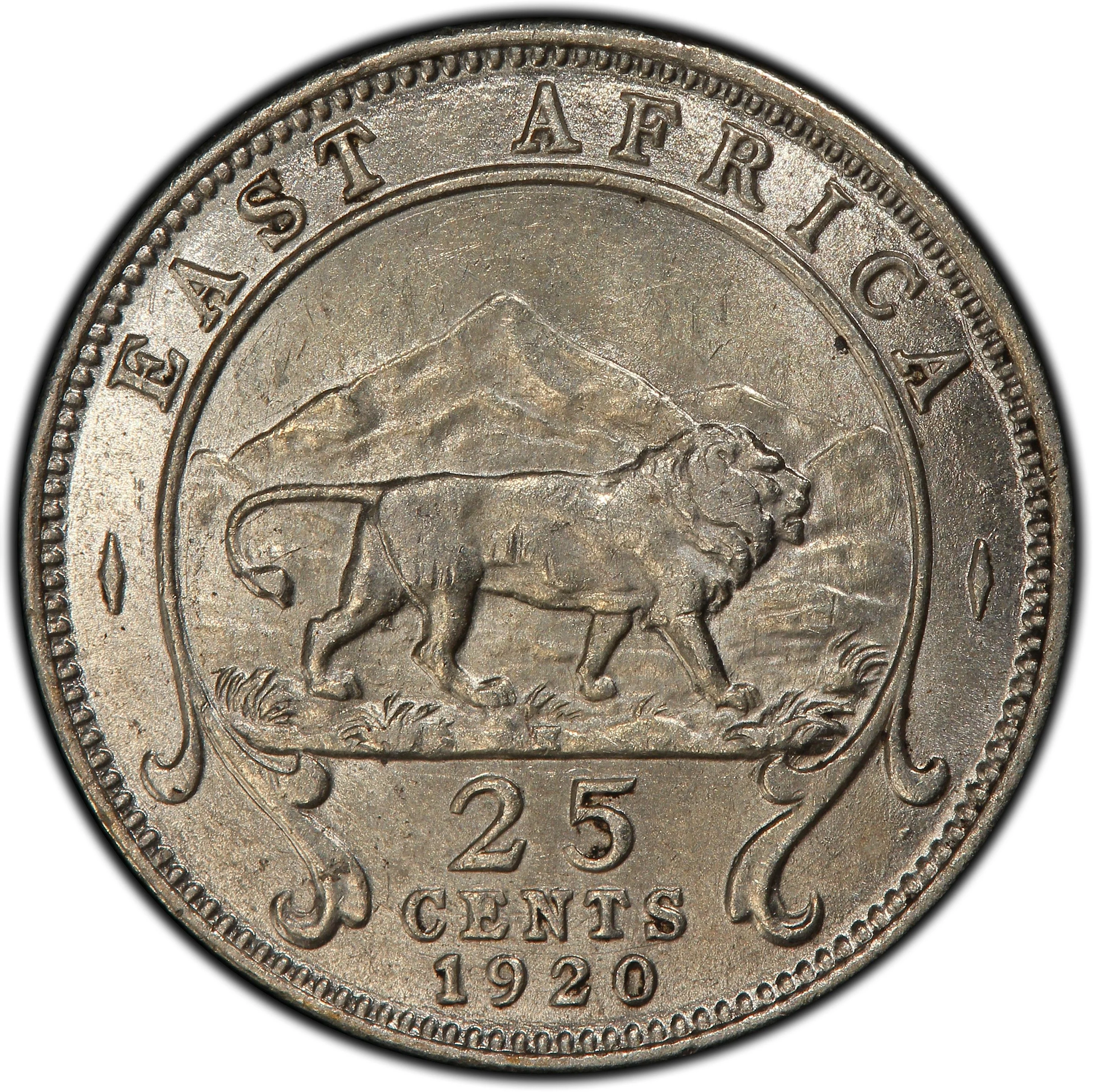
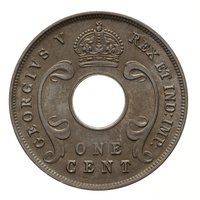
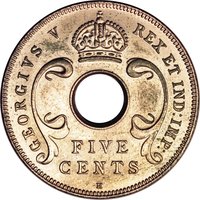
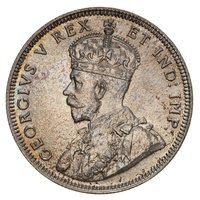
Obverse
Description:
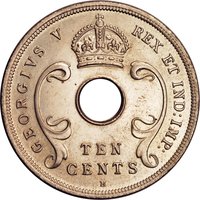
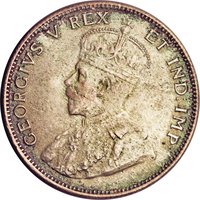
George V left-facing crowned bust.
Inscription:
GEORGIVS V REX ET IND:IMP:
B.M
B.M
Script: Latin
Designer: Edgar Bertram MacKennal
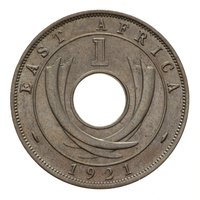
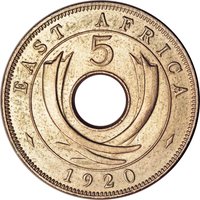
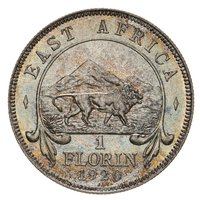
Reverse
Description:
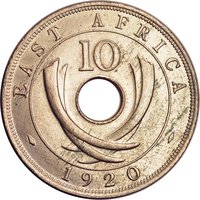
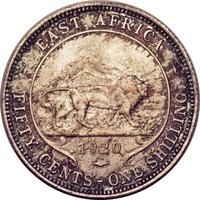
Lion merchant with Mount Kilimanjaro. Circular "East Africa" legend, face value, and year.
Inscription:
EAST AFRICA
25
CENTS
1920
25
CENTS
1920
Script: Latin
Edge
Milled
Mints
| Name | Mark |
|---|---|
| Heaton and Sons / The Mint Birmingham | H |
Historical background
In 1920, East Africa's currency landscape was dominated by colonial monetary systems, firmly tying the region's economies to European powers. The British East African Protectorate (soon to be Kenya Colony) and the Uganda Protectorate used the East African rupee, issued by the East African Currency Board (EACB) established in London. This rupee was pegged to the Indian rupee and, by extension, to the British pound sterling, reflecting the administrative and trade links with India. Meanwhile, German East Africa, now under British mandate as Tanganyika Territory, was in a transitional phase, moving from the former German East African rupie towards incorporation into the same EACB rupee system, a process that would be completed in 1922.
This imposed monetary integration facilitated colonial administration and the export of primary commodities, but it often did not serve the needs of the indigenous African populations. The currency systems were designed to stabilize trade with the metropole and integrate East Africa into the global imperial economy, prioritizing the interests of European settlers and trading companies. The use of coinage and notes also actively worked to displace and marginalize traditional forms of value exchange, such as cattle or cloth, further embedding a cash economy oriented around colonial production.
Concurrently, the Ethiopian Empire (Abyssinia) stood as a significant exception, maintaining its monetary sovereignty. It continued to circulate its own historic currency, the Maria Theresa thaler, alongside the newly introduced Ethiopian birr (or talari), which was minted from silver. This independent currency system underscored Ethiopia's unique position as an uncolonized state, creating a distinct monetary zone amidst a region otherwise carved into spheres of European financial control. Thus, the currency map of 1920 East Africa clearly delineated the boundaries of colonial influence and resilient independence.
This imposed monetary integration facilitated colonial administration and the export of primary commodities, but it often did not serve the needs of the indigenous African populations. The currency systems were designed to stabilize trade with the metropole and integrate East Africa into the global imperial economy, prioritizing the interests of European settlers and trading companies. The use of coinage and notes also actively worked to displace and marginalize traditional forms of value exchange, such as cattle or cloth, further embedding a cash economy oriented around colonial production.
Concurrently, the Ethiopian Empire (Abyssinia) stood as a significant exception, maintaining its monetary sovereignty. It continued to circulate its own historic currency, the Maria Theresa thaler, alongside the newly introduced Ethiopian birr (or talari), which was minted from silver. This independent currency system underscored Ethiopia's unique position as an uncolonized state, creating a distinct monetary zone amidst a region otherwise carved into spheres of European financial control. Thus, the currency map of 1920 East Africa clearly delineated the boundaries of colonial influence and resilient independence.
💎 Very Rare