

2 shillings – British West Africa
Add to wishlist
Context
Years: 1913–1920
Country: Western African States
Issuer: British West Africa
Ruler: George V
Currency:
(1907—1968)
Demonetized: Yes
Total mintage: 36,035,000
Material
References
KM: #
Numista: #20938
Value
Bullion value: $26.21
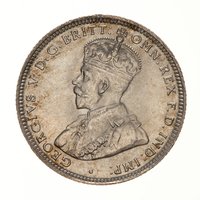
Obverse
Description:
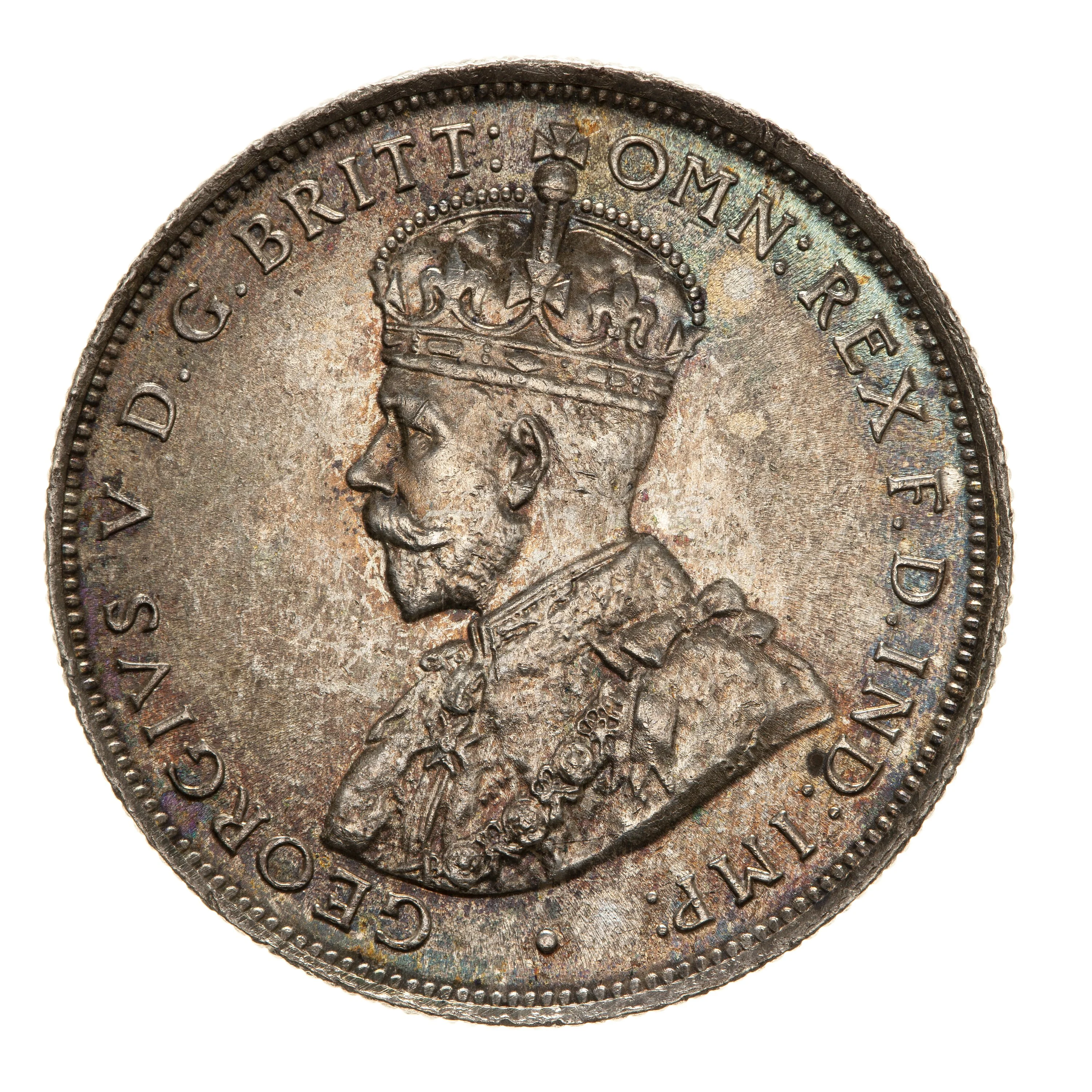
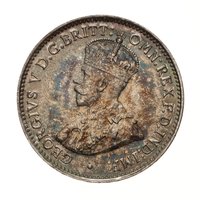
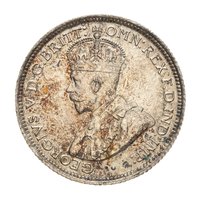
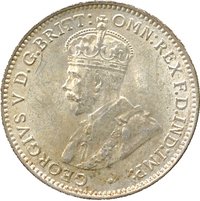
King George V, crowned, facing left.
Inscription:
· GEORGIVS V D.G.BRITT: OMN:REX F.D.IND:IMP:
Translation:
George V, by the Grace of God, King of all the Britains, Defender of the Faith, Emperor of India.
Script: Latin
Language: Latin
Engraver: Edgar Bertram MacKennal
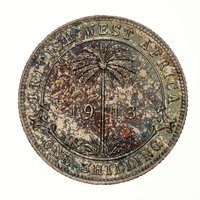
Reverse
Description:
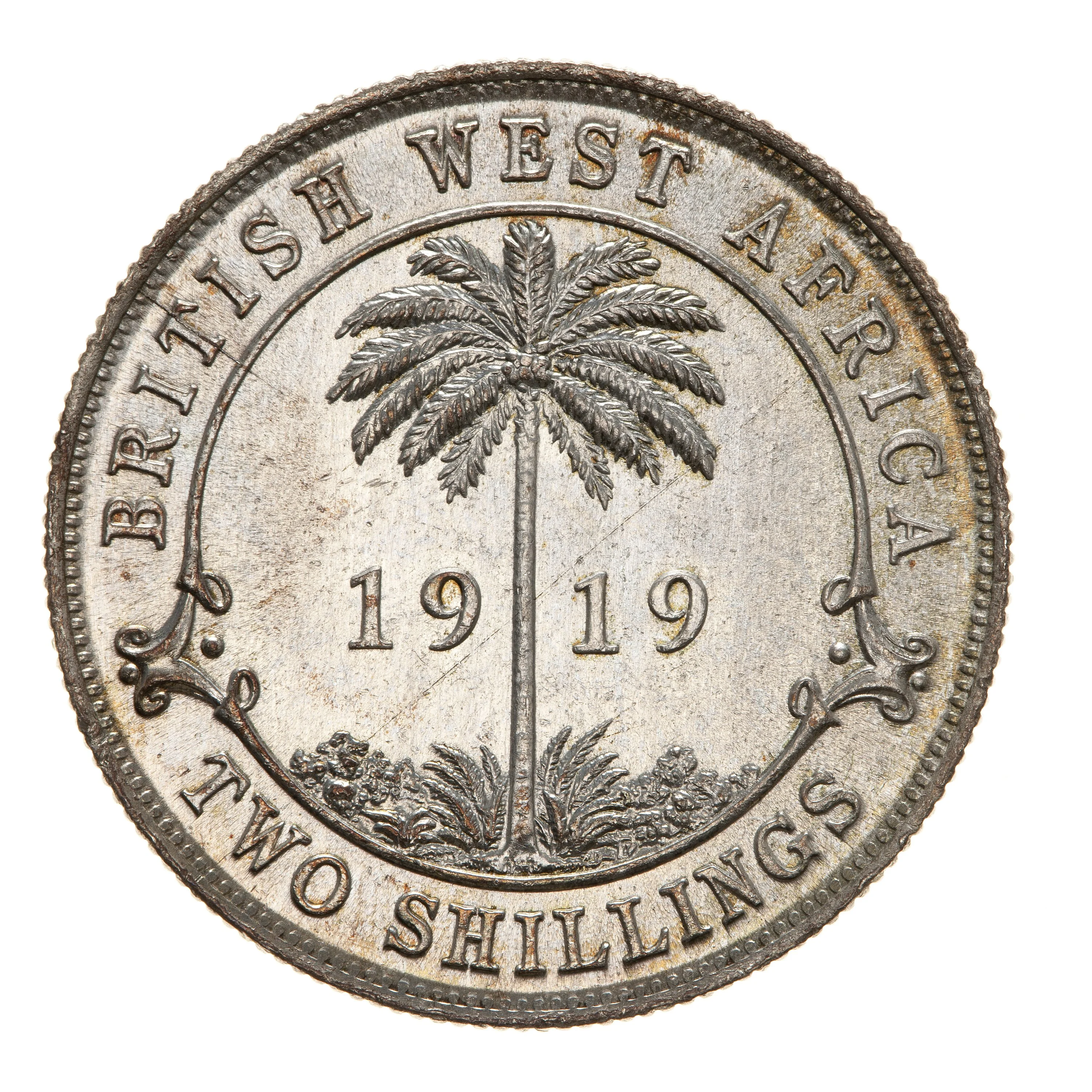
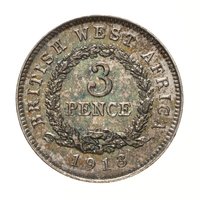
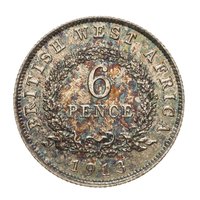
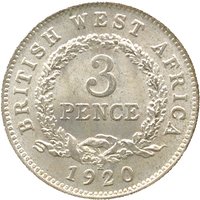
Palm tree dividing date and denomination, issuer name above.
Inscription:
BRITISH WEST AFRICA
19 13
TWO SHILLINGS
19 13
TWO SHILLINGS
Script: Latin
Edge
Reeded
Mints
| Name | Mark |
|---|---|
| Royal Mint (Tower Hill) | — |
| Heaton and Sons / The Mint Birmingham | H |
Mintings
Historical background
In 1913, the currency situation in British West Africa was a complex and transitional system, dominated by the West African Currency Board (WACC), established just two years prior in 1912. This new system was a direct response to the monetary chaos that had prevailed for decades, where a confusing array of currencies—including British gold and silver coins, various foreign coins (especially Spanish and Mexican dollars), and traders' own currency notes—circulated with unreliable values. The primary goal of the WACC was to replace this heterogeneous mix with a uniform, sterling-backed currency, thereby stabilizing exchange and facilitating colonial trade and administration.
The Board introduced a distinct West African shilling, which was at parity with the British shilling but was not legal tender in the UK itself. This currency was fully convertible and securely backed by sterling reserves held in London, ensuring strict adherence to the gold standard. Crucially, the new coins were intentionally made of a unique alloy (75% copper and 25% nickel) to prevent their melting down or exportation, as the older silver coins had often been siphoned away for their bullion value, causing chronic shortages in the local economy. This move effectively created a "currency trap," tying the region's monetary system firmly to the British pound.
Thus, by 1913, the groundwork was laid for a monetary regime that prioritized imperial economic integration over local fiscal autonomy. The system guaranteed stability and predictability for British merchants and colonial officers, but it also meant that West Africa's money supply was entirely dependent on its balance of payments with Britain, fundamentally shaping the colonial economy. The WACC system would remain the cornerstone of West African currency for the next half-century, enduring long after its establishment in the final years of pre-war British colonial rule.
The Board introduced a distinct West African shilling, which was at parity with the British shilling but was not legal tender in the UK itself. This currency was fully convertible and securely backed by sterling reserves held in London, ensuring strict adherence to the gold standard. Crucially, the new coins were intentionally made of a unique alloy (75% copper and 25% nickel) to prevent their melting down or exportation, as the older silver coins had often been siphoned away for their bullion value, causing chronic shortages in the local economy. This move effectively created a "currency trap," tying the region's monetary system firmly to the British pound.
Thus, by 1913, the groundwork was laid for a monetary regime that prioritized imperial economic integration over local fiscal autonomy. The system guaranteed stability and predictability for British merchants and colonial officers, but it also meant that West Africa's money supply was entirely dependent on its balance of payments with Britain, fundamentally shaping the colonial economy. The WACC system would remain the cornerstone of West African currency for the next half-century, enduring long after its establishment in the final years of pre-war British colonial rule.
🌟 Uncommon