

20 Bani – Romania
Romania
Context

Material
Diameter: 25 mm
Weight: 6.9 g
Shape: Round
Composition: Copper-nickel
Technique: Milled
Alignment: Coin alignment
flip

References
KM: #Click to copy to clipboard30
Numista: #20299
Obverse
Reverse
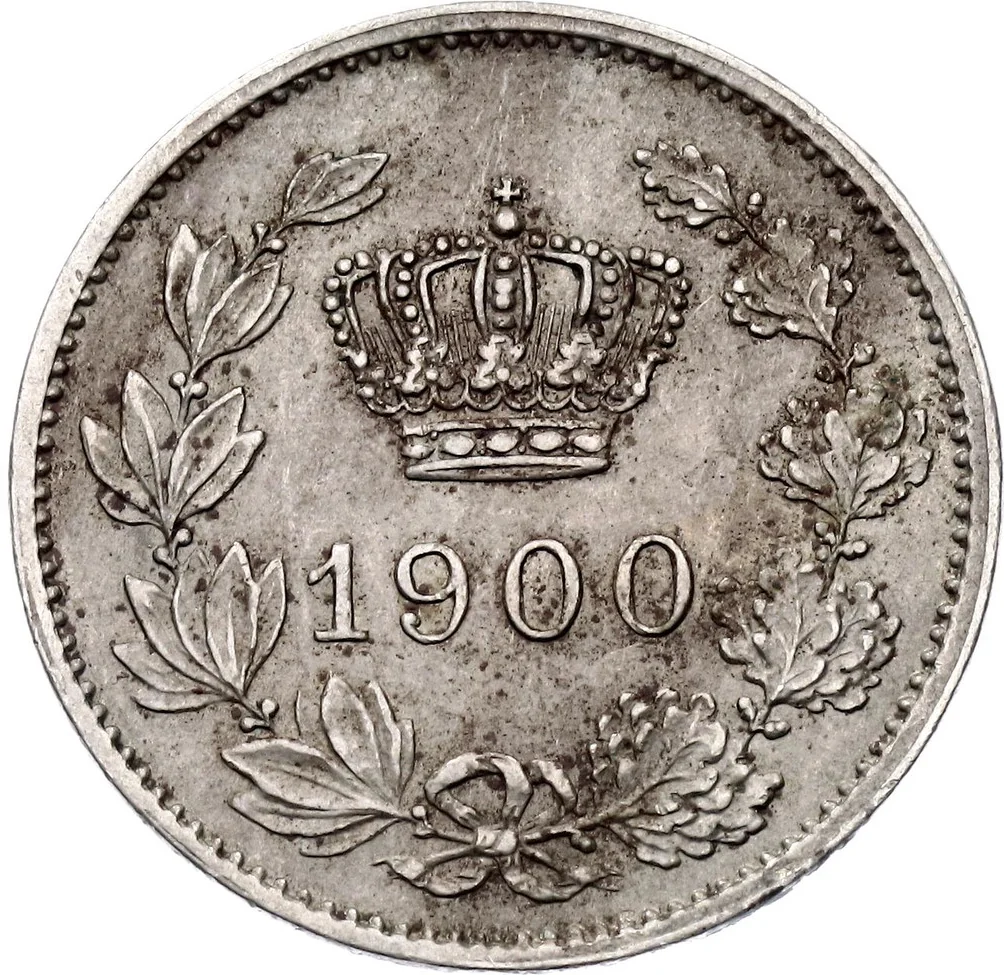
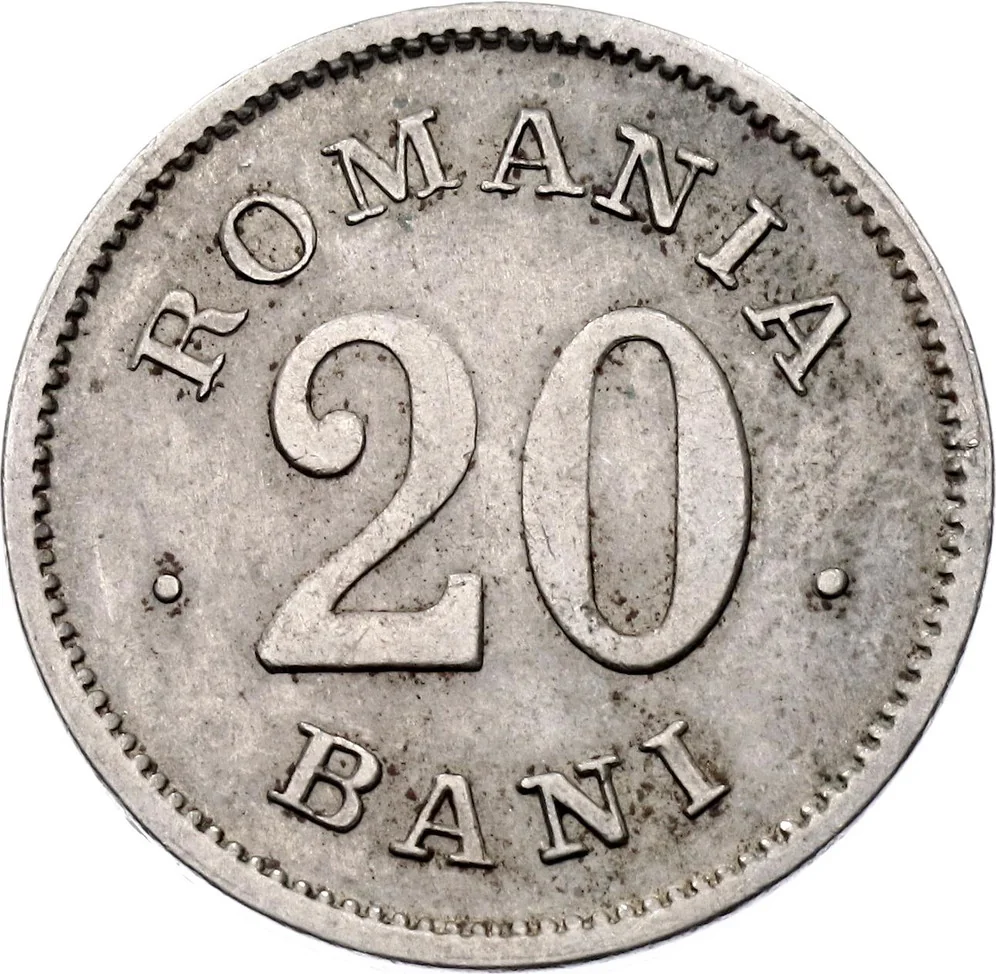
Description:
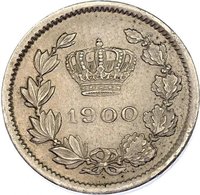
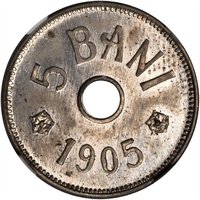
"20 BANI" / "ROUMANIE" with external beaded border.
Inscription:
ROMANIA
· 20 ·
BANI
· 20 ·
BANI
Script: Latin
Edge
Plain
Mints
| Name | Mark |
|---|---|
| Royal Mint of Belgium | — |
Mintings
| Year | Mint Mark | Mintage | Quality | Collection |
|---|---|---|---|---|
| 1900 | — | 2,500,000 |
Historical background
At the dawn of the 20th century, Romania's currency system was defined by the gold standard, anchored by the Romanian Leu (ROL). The 1890 monetary law had formally established this system, pegging the leu to gold and defining it as equal in value to the French franc as part of the Latin Monetary Union. This move was a strategic effort to attract foreign investment, stabilize the economy, and integrate Romania more fully into European finance and trade networks. The National Bank of Romania, founded in 1880, held the exclusive right of note issue, and gold coins circulated alongside silver and bronze subsidiary coins.
However, the reality was more complex than the legal framework suggested. While large transactions and international settlements were conducted in gold, the domestic economy relied heavily on silver coins and, especially, paper banknotes. Public trust in paper currency was not absolute, and a persistent gap often existed between the face value of notes and their actual value in gold. Furthermore, the state's fiscal discipline was questionable; successive governments frequently borrowed from the National Bank to cover budget deficits, effectively putting the currency under pressure and leading to periods of inflation.
This underlying fragility meant that Romania's currency stability was precarious as it entered the new century. The system depended heavily on confidence and responsible fiscal policy, both of which would be severely tested by the major political and military upheavals to come. The economic strains of the upcoming Balkan Wars and, ultimately, World War I would force Romania to abandon the gold standard entirely, leading to significant devaluation and marking the end of this pre-war monetary era.
However, the reality was more complex than the legal framework suggested. While large transactions and international settlements were conducted in gold, the domestic economy relied heavily on silver coins and, especially, paper banknotes. Public trust in paper currency was not absolute, and a persistent gap often existed between the face value of notes and their actual value in gold. Furthermore, the state's fiscal discipline was questionable; successive governments frequently borrowed from the National Bank to cover budget deficits, effectively putting the currency under pressure and leading to periods of inflation.
This underlying fragility meant that Romania's currency stability was precarious as it entered the new century. The system depended heavily on confidence and responsible fiscal policy, both of which would be severely tested by the major political and military upheavals to come. The economic strains of the upcoming Balkan Wars and, ultimately, World War I would force Romania to abandon the gold standard entirely, leading to significant devaluation and marking the end of this pre-war monetary era.
Series: 1900 Romania circulation coins
🌟 Limited