

20 Paras – Yugoslavia
Context
Years: 1965–1981
Issuer: Yugoslavia
Period:
(1963—1992)
Currency:
(1966—1989)
Demonetization: 31 December 1985
Total mintage: 529,880,000
Material
References
KM: #Click to copy to clipboard45
Numista: #2001
Value
Exchange value: 0.20 YUD
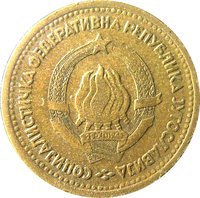
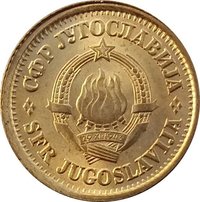
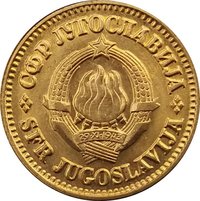
Obverse
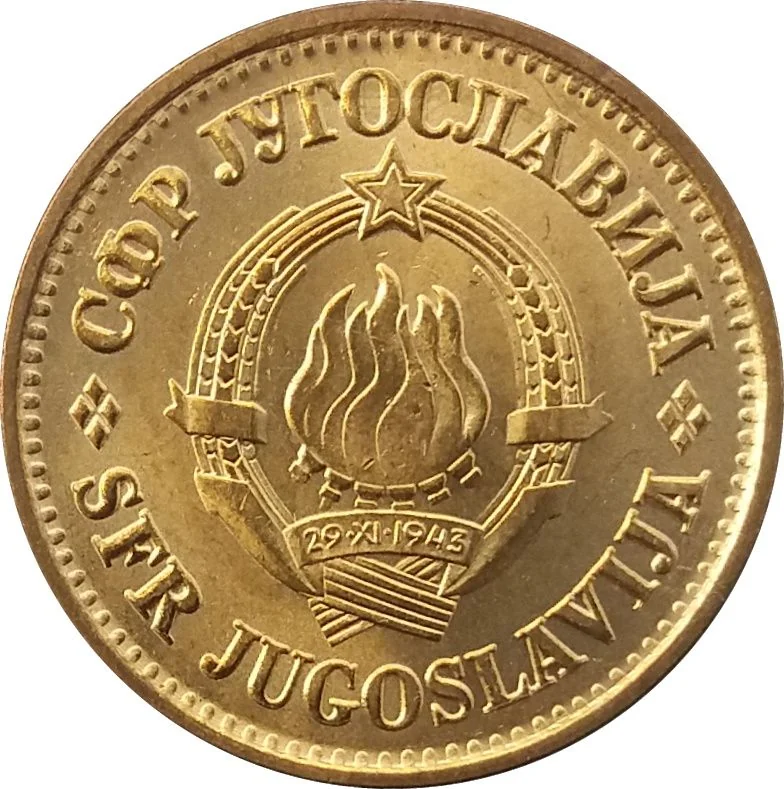
Description:
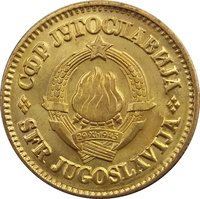
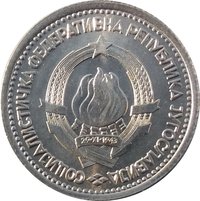
State symbol
Inscription:
СФР ЈУГОСЛАВИЈА
29·XI·1943
SFR JUGOSLAVIJA
29·XI·1943
SFR JUGOSLAVIJA
Translation:
SOCIALIST FEDERAL REPUBLIC OF YUGOSLAVIA
29·XI·1943
29·XI·1943
Language: Serbian
Designer: Dragomir Mileusnić
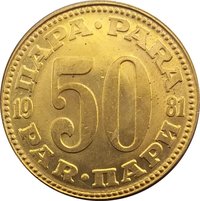
Reverse
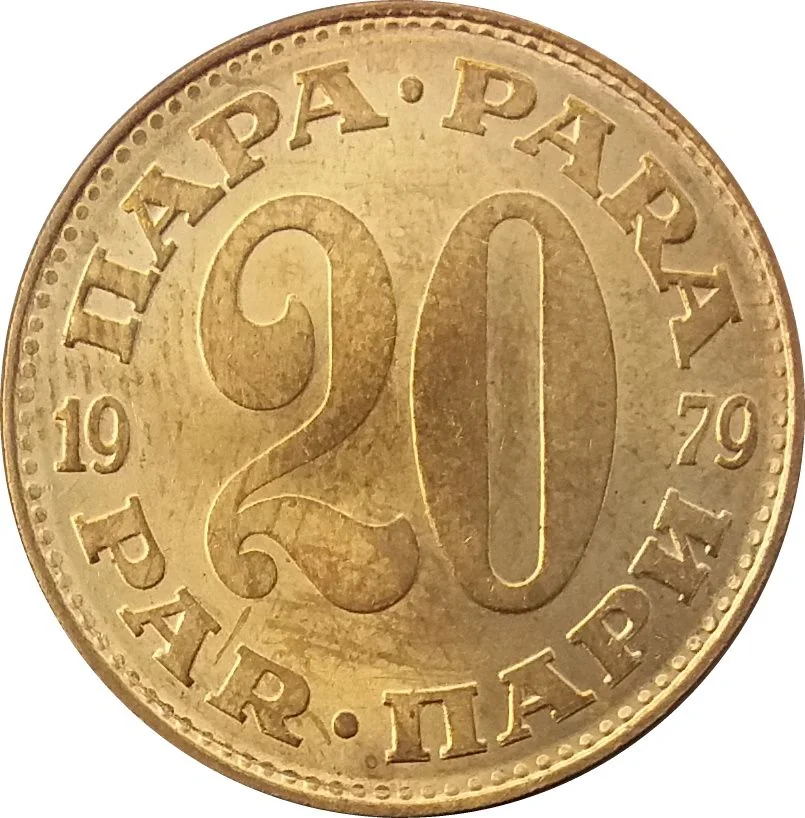
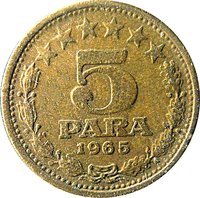
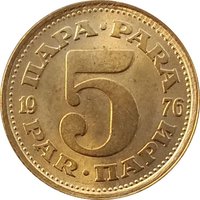
Description:
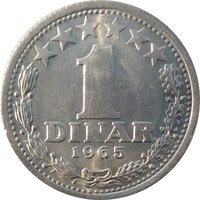
Denomination by date
Inscription:
ПАРА·PARA
19 20 79
PAR·ПАРИ
19 20 79
PAR·ПАРИ
Translation:
PARA PARA
19 20 79
PAR PARI
19 20 79
PAR PARI
Designer: Dragomir Mileusnić
Edge
Reeded
Categories
| Symbols> Coat of Arms |
Mints
| Name | Mark |
|---|---|
| Belgrade | — |
Mintings
| Year | Mint Mark | Mintage | Quality | Collection |
|---|---|---|---|---|
| 1965 | — | 90,270,000 | ||
| 1973 | — | 30,448,000 | ||
| 1974 | — | 31,364,000 | ||
| 1975 | — | 44,683,000 | ||
| 1976 | — | 33,312,000 | ||
| 1977 | — | 40,782,000 | ||
| 1978 | — | 39,999,000 | ||
| 1979 | — | 49,121,000 | ||
| 1980 | — | 73,757,000 | ||
| 1981 | — | 96,144,000 |
Historical background
In 1965, Yugoslavia implemented a significant economic reform package, known as the "Economic Reform of 1965," which directly addressed its troubled currency situation. The Yugoslav dinar was fundamentally overvalued and non-convertible, propped up by complex and restrictive multiple exchange rates. This system, managed by the National Bank, created severe distortions: it subsidized inefficient import-dependent industries, discouraged competitive exports, and fostered a growing black market for foreign currency. The overvaluation acted as a hidden tax on the agricultural and export sectors, widening the regional economic disparities between the more developed republics (like Slovenia and Croatia) and the less developed ones.
The reform aimed to integrate Yugoslavia more fully into the world market by introducing a single, devalued exchange rate to make exports more competitive and imports more expensive. The official dinar was devalued by approximately 67%, moving from 750 dinars to 1,250 dinars per US dollar. Furthermore, the government took steps toward partial convertibility for business transactions, allowing enterprises greater autonomy in retaining and using foreign exchange earnings. This was a cornerstone of the broader shift away from a centrally planned economy toward the unique system of "market socialism" and worker self-management.
However, the currency reforms of 1965 had mixed and ultimately destabilizing consequences. While they initially boosted exports, the devaluation also fueled inflation by making imported machinery and goods more costly. The reforms failed to fully dismantle the underlying structural weaknesses, such as soft budget constraints for large enterprises and politically-directed investments. Consequently, the temporary stabilization gave way to persistent trade deficits, rising foreign debt, and recurring inflationary pressures throughout the 1970s and 1980s, setting the stage for the chronic monetary crises that would plague Yugoslavia in its final decades.
The reform aimed to integrate Yugoslavia more fully into the world market by introducing a single, devalued exchange rate to make exports more competitive and imports more expensive. The official dinar was devalued by approximately 67%, moving from 750 dinars to 1,250 dinars per US dollar. Furthermore, the government took steps toward partial convertibility for business transactions, allowing enterprises greater autonomy in retaining and using foreign exchange earnings. This was a cornerstone of the broader shift away from a centrally planned economy toward the unique system of "market socialism" and worker self-management.
However, the currency reforms of 1965 had mixed and ultimately destabilizing consequences. While they initially boosted exports, the devaluation also fueled inflation by making imported machinery and goods more costly. The reforms failed to fully dismantle the underlying structural weaknesses, such as soft budget constraints for large enterprises and politically-directed investments. Consequently, the temporary stabilization gave way to persistent trade deficits, rising foreign debt, and recurring inflationary pressures throughout the 1970s and 1980s, setting the stage for the chronic monetary crises that would plague Yugoslavia in its final decades.

🌱 Very Common