

10 euro cents – San Marino
Add to wishlist
San Marino
Context
Years: 2002–2007
Issuer: San Marino
Period:
(since 301)
Currency:
(since 2002)
Total mintage: 795,050
Material
References
KM: #
Numista: #199
Value
Exchange value: 0.10 EUR
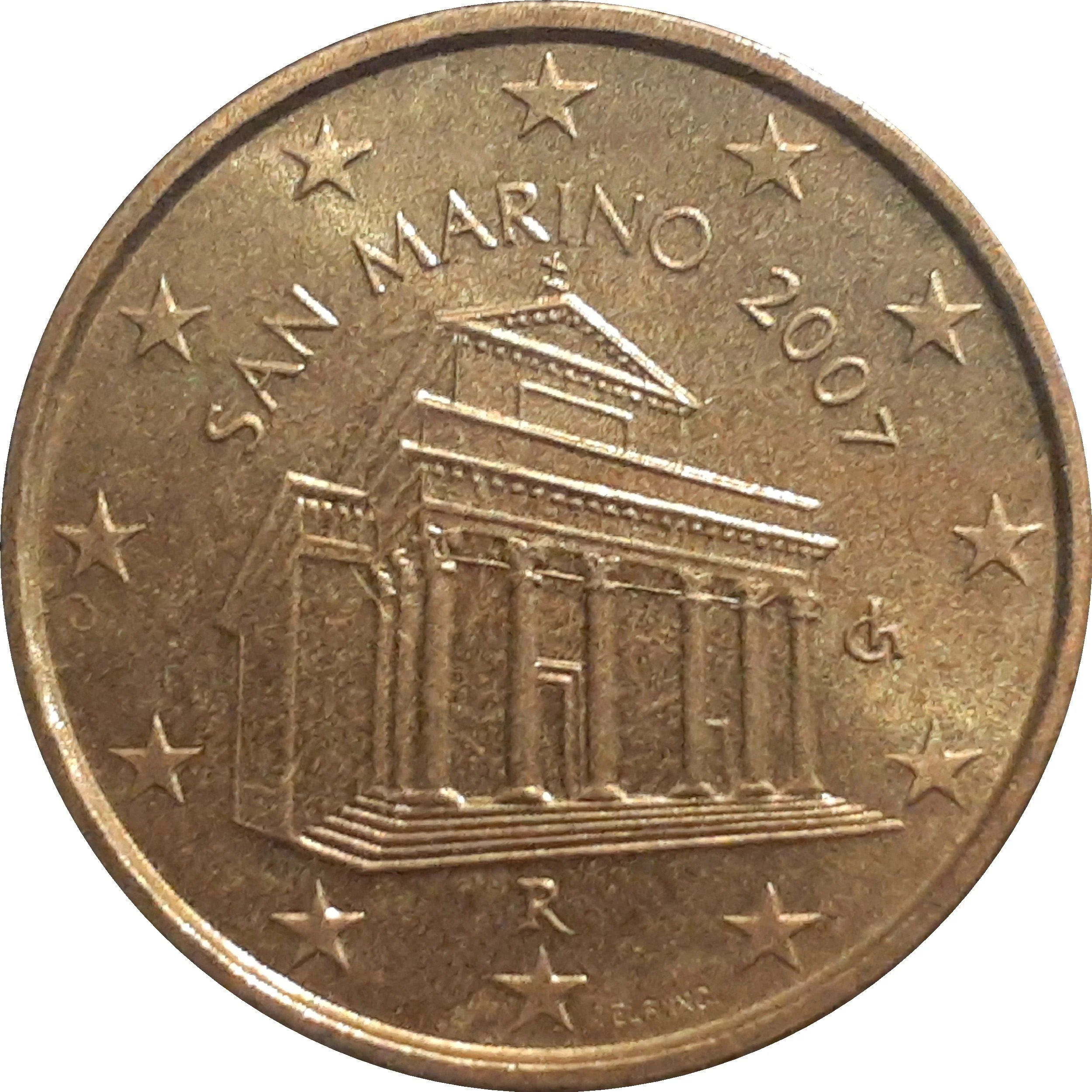
Obverse
Description:
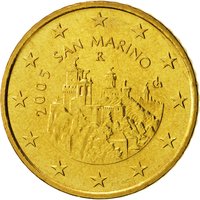
The Basilica of San Marino.
Inscription:
SAN MARINO 2007
Ch
R
ELF INC.
Ch
R
ELF INC.
Script: Latin
Engravers: Frantisek Chochola, Ettore Lorenzo Frapiccini
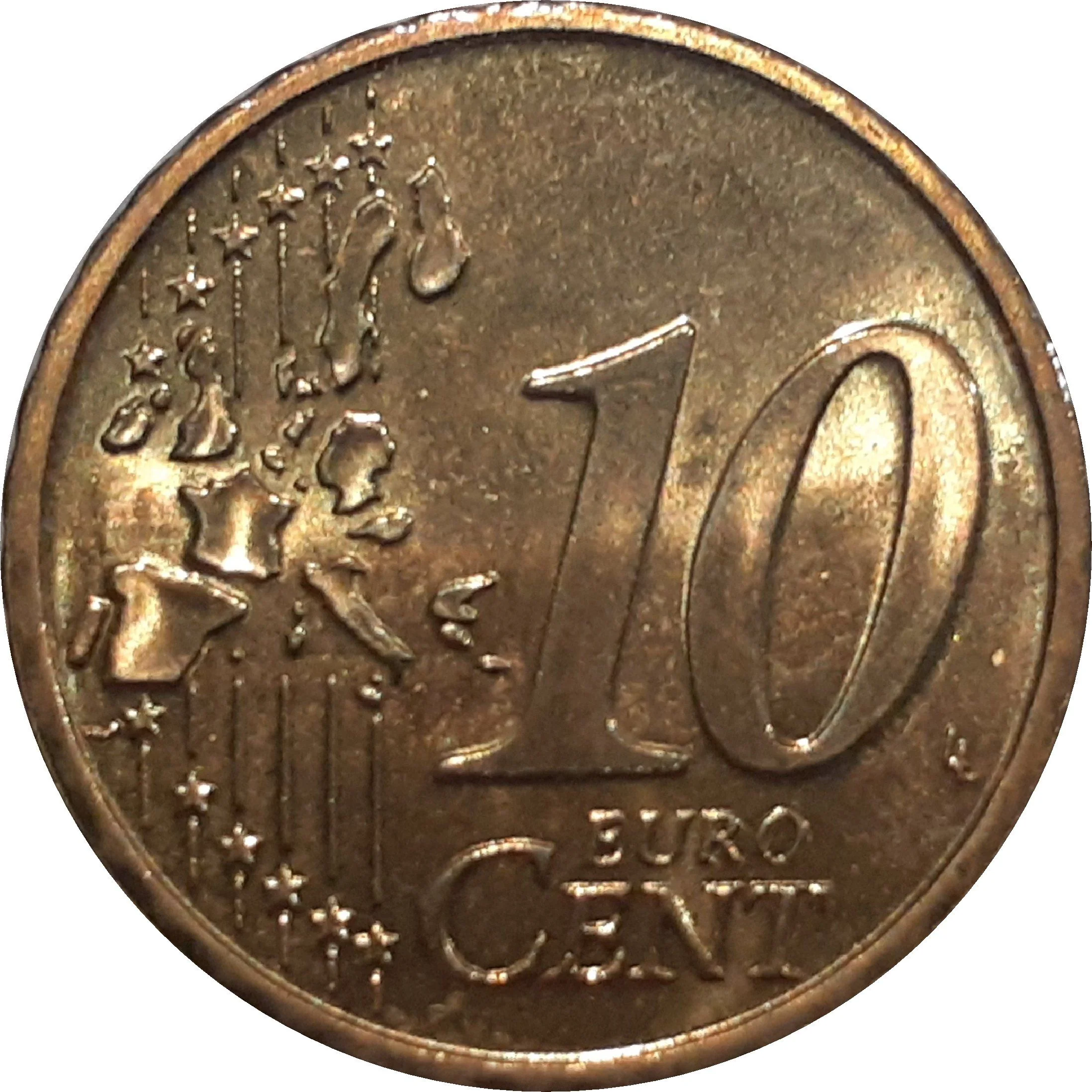
Reverse
Edge
Indented.
Categories
| Building> Religious building |
| Map |
Mints
| Name | Mark |
|---|---|
| Rome | R |
Mintings
Historical background
In 2002, San Marino's currency situation was intrinsically linked to its special relationship with Italy and the broader European Union. While not an EU member state, San Marino had a monetary agreement with Italy dating back decades, which was subsequently updated to align with the introduction of the euro. Consequently, when the euro physically entered circulation on January 1, 2002, in twelve EU nations, it also became the official legal tender of San Marino. This transition was seamless, as the Sammarinese lira had been pegged to the Italian lira, which was itself irrevocably fixed to the euro at a rate of 1,936.27 lire per euro.
A unique feature of San Marino's currency situation was its right to issue its own limited quantity of euro coins. Under a 1998 agreement with the EU (mediated through Italy), the Republic was granted the prerogative to mint its own distinctive national-sided euro coins, which are legal tender throughout the eurozone. These coins, featuring Sammarinese symbols and historical figures, began circulation in 2002 alongside the regular European coins. However, the volume issued was (and remains) strictly capped to meet only local, commemorative, and collector demand, ensuring no disruption to the overall euro money supply.
Therefore, the year 2002 marked a significant but orderly monetary transition for San Marino. It fully adopted the euro, benefiting from the currency's stability and facilitating trade and tourism, while retaining a symbolic element of its sovereignty through its nationally minted coins. The move solidified its de facto economic integration with the Eurozone, particularly with its larger neighbor Italy, without formal EU membership.
A unique feature of San Marino's currency situation was its right to issue its own limited quantity of euro coins. Under a 1998 agreement with the EU (mediated through Italy), the Republic was granted the prerogative to mint its own distinctive national-sided euro coins, which are legal tender throughout the eurozone. These coins, featuring Sammarinese symbols and historical figures, began circulation in 2002 alongside the regular European coins. However, the volume issued was (and remains) strictly capped to meet only local, commemorative, and collector demand, ensuring no disruption to the overall euro money supply.
Therefore, the year 2002 marked a significant but orderly monetary transition for San Marino. It fully adopted the euro, benefiting from the currency's stability and facilitating trade and tourism, while retaining a symbolic element of its sovereignty through its nationally minted coins. The move solidified its de facto economic integration with the Eurozone, particularly with its larger neighbor Italy, without formal EU membership.
🌱 Common