

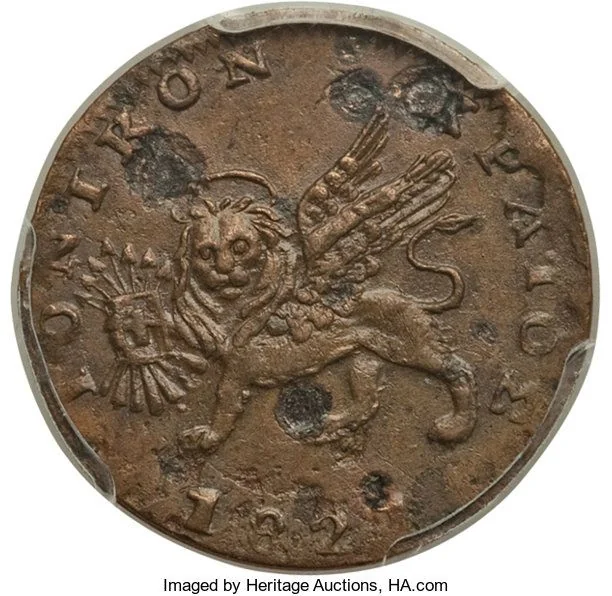
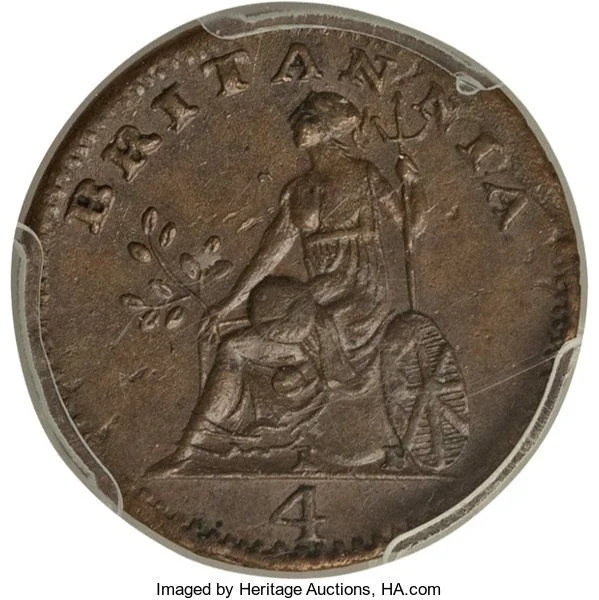
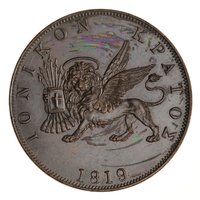
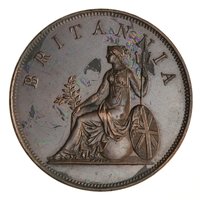
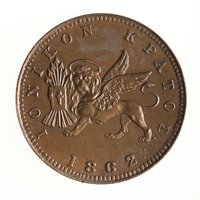
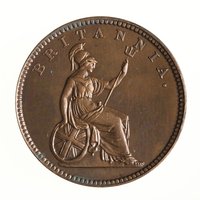
Obverse
Reverse
Edge
Plain
Categories
| Animal> Feline |
| Mythology> Fantastic animal |
| Symbol> Allegory |
| Symbol> Cross |
| Object> Cold weapons |
Mintings
| Year | Mint Mark | Mintage | Quality | Collection |
|---|---|---|---|---|
| 1821 | — | — |
Historical background
Between 1815 and 1864, the United States of the Ionian Islands existed as a British protectorate, a unique political entity comprising seven principal islands off Greece's western coast. By 1821, its monetary landscape was a complex and chaotic tapestry of competing currencies, reflecting its layered history and strategic position. The official currency, mandated by the British administration, was the Spanish dollar (or piece of eight) and its fractional parts. However, this existed alongside a bewildering array of other coins in active circulation, including British sterling, Turkish piastres, Venetian sequins and gazete, and various other European and Ottoman issues, each valued through a published tariff of exchange.
This monetary pluralism was a direct legacy of centuries of Venetian rule, followed by brief periods of French and Russo-Ottoman control, which had left their respective coins in public hands. The outbreak of the Greek War of Independence in 1821 intensified this complexity. The Ionian Islands, particularly Cephalonia and Ithaca, became crucial supply bases and havens for Greek revolutionaries, leading to a massive influx of people, trade, and contraband. This surge in activity brought in even more foreign coinage and increased the demand for reliable specie, straining the existing system.
Consequently, the Ionian economy in 1821 suffered from chronic instability. Exchange rates between the myriad coins fluctuated wildly, facilitating fraud and causing significant confusion in daily commerce. While the British authorities issued proclamations to standardize values, their control was imperfect, and the market often dictated actual worth. This dysfunctional currency situation mirrored the protectorate's broader political tensions, caught between British colonial management, the strong Philhellenic sentiments of the local population, and the gravitational pull of the revolutionary fervor just miles away on the Greek mainland.
This monetary pluralism was a direct legacy of centuries of Venetian rule, followed by brief periods of French and Russo-Ottoman control, which had left their respective coins in public hands. The outbreak of the Greek War of Independence in 1821 intensified this complexity. The Ionian Islands, particularly Cephalonia and Ithaca, became crucial supply bases and havens for Greek revolutionaries, leading to a massive influx of people, trade, and contraband. This surge in activity brought in even more foreign coinage and increased the demand for reliable specie, straining the existing system.
Consequently, the Ionian economy in 1821 suffered from chronic instability. Exchange rates between the myriad coins fluctuated wildly, facilitating fraud and causing significant confusion in daily commerce. While the British authorities issued proclamations to standardize values, their control was imperfect, and the market often dictated actual worth. This dysfunctional currency situation mirrored the protectorate's broader political tensions, caught between British colonial management, the strong Philhellenic sentiments of the local population, and the gravitational pull of the revolutionary fervor just miles away on the Greek mainland.
💎 Extremely Rare