

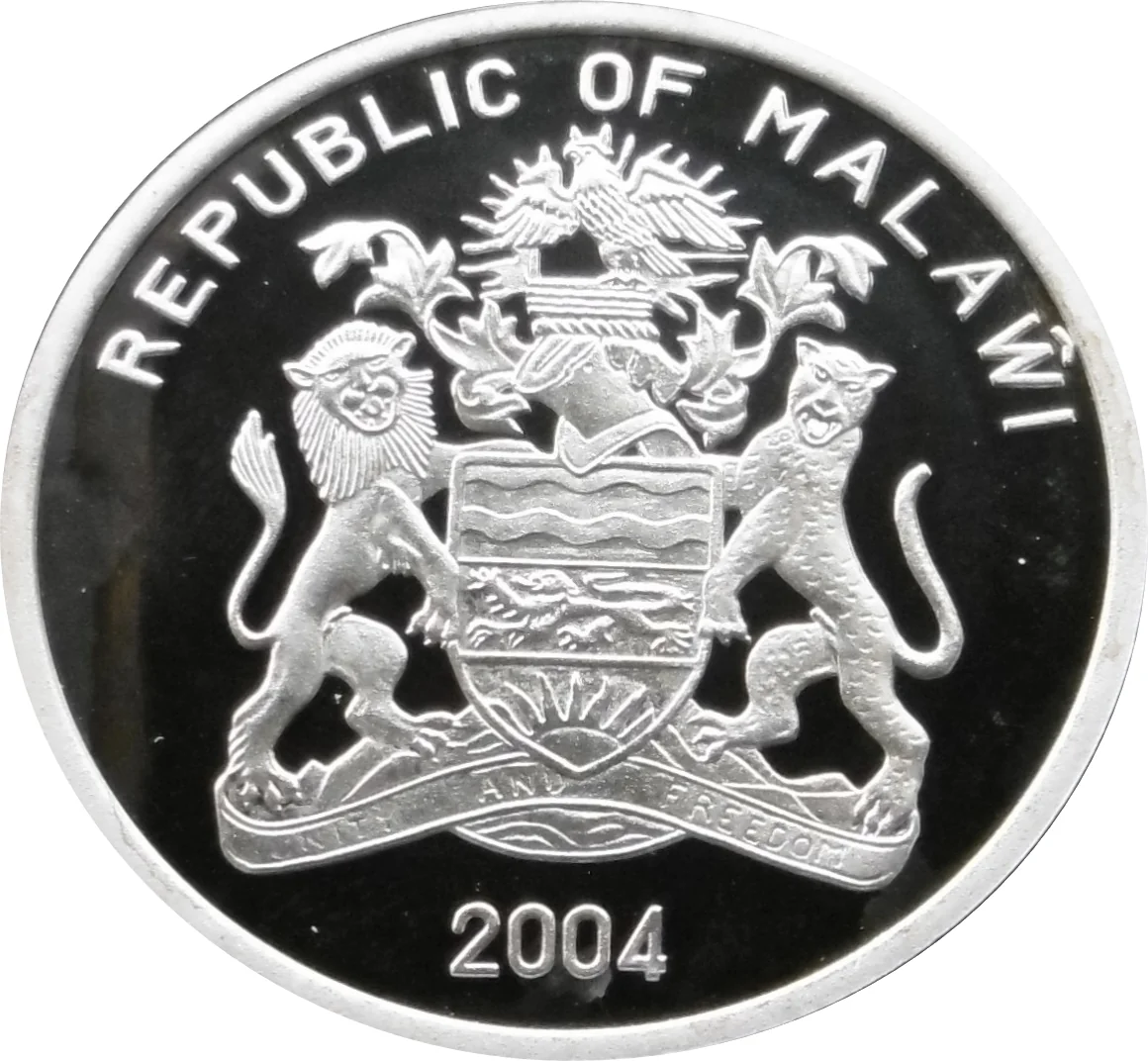
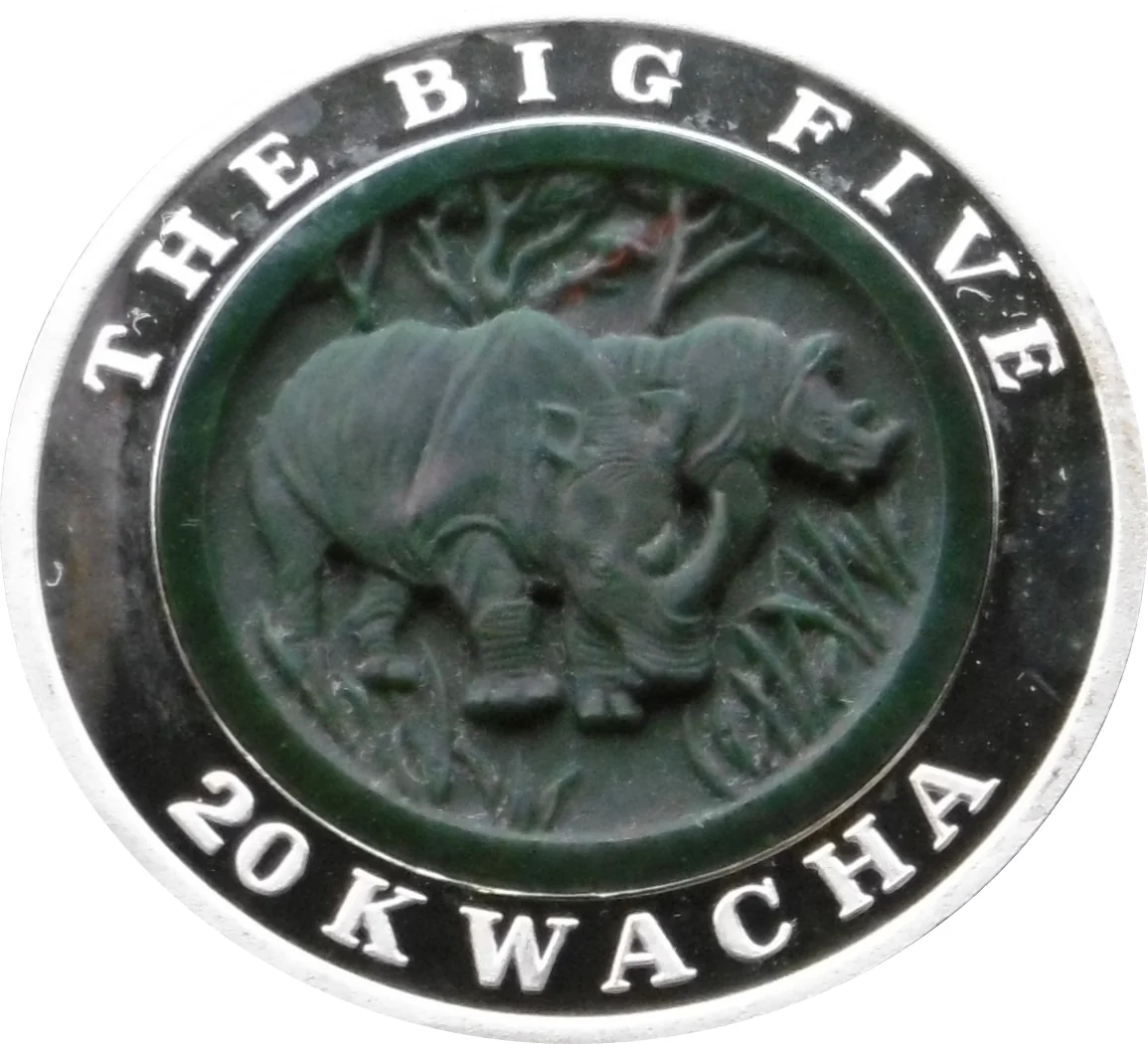
20 Kwacha – Malawi
Non-circulating coins
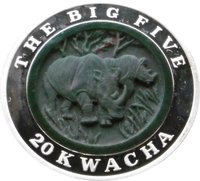
Series: The big Five
Malawi
Context
Material
Diameter: 38.6 mm
Weight: 31.1 g
Silver weight: 31.07 g
Shape: Round
Composition: 99.9% Silver
Standard: Silver ounce
Magnetic: No
Technique: Milled
Alignment: Medal alignment
flip
References
KM: #Click to copy to clipboard70
Numista: #197868
Value
Exchange value: 20 MWK
Bullion value: $87.17
Obverse
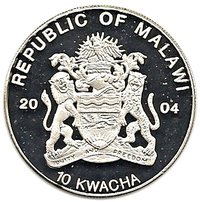
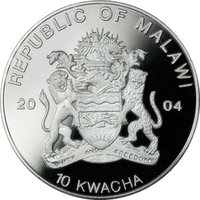
Reverse
Edge
Plain
Categories
| Symbols> Coat of Arms |
Mintings
| Year | Mint Mark | Mintage | Quality | Collection |
|---|---|---|---|---|
| 2004 | — | 3,000 | Proof |
Historical background
In 2004, Malawi's currency situation was characterized by a heavily managed exchange rate and mounting macroeconomic pressures. The Malawian Kwacha (MWK) was officially pegged to the US dollar, but this peg was widely seen as overvalued and unsustainable. This artificial strength, maintained by the Reserve Bank of Malawi (RBM), created a significant parallel (black) market where the kwacha traded at a much weaker rate, sometimes at a premium of over 30%. This disparity led to severe foreign exchange shortages, crippling businesses that needed dollars for imports of essential goods like fuel, medicine, and fertilizer.
The root causes of this crisis were multifaceted. Years of loose fiscal and monetary policy, coupled with a series of poor harvests, had fueled high inflation and depleted foreign reserves. Donor aid, a critical source of foreign exchange, had been suspended since 2001 due to governance concerns under President Bakili Muluzi's administration, exacerbating the shortage. The overvalued official exchange rate also discouraged exports, particularly of the country's main foreign exchange earner, tobacco, further weakening the balance of payments.
Consequently, the economy was in a state of stagnation with high inflation eroding purchasing power. The unsustainable currency regime was a central issue in economic policy debates, with the International Monetary Fund (IMF) and other donors persistently advocating for a substantial devaluation and a move to a market-determined exchange rate as a precondition for resuming vital budget support. This set the stage for a major policy shift that would occur the following year, in 2005, when the new president, Bingu wa Mutharika, implemented a historic 17% devaluation.
The root causes of this crisis were multifaceted. Years of loose fiscal and monetary policy, coupled with a series of poor harvests, had fueled high inflation and depleted foreign reserves. Donor aid, a critical source of foreign exchange, had been suspended since 2001 due to governance concerns under President Bakili Muluzi's administration, exacerbating the shortage. The overvalued official exchange rate also discouraged exports, particularly of the country's main foreign exchange earner, tobacco, further weakening the balance of payments.
Consequently, the economy was in a state of stagnation with high inflation eroding purchasing power. The unsustainable currency regime was a central issue in economic policy debates, with the International Monetary Fund (IMF) and other donors persistently advocating for a substantial devaluation and a move to a market-determined exchange rate as a precondition for resuming vital budget support. This set the stage for a major policy shift that would occur the following year, in 2005, when the new president, Bingu wa Mutharika, implemented a historic 17% devaluation.
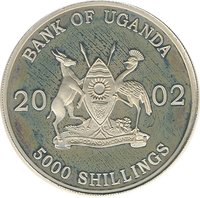
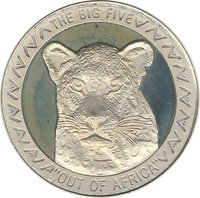
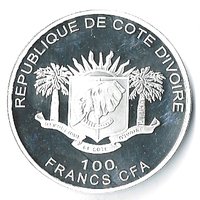
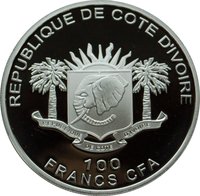
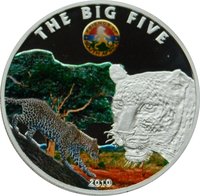
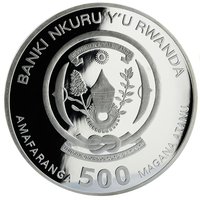
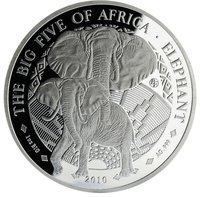
Series: The big Five




✨ Legendary