

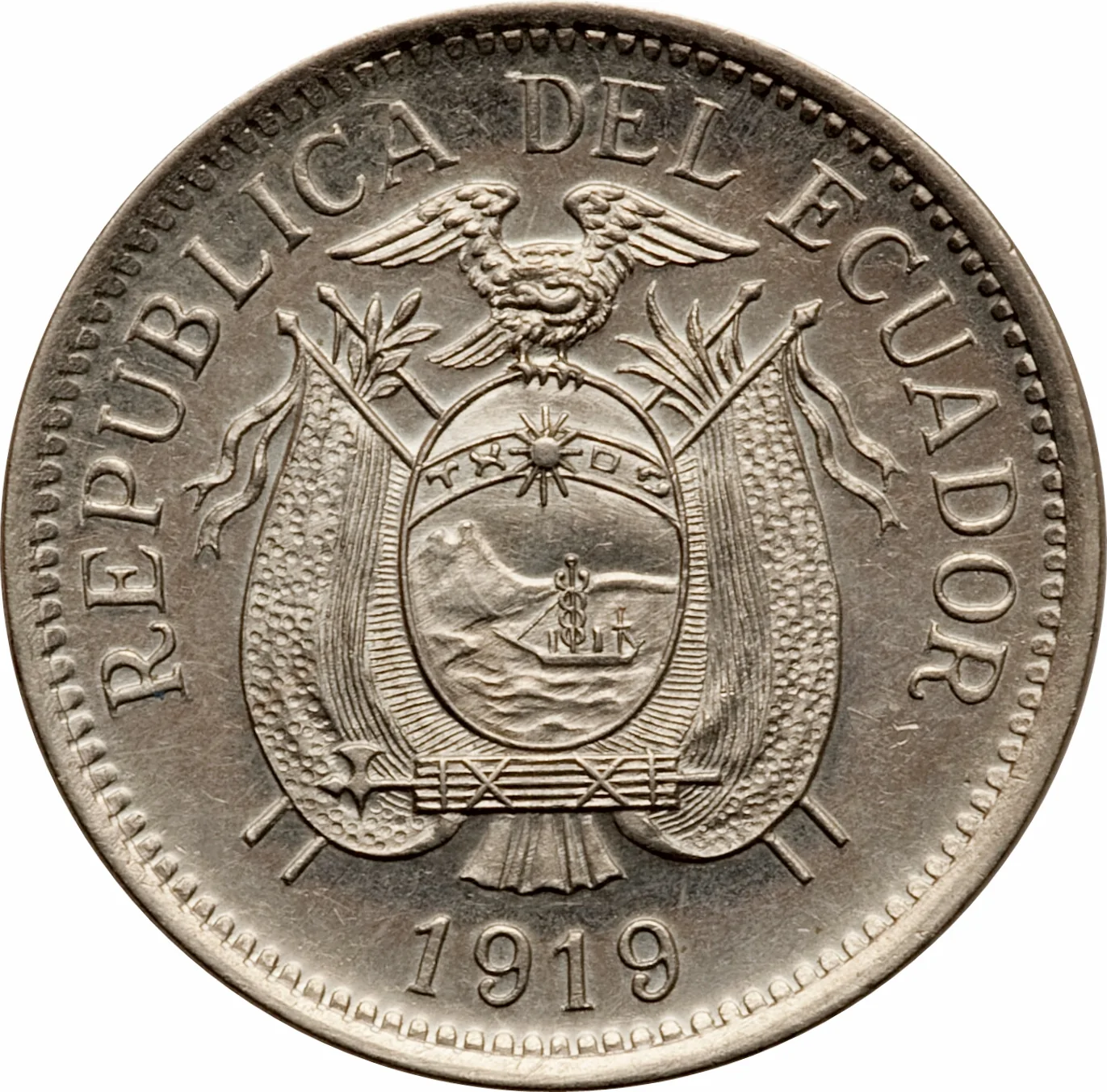
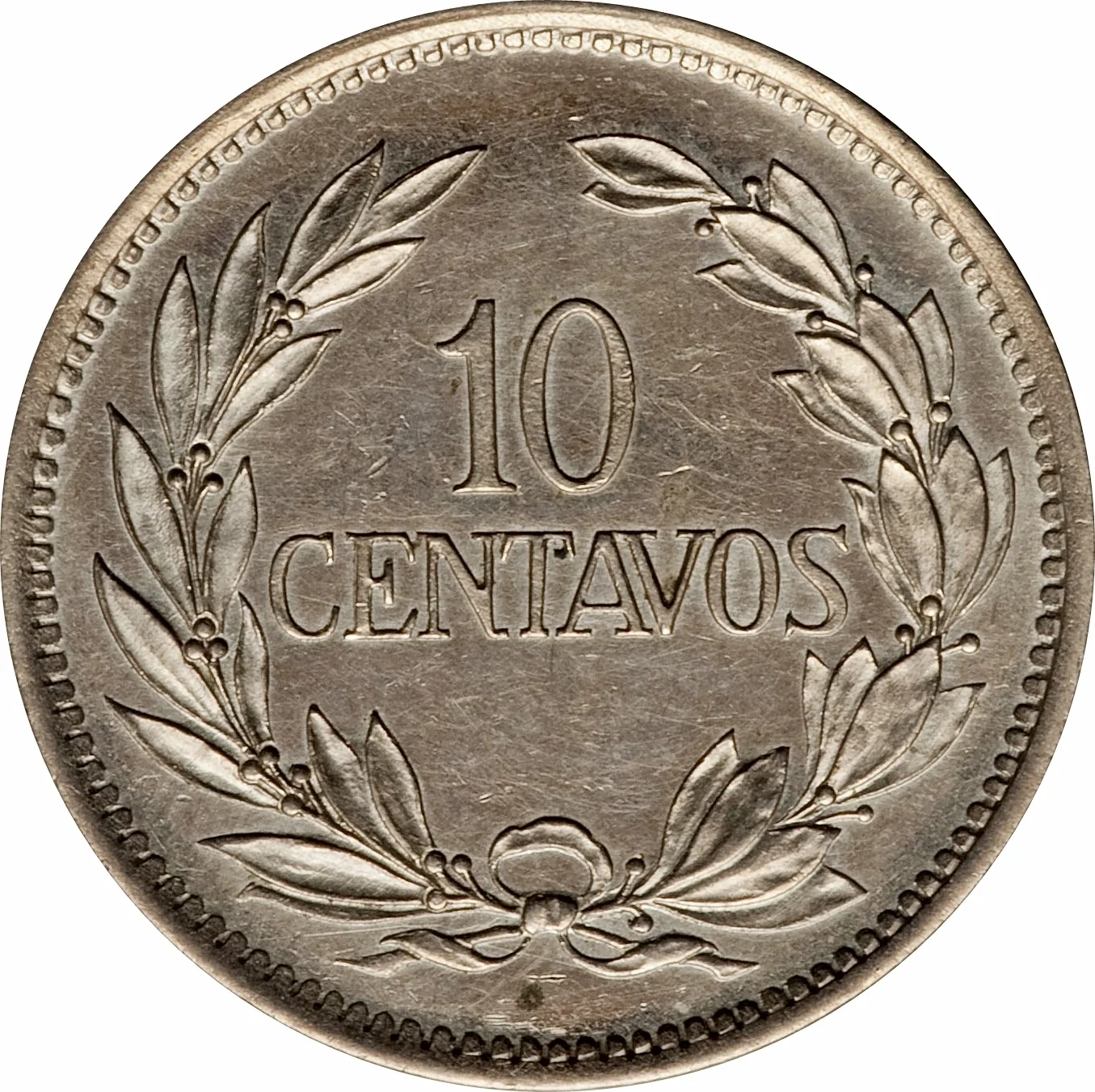
10 centavos – Ecuador
Add to wishlist
Ecuador
Context
Material
Diameter: 24 mm
Weight: 4.9 g
Thickness: 1.45 mm
Shape: Round
Composition: Copper-nickel
Technique: Milled
Alignment: Coin alignment
flip
References
KM: #
Numista: #19685
Value
Exchange value: 0.10 ECS
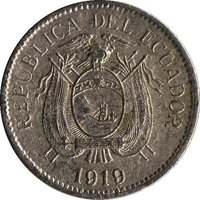
Obverse
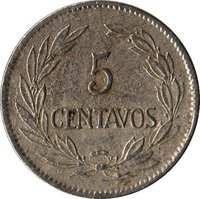
Reverse
Edge
Plain
Categories
| Symbols> Coat of Arms |
Mints
| Name | Mark |
|---|---|
| Gorham Manufacturing Company | — |
Mintings
| Year | Mint Mark | Mintage | Quality | Collection |
|---|---|---|---|---|
| 1919 | — | — | Proof | |
| 1919 | — | 2,000,000 |
Historical background
In 1919, Ecuador's currency situation was characterized by significant instability and inflationary pressures, rooted in the nation's adoption of the "sucre" as its official currency in 1884. The country operated on a silver standard, but global economic disruptions from World War I (1914-1918) had severely impacted its export-driven economy, which relied heavily on cacao. While the war initially brought a boom due to high demand, the post-war period saw a sharp decline in cacao prices and a devastating spread of fungal diseases (witch's broom and frosty pod rot) through the plantations. This collapse of its primary export crippled Ecuador's ability to earn foreign exchange, depleting reserves needed to back the currency.
The fiscal position of the government was dire. To finance deficits, successive administrations increasingly resorted to printing money without sufficient metallic backing, leading to a steady devaluation of the sucre against gold-backed currencies like the US dollar. This period marked the beginning of a chronic cycle of inflation and currency weakness that would plague Ecuador for decades. The money in circulation was a mixture of silver coins, which held intrinsic value, and paper banknotes, whose public trust was eroding as their purchasing power fell.
Consequently, 1919 fell within a critical transitional phase of monetary deterioration. The tangible link to silver was weakening, and the country was moving towards a de facto fiduciary system (paper money based on government decree rather than specie). This instability created uncertainty for both domestic commerce and international trade, setting the stage for the more severe economic crises and currency devaluations that would define Ecuador's 20th century, ultimately culminating in the dollarization of the economy in the year 2000.
The fiscal position of the government was dire. To finance deficits, successive administrations increasingly resorted to printing money without sufficient metallic backing, leading to a steady devaluation of the sucre against gold-backed currencies like the US dollar. This period marked the beginning of a chronic cycle of inflation and currency weakness that would plague Ecuador for decades. The money in circulation was a mixture of silver coins, which held intrinsic value, and paper banknotes, whose public trust was eroding as their purchasing power fell.
Consequently, 1919 fell within a critical transitional phase of monetary deterioration. The tangible link to silver was weakening, and the country was moving towards a de facto fiduciary system (paper money based on government decree rather than specie). This instability created uncertainty for both domestic commerce and international trade, setting the stage for the more severe economic crises and currency devaluations that would define Ecuador's 20th century, ultimately culminating in the dollarization of the economy in the year 2000.
🌱 Fairly Common