

⅛ Guilder – Demerara and Essequibo
Guyana
Context
Years: 1832–1835
Country: Guyana 
Issuer: Demerara and Essequibo
Ruler: William IV
Currency:
Demonetized: Yes
Total mintage: 169,000
Material
References
KM: #Click to copy to clipboard16
Numista: #19588
Value
Bullion value: $2.30
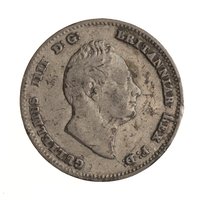
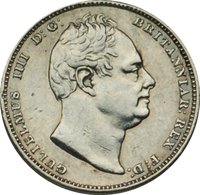
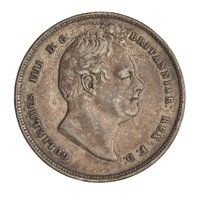
Obverse
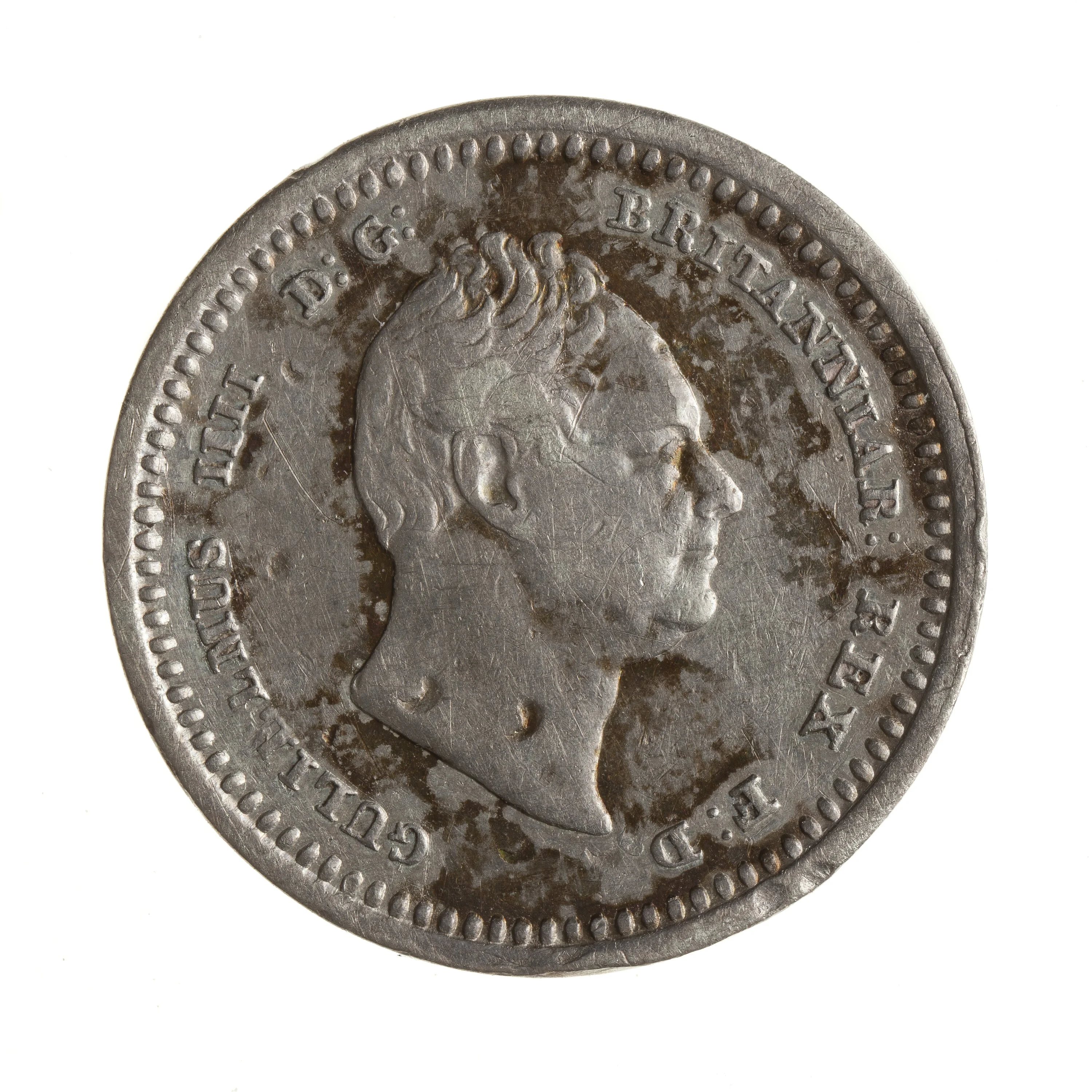
Description:
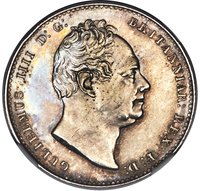
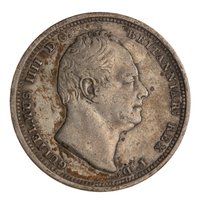
Right-facing bust
Inscription:
GULIELMUS IIII D: G: BRITANNIAR: REX F: D:
Translation:
William IV by the Grace of God King of the Britains Defender of the Faith
Script: Latin
Language: Latin
Engraver: William Wyon
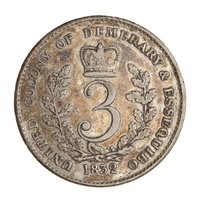
Reverse
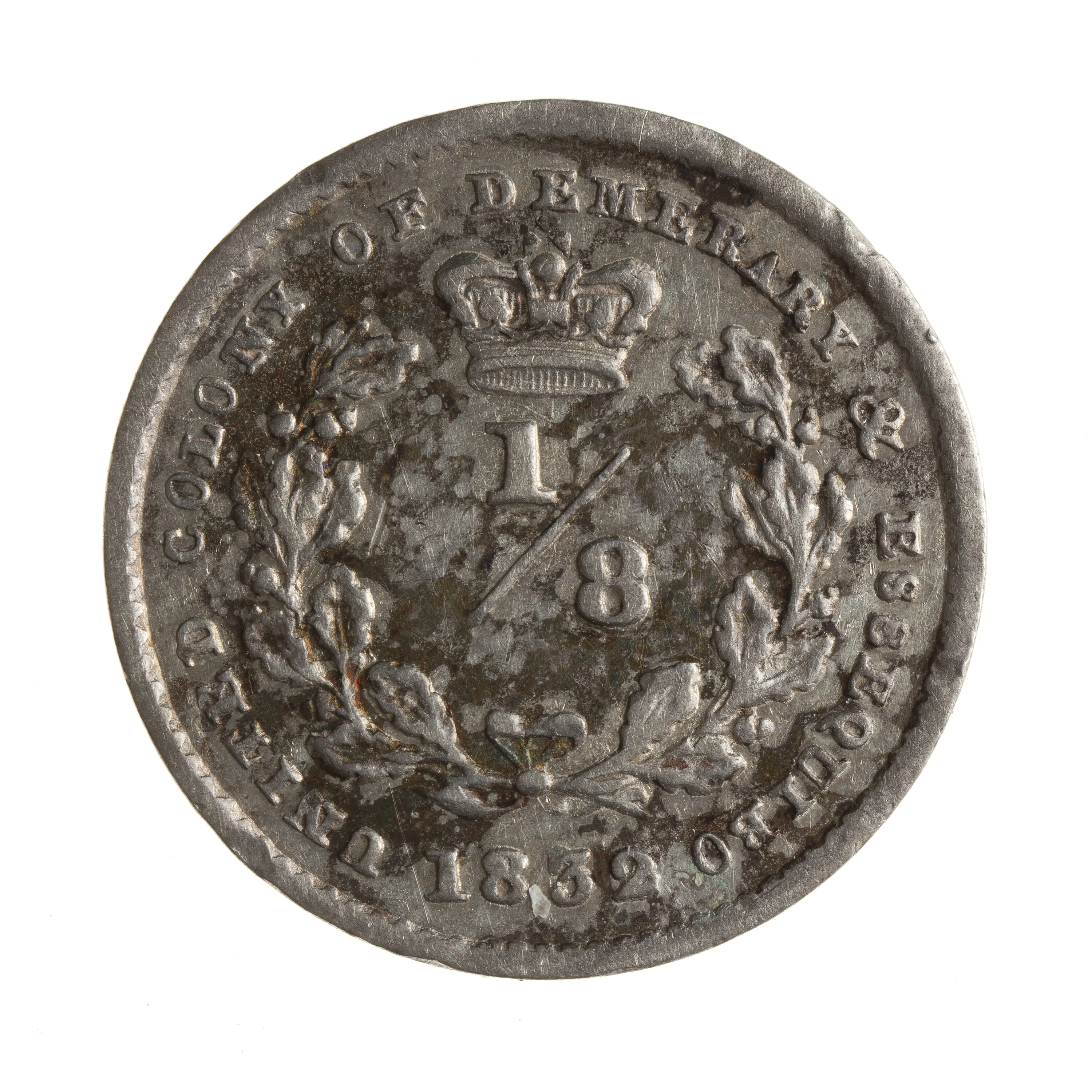
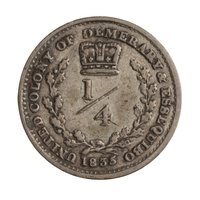
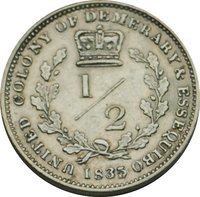
Description:
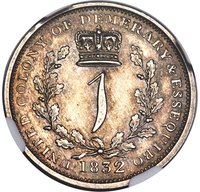
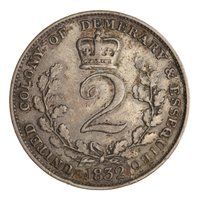
Wreath denomination
Inscription:
UNITED COLONY OF DEMERARY & ESSEQUIBO
1/8
1832
1/8
1832
Script: Latin
Edge
Plain
Mints
| Name | Mark |
|---|---|
| Royal Mint (Tower Hill) | — |
Mintings
| Year | Mint Mark | Mintage | Quality | Collection |
|---|---|---|---|---|
| 1832 | — | 98,000 | ||
| 1832 | — | — | Proof | |
| 1835 | — | 71,000 |
Historical background
In 1832, the colonies of Demerara and Essequibo (officially united as British Guiana since 1831) faced a severe and complex currency crisis rooted in the region's colonial economic structure. The local economy, heavily dependent on the sugar plantation system and slave labour, operated with a confusing multiplicity of currencies. These included Spanish silver dollars, Dutch guilders, and British coins, but the most prevalent and problematic was the system of "paper money" issued by local plantation banks and merchant houses. This privately issued currency was notoriously unstable, often becoming worthless if the issuing entity failed, creating chronic uncertainty for all transactions.
The crisis was exacerbated by the British imperial policy following the 1825 order-in-council, which aimed to standardize sterling throughout the Empire. This order made British silver coin the only legal tender, but failed to supply the colony with adequate quantities of hard currency. Consequently, a severe shortage of specie (coin) crippled daily commerce. Wages, even for the small free population, and payments for supplies were difficult to make, while the abundant plantation paper money circulated at a steep and fluctuating discount against sterling, harming smaller merchants and freeholders.
This unstable monetary environment occurred amidst the looming end of slavery, which was enacted by the British Parliament in 1833 to take effect in 1834. The impending emancipation intensified the currency anxieties, as planters feared the collapse of the credit system that underpinned their operations and as the colonial government grappled with how to establish a stable wage-based economy. Thus, in 1832, the currency situation was not merely a financial inconvenience but a profound symptom of a slave-based colony in traumatic transition, threatening both economic viability and social order.
The crisis was exacerbated by the British imperial policy following the 1825 order-in-council, which aimed to standardize sterling throughout the Empire. This order made British silver coin the only legal tender, but failed to supply the colony with adequate quantities of hard currency. Consequently, a severe shortage of specie (coin) crippled daily commerce. Wages, even for the small free population, and payments for supplies were difficult to make, while the abundant plantation paper money circulated at a steep and fluctuating discount against sterling, harming smaller merchants and freeholders.
This unstable monetary environment occurred amidst the looming end of slavery, which was enacted by the British Parliament in 1833 to take effect in 1834. The impending emancipation intensified the currency anxieties, as planters feared the collapse of the credit system that underpinned their operations and as the colonial government grappled with how to establish a stable wage-based economy. Thus, in 1832, the currency situation was not merely a financial inconvenience but a profound symptom of a slave-based colony in traumatic transition, threatening both economic viability and social order.
⭐ Rare