

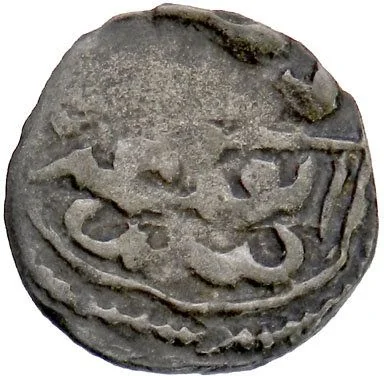
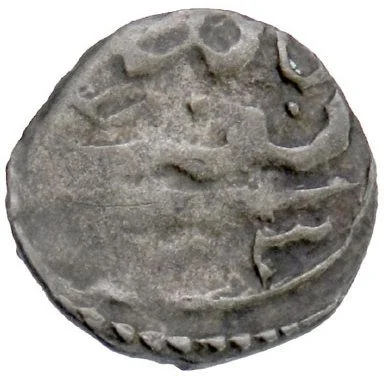
1 para – Sheikhdom of Abu ʽArish
Add to wishlist
Yemen
Context
Years: 1807–1812
Country: Yemen
Issuer: Sheikhdom of Abu ʽArish
Currency:
(1802—1818)
Demonetized: Yes
Material
References
KM: #
Numista: #195814
Mintings
| Year | Mint Mark | Mintage | Quality | Collection |
|---|---|---|---|---|
| 1807 | — | — | ||
| 1812 | — | — |
Historical background
In 1807, the currency situation in the Sheikhdom of Abu ʽArish, a small but strategically significant polity on the southern Red Sea coast (in modern-day southwestern Saudi Arabia), was defined by its role as a commercial intermediary. The sheikhdom’s economy was sustained by its port, Jizan, which served as a key node in regional trade networks connecting the Arabian interior, the Horn of Africa, and Indian Ocean maritime routes. Consequently, its monetary environment was not one of a unified, state-issued currency, but a diverse and practical bazaar of circulating media of exchange.
The most common currencies in daily use were foreign silver coins, reflecting the sheikhdom's embeddedness in broader economic systems. The dominant coin was the Austrian Maria Theresa thaler (MT$), prized across the Red Sea region and the Middle East for its consistent silver content and recognizable design. Alongside it, various Ottoman and Yemeni coinage, particularly the qirsh, circulated actively. These coins arrived via trade, tribute, and payments for the coffee, incense, hides, and other goods flowing through Abu ʽArish's markets. The value of these coins was determined by their intrinsic silver weight and their condition, assessed by local money changers (sarrafs).
This fragmented system meant the sheikhdom lacked a formal mint or a standardized national currency. Monetary authority was decentralized, resting with merchant houses and the ruling sheikh’s ability to tax trade and guarantee the security of the marketplace. The currency situation in 1807 was thus a direct reflection of Abu ʽArish’s political reality: a semi-autonomous entity navigating the waning influence of the Ottoman Empire and the rising power of the Wahhabi-backed First Saudi State, with its economy and coinage dependent on the ebb and flow of regional commerce rather than sovereign monetary policy.
The most common currencies in daily use were foreign silver coins, reflecting the sheikhdom's embeddedness in broader economic systems. The dominant coin was the Austrian Maria Theresa thaler (MT$), prized across the Red Sea region and the Middle East for its consistent silver content and recognizable design. Alongside it, various Ottoman and Yemeni coinage, particularly the qirsh, circulated actively. These coins arrived via trade, tribute, and payments for the coffee, incense, hides, and other goods flowing through Abu ʽArish's markets. The value of these coins was determined by their intrinsic silver weight and their condition, assessed by local money changers (sarrafs).
This fragmented system meant the sheikhdom lacked a formal mint or a standardized national currency. Monetary authority was decentralized, resting with merchant houses and the ruling sheikh’s ability to tax trade and guarantee the security of the marketplace. The currency situation in 1807 was thus a direct reflection of Abu ʽArish’s political reality: a semi-autonomous entity navigating the waning influence of the Ottoman Empire and the rising power of the Wahhabi-backed First Saudi State, with its economy and coinage dependent on the ebb and flow of regional commerce rather than sovereign monetary policy.
✨ Legendary