

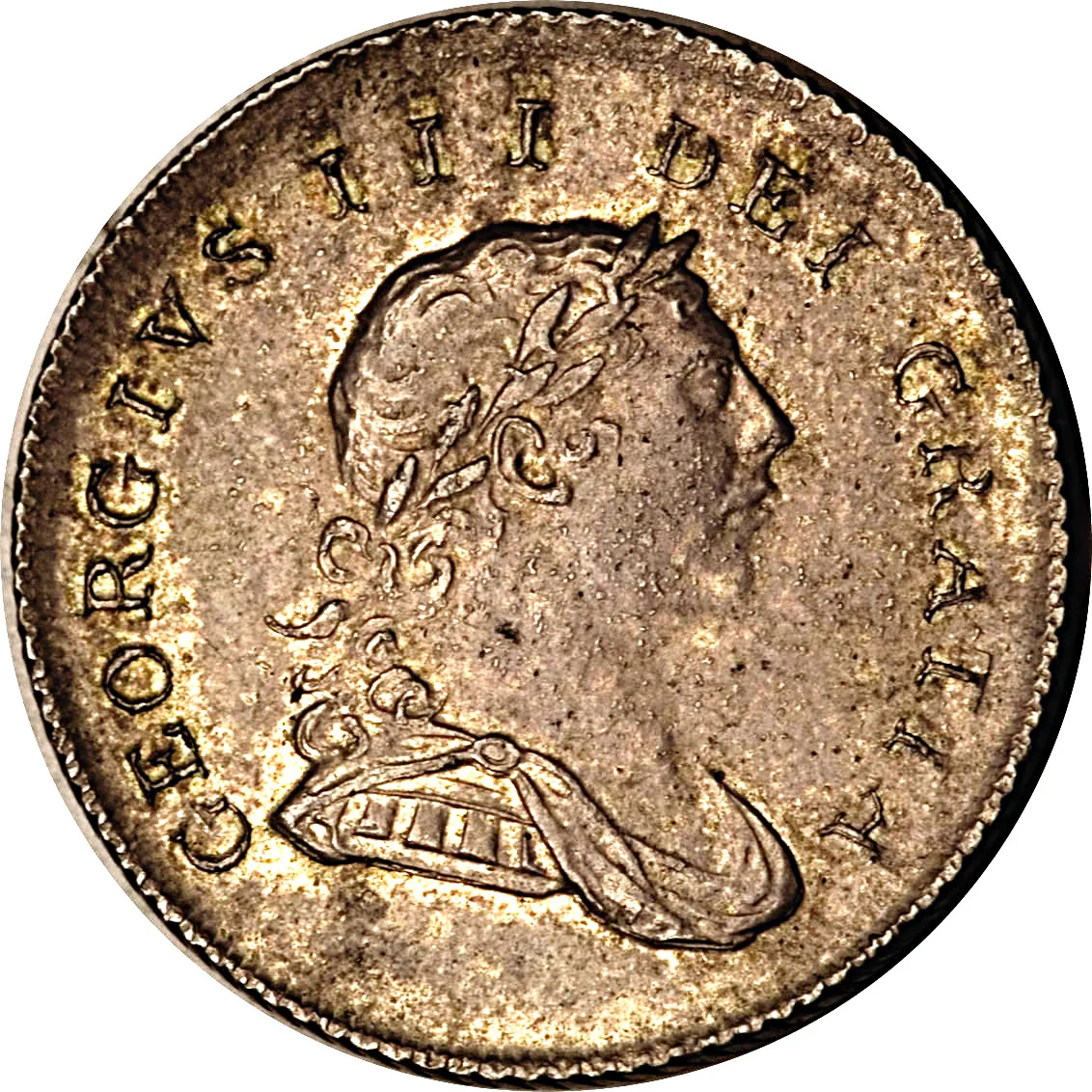
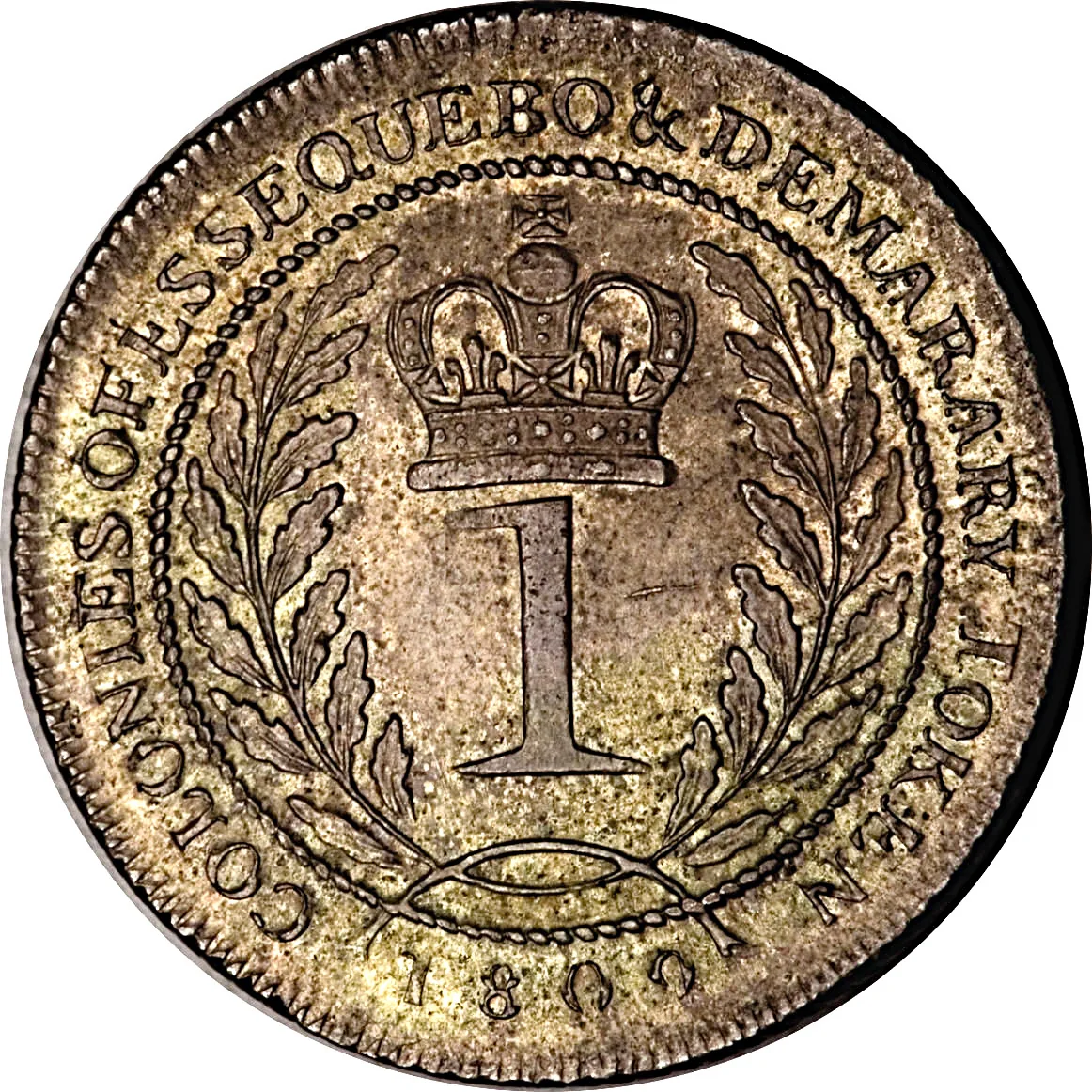
1 guilder – Demerara and Essequibo
Add to wishlist
Guyana
Context
Year: 1809
Country: Guyana
Issuer: Demerara and Essequibo
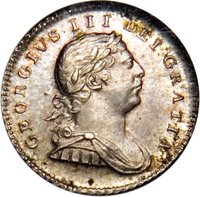
Ruler: George III
Currency:
Demonetized: Yes
Total mintage: 32,000
Material
Diameter: 25 mm
Weight: 7.77 g
Silver Weight:: 6.34 g
Thickness: 1.5 mm
Shape: Round
Composition: 81.6% Silver
Standard: Silver quarter ounce
Magnetic: No
Technique: Milled
Alignment: Medal alignment
flip
References
KM: #
Numista: #19579
Value
Bullion value: $16.07
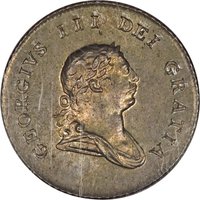
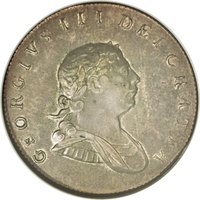
Obverse
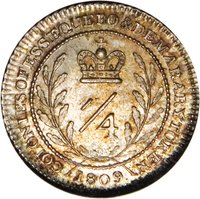
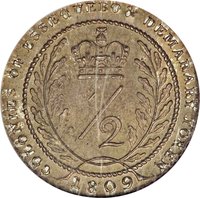
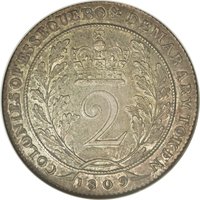
Reverse
Description:
Wreath denomination
Inscription:
COLONIES OF ESSEQUEBO & DEMERARY TOKEN
1
1809
1
1809
Script: Latin
Edge
Plain
Mints
| Name | Mark |
|---|---|
| Royal Mint (Tower of London) | — |
Mintings
| Year | Mint Mark | Mintage | Quality | Collection |
|---|---|---|---|---|
| 1809 | — | 32,000 |
Historical background
In 1809, the colonies of Demerara and Essequibo (formally united as the Colony of Demerara and Essequibo in 1812) were under British occupation, a status that had begun in 1803 and was made permanent by the Anglo-Dutch Treaty of 1814. This transitional period created a complex currency situation. The official unit of account remained the Dutch guilder, reflecting the colonies' long history under the Dutch West India Company, but the physical currency in circulation was a chaotic mixture of Spanish silver dollars (pieces of eight), Portuguese gold joes, British guineas, and local paper money issued by planters and merchants.
This monetary chaos was a direct impediment to the booming sugar and cotton plantation economy, which relied on enslaved African labour and international trade. The shortage of reliable specie (coin) led to a heavy dependence on promissory notes and bills of exchange, creating a fragile credit system. Furthermore, the varying exchange rates between the multitude of coins and the unit of account caused confusion and facilitated fraud, hampering both daily commerce and government revenue collection.
Recognising this as a critical administrative and economic problem, the local British authorities took steps toward reform. In 1809, they began the process of formally demonetising the wide array of foreign coins and moving to standardise the currency on a British sterling basis. This culminated in a proclamation of 1813 that established the Spanish dollar as the principal legal tender at a fixed rate, a crucial step in simplifying the monetary system to better integrate the colonies into the British commercial empire and stabilise the plantation economy.
This monetary chaos was a direct impediment to the booming sugar and cotton plantation economy, which relied on enslaved African labour and international trade. The shortage of reliable specie (coin) led to a heavy dependence on promissory notes and bills of exchange, creating a fragile credit system. Furthermore, the varying exchange rates between the multitude of coins and the unit of account caused confusion and facilitated fraud, hampering both daily commerce and government revenue collection.
Recognising this as a critical administrative and economic problem, the local British authorities took steps toward reform. In 1809, they began the process of formally demonetising the wide array of foreign coins and moving to standardise the currency on a British sterling basis. This culminated in a proclamation of 1813 that established the Spanish dollar as the principal legal tender at a fixed rate, a crucial step in simplifying the monetary system to better integrate the colonies into the British commercial empire and stabilise the plantation economy.
💎 Extremely Rare