

4 Pence – British Guiana
Guyana
Context
Years: 1917–1936
Country: Guyana 
Issuer: British Guiana
Ruler: George V
Currency:
(1840—1954)
Demonetized: Yes
Total mintage: 558,000
Material
References
KM: #Click to copy to clipboard29
Numista: #19570
Value
Bullion value: $5.06
Obverse
Description:
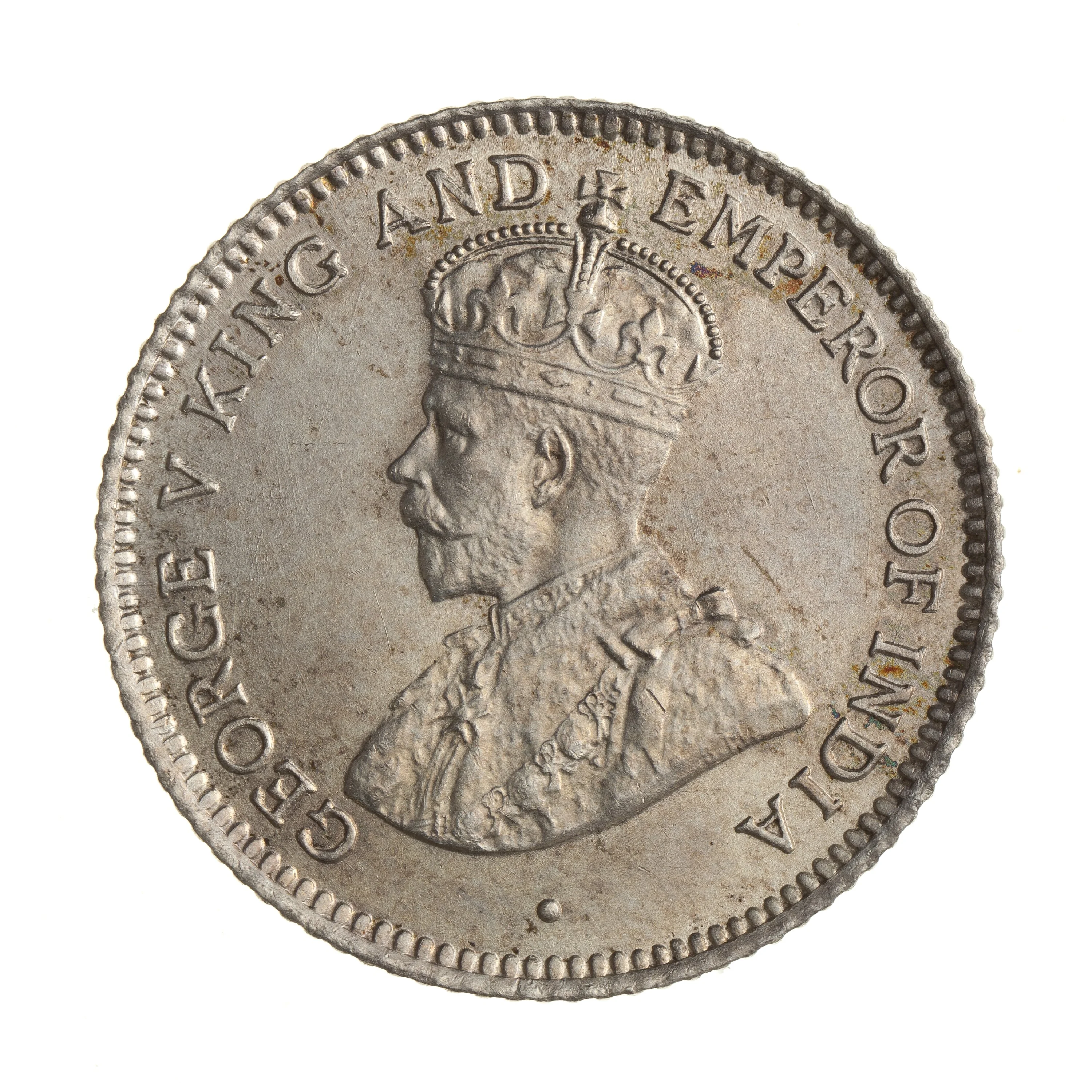
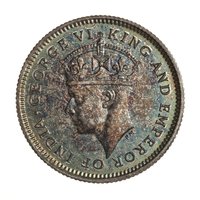
George V left-facing bust
Inscription:
GEORGE V KING AND EMPEROR OF INDIA
Translation:
GEORGE V KING AND EMPEROR OF INDIA
Script: Latin
Language: English
Engraver: Edgar Bertram MacKennal
Reverse
Description:
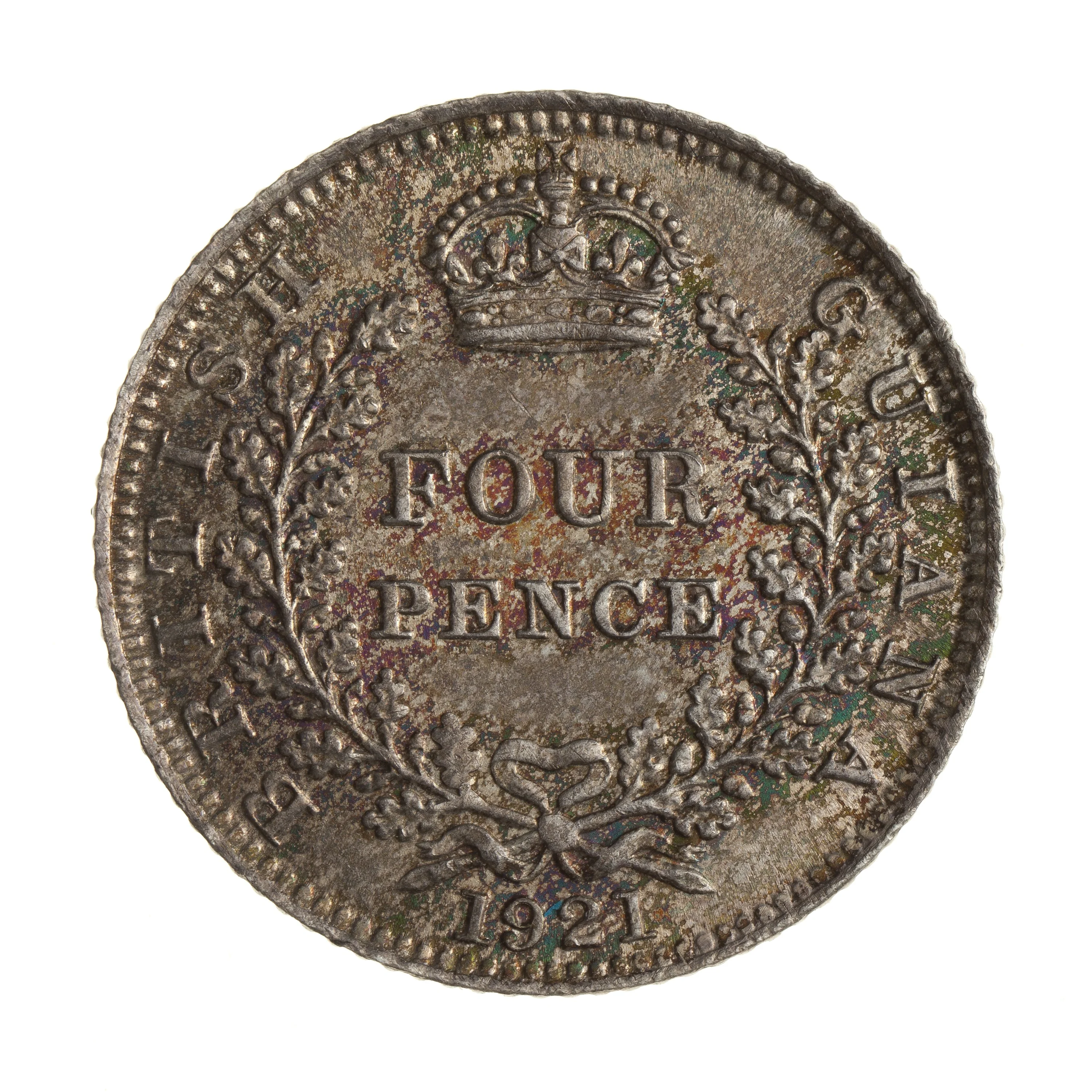
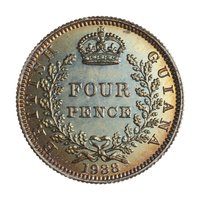
Crown above oak branches framing the denomination, tied below.
Inscription:
BRITISH GUIANA
FOUR
PENCE
1921
FOUR
PENCE
1921
Script: Latin
Edge
Reeded
Mints
| Name | Mark |
|---|---|
| Royal Mint (Tower Hill) | — |
Mintings
| Year | Mint Mark | Mintage | Quality | Collection |
|---|---|---|---|---|
| 1917 | — | — | Matte | |
| 1917 | — | 72,000 | ||
| 1917 | — | — | Proof | |
| 1918 | — | 210,000 | ||
| 1921 | — | 90,000 | ||
| 1923 | — | 12,000 | ||
| 1925 | — | 30,000 | ||
| 1926 | — | 30,000 | ||
| 1931 | — | 15,000 | ||
| 1931 | — | — | Proof | |
| 1935 | — | 36,000 | ||
| 1935 | — | — | Proof | |
| 1936 | — | 63,000 | ||
| 1936 | — | — | Proof |
Historical background
In 1917, British Guiana’s currency situation was defined by its position as a colony within the British sterling area, operating under a currency board system. The local currency was the British Guiana dollar, fixed at a rate of 4 shillings and 2 pence sterling (or $4.80 to £1). This dollar was not a fiat currency but a sterling exchange standard, meaning its value was fully backed by gold and sterling reserves held in London. The colony’s money supply was therefore directly tied to its balance of payments; a surplus increased the currency in circulation, while a deficit contracted it.
The First World War profoundly impacted this system. The conflict disrupted normal trade flows and shipping, affecting the colony’s key sugar and bauxite exports. This created economic uncertainty and likely caused fluctuations in the currency reserve holdings. Furthermore, like Britain itself, the pressures of wartime finance led to the effective suspension of the gold standard in 1914. While the fixed exchange rate with sterling remained officially in place, the gold convertibility that underpinned the global pre-war system was in abeyance, meaning the local currency’s stability was now more directly dependent on British Treasury policies and wartime fiscal measures.
Consequently, the primary monetary concerns in 1917 would have been managing inflation and maintaining sufficient currency circulation for the domestic economy. The war drove up import prices for essential goods, straining local finances. While the currency board ensured solvency and fixed the exchange rate, it offered little flexibility for the colonial government to actively manage the money supply to address these wartime hardships. The system’s rigidity meant British Guiana’s economic fate was largely dictated by imperial financial policy and the fortunes of war, leaving the colony to navigate inflation and supply shortages with limited monetary tools.
The First World War profoundly impacted this system. The conflict disrupted normal trade flows and shipping, affecting the colony’s key sugar and bauxite exports. This created economic uncertainty and likely caused fluctuations in the currency reserve holdings. Furthermore, like Britain itself, the pressures of wartime finance led to the effective suspension of the gold standard in 1914. While the fixed exchange rate with sterling remained officially in place, the gold convertibility that underpinned the global pre-war system was in abeyance, meaning the local currency’s stability was now more directly dependent on British Treasury policies and wartime fiscal measures.
Consequently, the primary monetary concerns in 1917 would have been managing inflation and maintaining sufficient currency circulation for the domestic economy. The war drove up import prices for essential goods, straining local finances. While the currency board ensured solvency and fixed the exchange rate, it offered little flexibility for the colonial government to actively manage the money supply to address these wartime hardships. The system’s rigidity meant British Guiana’s economic fate was largely dictated by imperial financial policy and the fortunes of war, leaving the colony to navigate inflation and supply shortages with limited monetary tools.
🌱 Fairly Common