

harf – Yemeni Zaidi State
Add to wishlist
Yemen
Context
Year: 1903
Islamic (Hijri) Year:: 1320
Country: Yemen
Issuer: Yemeni Zaidi State
Currency:
Demonetized: Yes
References
KM: #
Numista: #195695
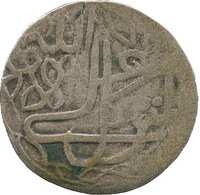
Obverse
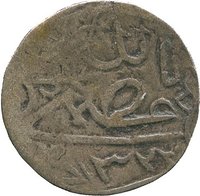
Reverse
Edge
Mintings
| Year | Mint Mark | Mintage | Quality | Collection |
|---|---|---|---|---|
| 1903 | — | — |
Historical background
In 1903, the currency situation within the Zaidi Imamate of Yemen (often referred to in historical sources as the Yemeni Zaidi State) was characterized by monetary fragmentation and the circulation of a diverse array of coins, reflecting both its political autonomy and its integration into regional trade networks. The Imamate, under Imam Yahya Muhammad Hamid ad-Din, issued its own silver coinage, most notably the Imadi Riyal. This coin, named after Imam al-Mutawakkil Isma'il (circa 1644-1676), served as the official standard and a symbol of Zaidi sovereignty. However, its production and purity could be inconsistent due to the limitations of the San'a mint and the state's fluctuating control over resources.
Alongside the Imadi Riyal, the Yemeni economy was flooded with a variety of foreign currencies, a legacy of Ottoman occupation and extensive trade. The most significant of these was the Ottoman Majidi Riyal, a large silver coin from the Istanbul mint, which remained in widespread use and was often preferred for larger transactions due to its consistent silver content. Furthermore, the Austrian Maria Theresa Thaler (MTT), with its famous bust of the empress, circulated heavily, especially in coastal and trade-centric areas like Al Hudaydah, due to its trusted weight and silver purity in international commerce.
This multi-currency system created a complex and often unstable economic environment. Exchange rates between the Imadi, Majidi, and Thaler fluctuated based on their intrinsic silver value and market demand, leading to challenges in taxation, state finance, and everyday commerce. The situation underscored the Imamate's struggle to assert full monetary sovereignty while navigating the practical realities of regional trade dependencies and the lingering influence of the Ottoman Empire, from which it had only recently secured a fragile autonomy through the Treaty of Da'an in 1911.
Alongside the Imadi Riyal, the Yemeni economy was flooded with a variety of foreign currencies, a legacy of Ottoman occupation and extensive trade. The most significant of these was the Ottoman Majidi Riyal, a large silver coin from the Istanbul mint, which remained in widespread use and was often preferred for larger transactions due to its consistent silver content. Furthermore, the Austrian Maria Theresa Thaler (MTT), with its famous bust of the empress, circulated heavily, especially in coastal and trade-centric areas like Al Hudaydah, due to its trusted weight and silver purity in international commerce.
This multi-currency system created a complex and often unstable economic environment. Exchange rates between the Imadi, Majidi, and Thaler fluctuated based on their intrinsic silver value and market demand, leading to challenges in taxation, state finance, and everyday commerce. The situation underscored the Imamate's struggle to assert full monetary sovereignty while navigating the practical realities of regional trade dependencies and the lingering influence of the Ottoman Empire, from which it had only recently secured a fragile autonomy through the Treaty of Da'an in 1911.

✨ Legendary