

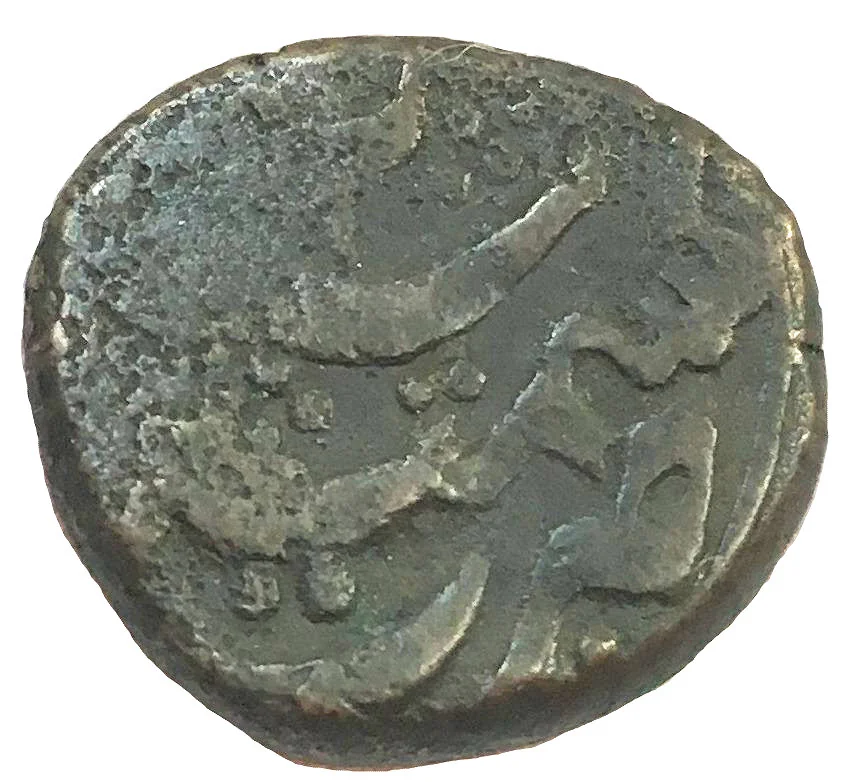
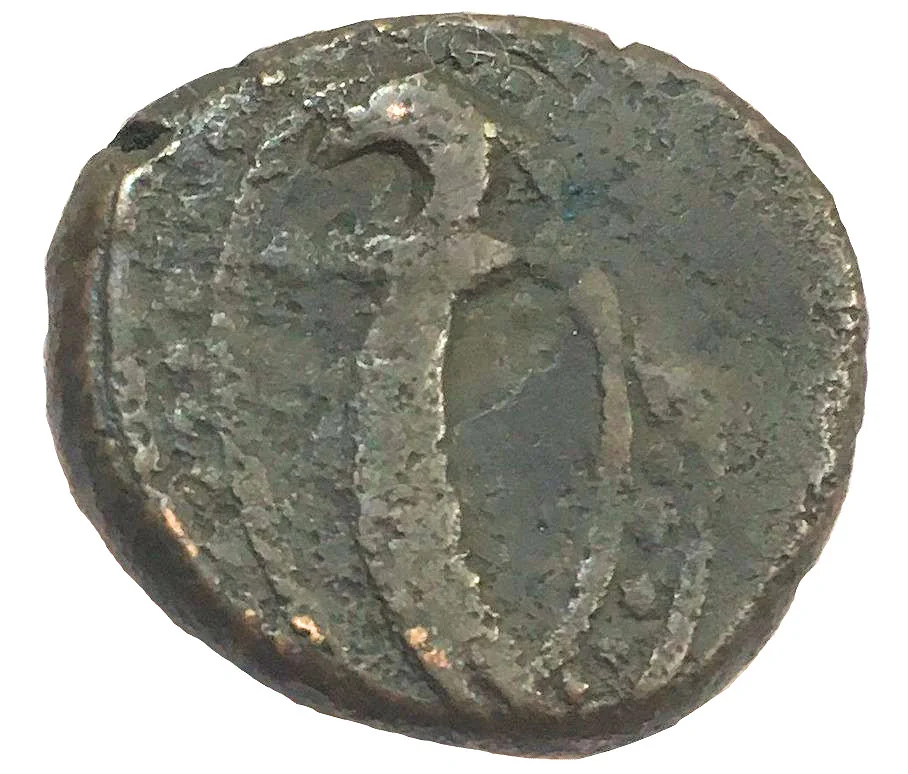
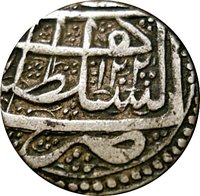
1 Falus – Afghanistan
Afghanistan
Context
Year: 1804
Islamic (Hijri) Year: 1218
Issuer: Afghanistan 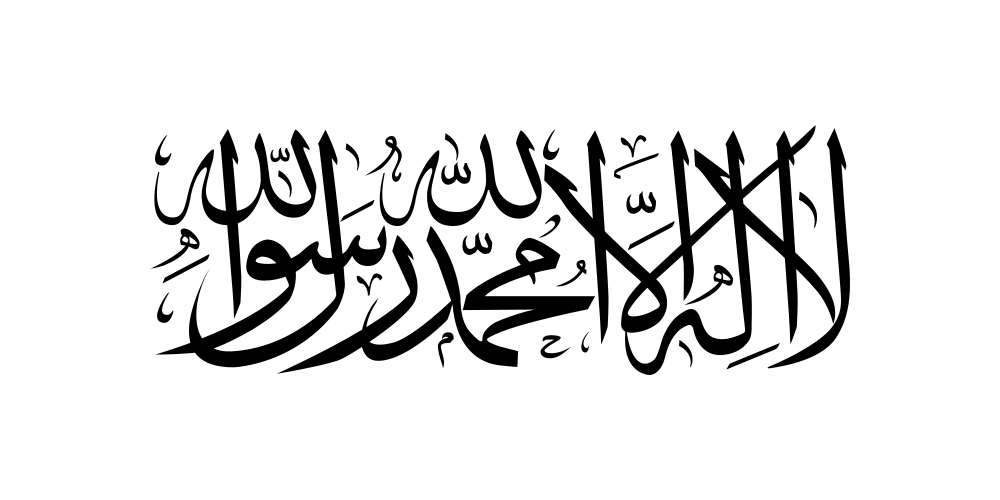
Ruler: Shujah Shah
Currency:
(1747—1891)
Demonetized: Yes
Material
References
KM: #Click to copy to clipboard594
Numista: #108294
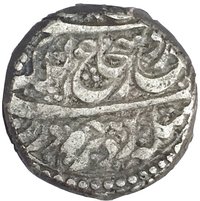
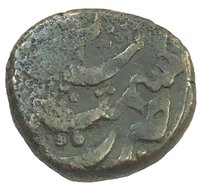
Obverse
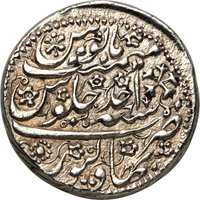
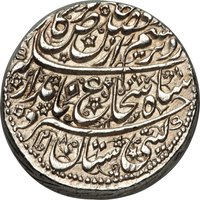
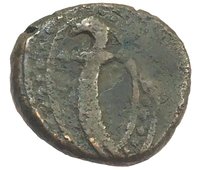
Reverse
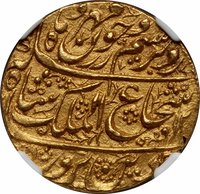
Description:
Blade.
Edge
Mintings
| Year | Mint Mark | Mintage | Quality | Collection |
|---|---|---|---|---|
| 1804 | — | — |
Historical background
In 1804, the currency situation in Afghanistan was characterized by fragmentation and instability, reflecting the decentralized and volatile political landscape of the Durrani Empire. Following the death of its founder, Ahmad Shah Durrani, in 1772, the empire entered a period of succession crises and civil war among his descendants. By 1804, Shah Mahmud Durrani ruled in Kabul, but his authority was contested, and effective control over the empire's various regions—from Herat to Peshawar—was limited. There was no unified, empire-wide monetary system; instead, currency issuance was a local or regional affair, often under the control of rival princes, city governors, or powerful tribal khans.
The primary circulating coins were silver rupees and their fractional pieces, which were minted in various cities like Kabul, Kandahar, and Peshawar. These coins often bore the name of the current sovereign but their weight, purity, and design could vary significantly depending on the mint and the local ruler's economic circumstances. The debasement of coinage was common, as regional leaders sought to stretch their treasuries by reducing silver content, especially to fund military campaigns during the incessant internal conflicts. Alongside these local rupees, older Persian, Mughal, and even foreign coins like the Maria Theresa thaler circulated in trade, particularly along key caravan routes, adding to the monetary complexity.
This fragmented system presented significant challenges to trade and administration. Merchants and money changers (sarraf) were essential figures, required to constantly assess the value of disparate coins based on their metallic content and origin. The lack of a trusted, uniform currency hindered economic integration and state revenue collection, weakening the central authority further. Thus, in 1804, Afghanistan's currency was not a tool of unified state power but a symptom of its disintegration, mirroring the political contest that would eventually lead to the empire's collapse and the rise of the Barakzai dynasty later in the century.
The primary circulating coins were silver rupees and their fractional pieces, which were minted in various cities like Kabul, Kandahar, and Peshawar. These coins often bore the name of the current sovereign but their weight, purity, and design could vary significantly depending on the mint and the local ruler's economic circumstances. The debasement of coinage was common, as regional leaders sought to stretch their treasuries by reducing silver content, especially to fund military campaigns during the incessant internal conflicts. Alongside these local rupees, older Persian, Mughal, and even foreign coins like the Maria Theresa thaler circulated in trade, particularly along key caravan routes, adding to the monetary complexity.
This fragmented system presented significant challenges to trade and administration. Merchants and money changers (sarraf) were essential figures, required to constantly assess the value of disparate coins based on their metallic content and origin. The lack of a trusted, uniform currency hindered economic integration and state revenue collection, weakening the central authority further. Thus, in 1804, Afghanistan's currency was not a tool of unified state power but a symptom of its disintegration, mirroring the political contest that would eventually lead to the empire's collapse and the rise of the Barakzai dynasty later in the century.
💎 Extremely Rare