

1 cash – Hyderabad-Elichpur Feudatory
Add to wishlist
India
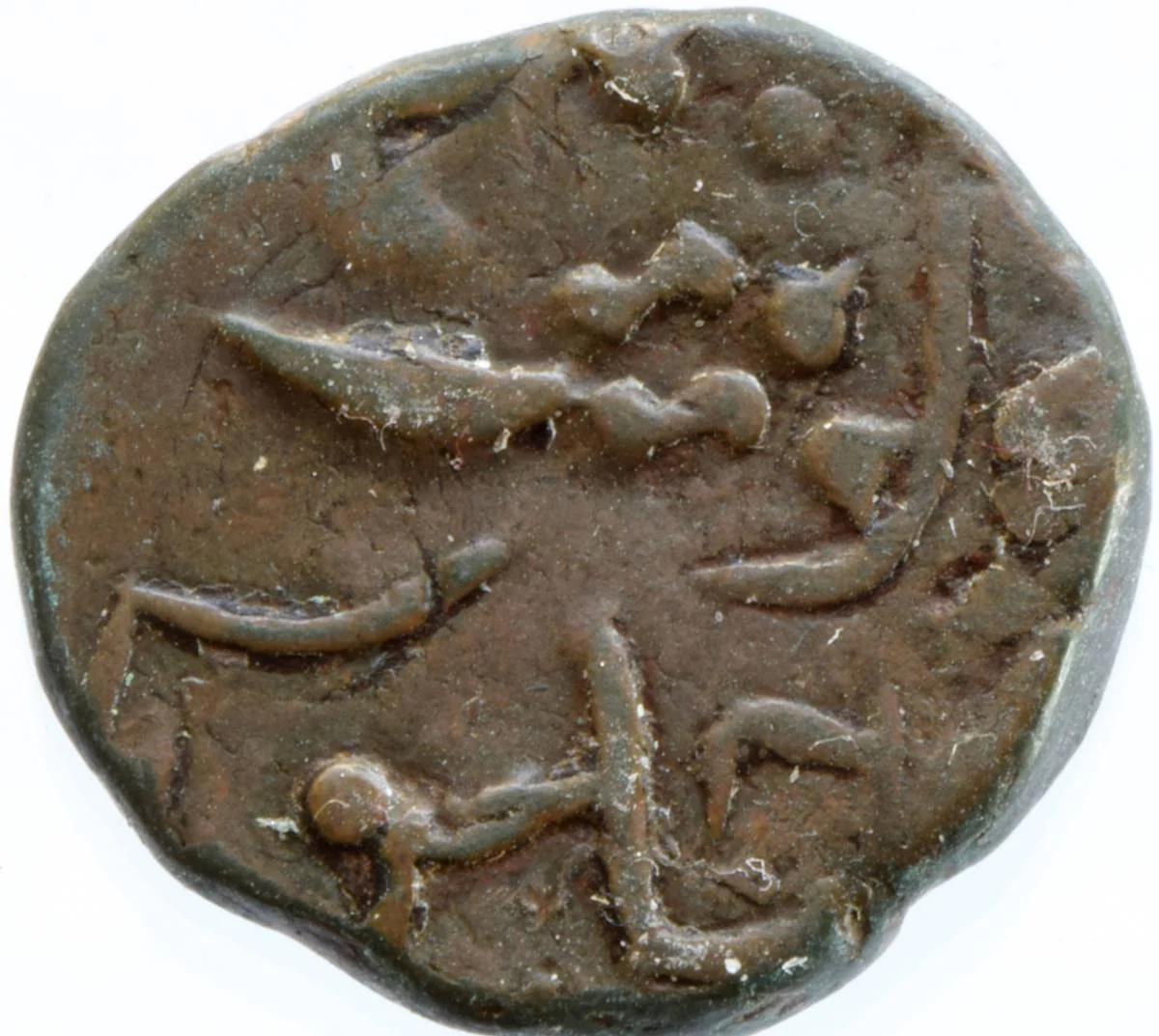
Obverse
Description:
Legendary Persian sword, 'Toka cash'.
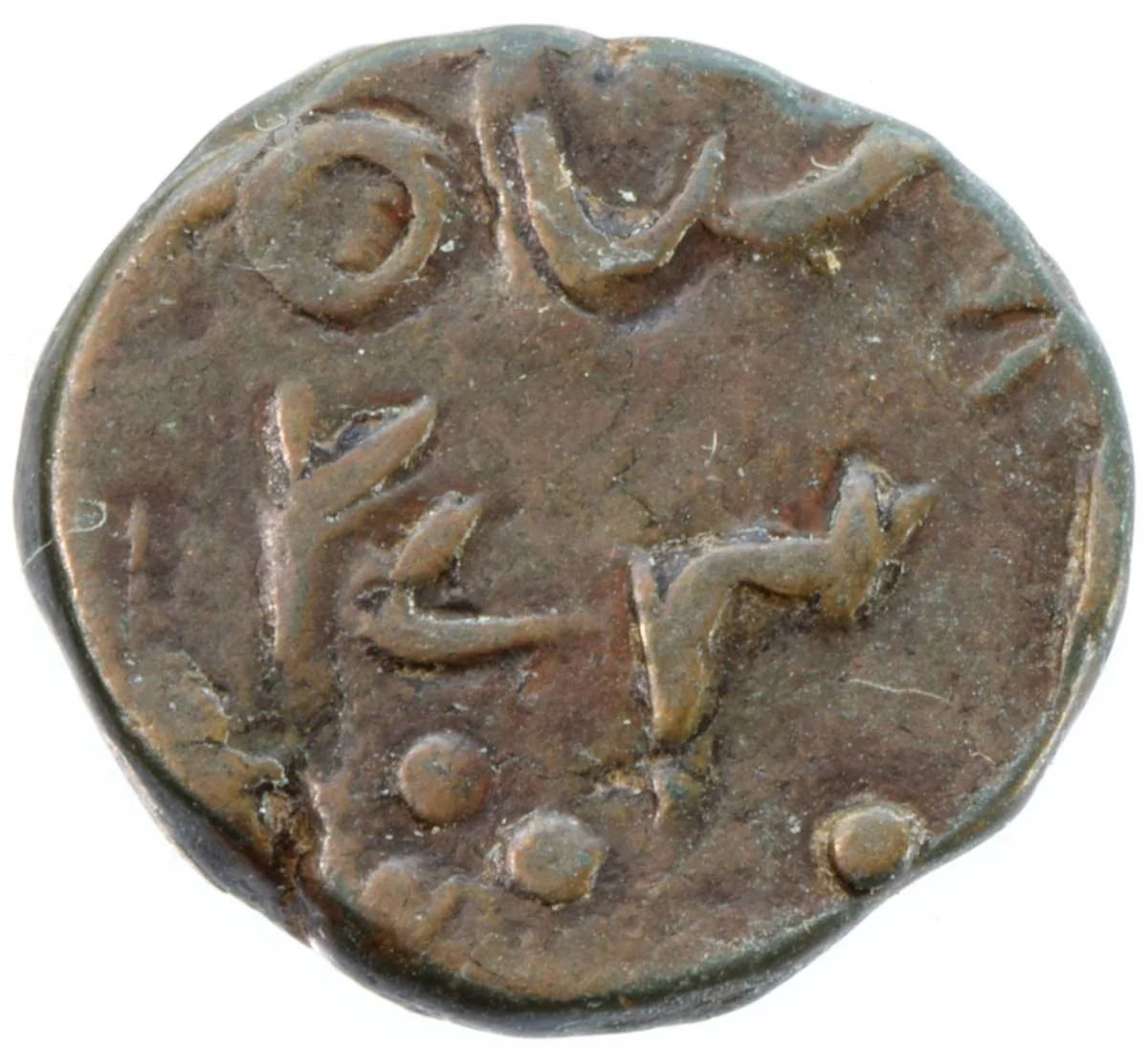
Reverse
Edge
Plain
Mintings
| Year | Mint Mark | Mintage | Quality | Collection |
|---|---|---|---|---|
| 1857 | — | — | ||
| 1860 | — | — |
Historical background
The Hyderabad-Elichpur (Ellichpur) feudatory in 1857, referring to the Berar region under the nominal control of the Nizam of Hyderabad but heavily influenced by the British Resident, operated within a complex and layered monetary system. The primary currency in circulation was the Hyderabadi Rupee, a silver coin minted by the Nizam's government, which bore its own distinct design and calligraphy. However, the region's economy was not isolated; it was deeply integrated with the wider Deccan and British presidencies. Consequently, British East India Company Rupees (from Bombay and Madras) and even older Mughal-era rupees also circulated freely, their values determined by fluctuating exchange rates based on weight and silver purity.
The political and economic landscape was dominated by the 1853 Treaty of Berar, which had ceded the administration (and revenue) of the Berar districts, including Elichpur, to the British in lieu of unpaid debts. While sovereignty remained with the Nizam, real fiscal control lay with the British. This created a dual monetary authority. The British actively collected revenue in their own standardized rupees, while the Nizam's coins remained the medium for local and regional trade. This duality caused occasional friction and exchange complexities, as the British sought greater monetary uniformity to facilitate administration and trade.
During the upheaval of the 1857 Rebellion, the currency situation in the region reflected its political ambiguity. The Nizam, under the influence of the British Resident, ultimately remained loyal, preventing a complete collapse of the monetary order. However, the widespread disruption to trade and communication across India caused hoarding of silver coins, leading to liquidity shortages and heightened public anxiety over the value and acceptability of different rupees. The stability of the Hyderabadi rupee itself hinged on the survival of the Nizam's regime, which the British ensured. Thus, the period solidified the trend towards a British-dominated monetary system in the region, a process that would culminate after 1858 with the full integration of the Hyderabad state into the British Indian monetary framework.
The political and economic landscape was dominated by the 1853 Treaty of Berar, which had ceded the administration (and revenue) of the Berar districts, including Elichpur, to the British in lieu of unpaid debts. While sovereignty remained with the Nizam, real fiscal control lay with the British. This created a dual monetary authority. The British actively collected revenue in their own standardized rupees, while the Nizam's coins remained the medium for local and regional trade. This duality caused occasional friction and exchange complexities, as the British sought greater monetary uniformity to facilitate administration and trade.
During the upheaval of the 1857 Rebellion, the currency situation in the region reflected its political ambiguity. The Nizam, under the influence of the British Resident, ultimately remained loyal, preventing a complete collapse of the monetary order. However, the widespread disruption to trade and communication across India caused hoarding of silver coins, leading to liquidity shortages and heightened public anxiety over the value and acceptability of different rupees. The stability of the Hyderabadi rupee itself hinged on the survival of the Nizam's regime, which the British ensured. Thus, the period solidified the trend towards a British-dominated monetary system in the region, a process that would culminate after 1858 with the full integration of the Hyderabad state into the British Indian monetary framework.
✨ Legendary