

1 falus – Iran
Add to wishlist
Iran
Context
Year: 1855
Islamic (Hijri) Year:: 1271
Issuer: Iran
Ruler: Naser al-Din Shah
Currency:
(1825—1932)
Demonetization: 1896
Material
References
Numista: #194921
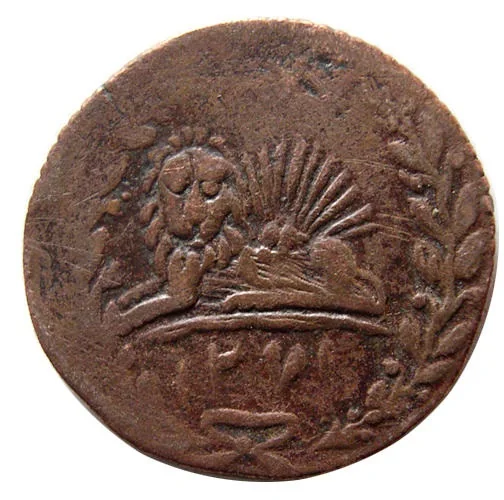
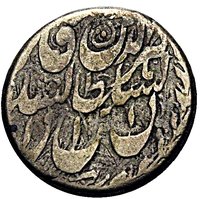
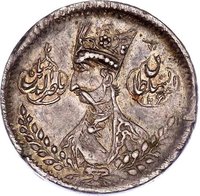
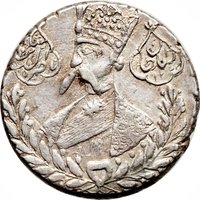
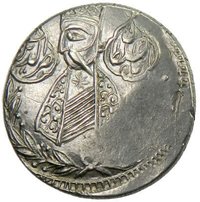
Obverse
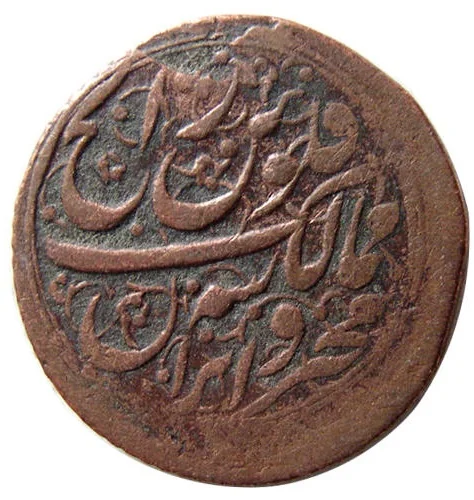
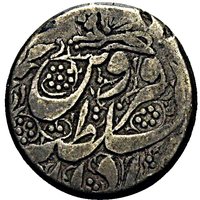
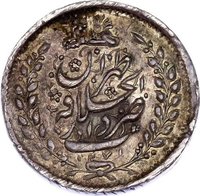
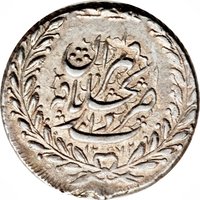
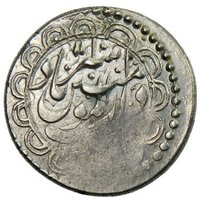
Reverse
Inscription:
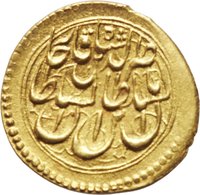
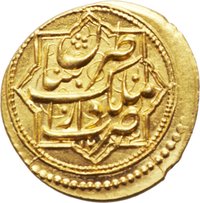
فلوس رایج ممالک محروسه ایران
Translation:
Current Coin of the Protected Domains of Iran
Script: Persian (nastaliq)
Edge
Plain
Mintings
| Year | Mint Mark | Mintage | Quality | Collection |
|---|---|---|---|---|
| 1855 | — | — |
Historical background
In 1855, Iran’s monetary system was a complex and fragmented reflection of its political and economic state under the Qajar dynasty. The country lacked a unified, modern currency. Instead, circulation was dominated by a bewildering variety of silver coins, primarily the kran, alongside copper puls and gold tomans (a unit of account, not a coin). Crucially, many of the silver coins in use were foreign, especially Austrian thalers (Maria Theresa thalers) and Russian rubles, which were often preferred for large transactions due to their reliable silver content. This reliance on foreign coinage highlighted Iran’s integration into regional trade networks but also its vulnerability to external economic forces and the weakness of central minting authority.
The system was plagued by chronic instability and debasement. Provincial governors and even powerful tribal leaders frequently operated their own mints, producing coins of varying weight and purity. The central government in Tehran, perpetually short of revenue, regularly engaged in the practice of sarf-i jadīd (new exchange), recalling existing coins and reissuing them with a lower silver content but the same face value—a form of seigniorage that amounted to a hidden tax. This eroded public trust in the currency, led to wide fluctuations in exchange rates between different coins, and created a chaotic environment for both domestic commerce and foreign trade.
This monetary disorder had significant consequences. It hampered economic development, discouraged foreign investment, and complicated state finances. The instability was a symptom of the Qajar state’s limited control over its territories and its inability to implement centralized fiscal and monetary reforms. While the mid-19th century saw increasing European economic pressure, the currency crisis of 1855 was predominantly homegrown, stemming from internal political fragmentation and fiscal desperation. It would not be until the later reforms of the 1880s that Iran would establish a unified national currency with the introduction of the qiran.
The system was plagued by chronic instability and debasement. Provincial governors and even powerful tribal leaders frequently operated their own mints, producing coins of varying weight and purity. The central government in Tehran, perpetually short of revenue, regularly engaged in the practice of sarf-i jadīd (new exchange), recalling existing coins and reissuing them with a lower silver content but the same face value—a form of seigniorage that amounted to a hidden tax. This eroded public trust in the currency, led to wide fluctuations in exchange rates between different coins, and created a chaotic environment for both domestic commerce and foreign trade.
This monetary disorder had significant consequences. It hampered economic development, discouraged foreign investment, and complicated state finances. The instability was a symptom of the Qajar state’s limited control over its territories and its inability to implement centralized fiscal and monetary reforms. While the mid-19th century saw increasing European economic pressure, the currency crisis of 1855 was predominantly homegrown, stemming from internal political fragmentation and fiscal desperation. It would not be until the later reforms of the 1880s that Iran would establish a unified national currency with the introduction of the qiran.
Series: 1855 Iran circulation coins
💎 Extremely Rare