


2000 dollars – Australia
Add to wishlist
Australia
Context
Material

References
KM: #
Numista: #192923
Value
Exchange value: 2000 AUD
Bullion value: $47649.06
Inflation-adjusted value: 2501.90 AUD
Obverse
Description:
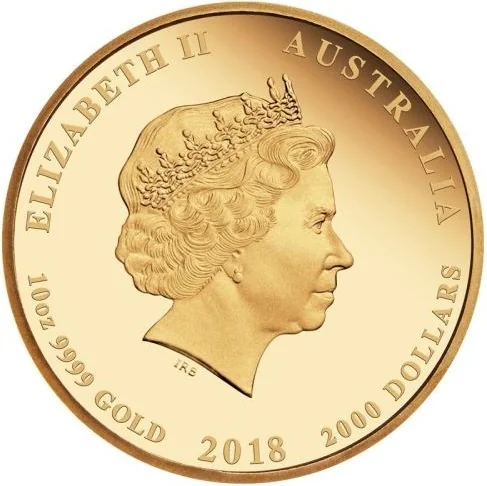
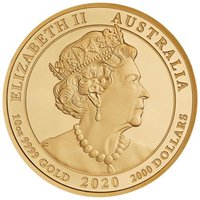
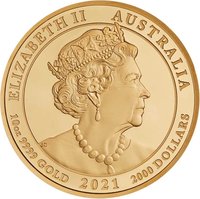
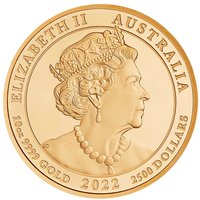
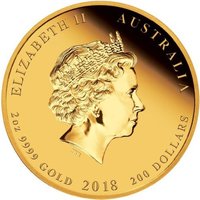
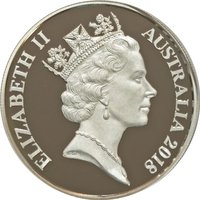
Queen Elizabeth IV, facing right, wearing the Girls of Great Britain and Ireland Tiara.
Inscription:
ELIZABETH II AUSTRALIA
IRB
10oz 9999 GOLD 2018 2000 DOLLARS
IRB
10oz 9999 GOLD 2018 2000 DOLLARS
Script: Latin
Designer: Ian Rank-Broadley
Reverse
Description:
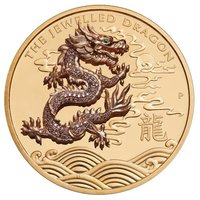
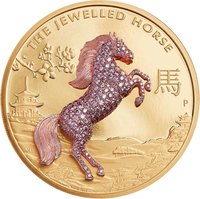
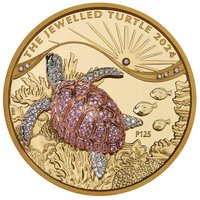
This stunning coin features a rose gold phoenix, pave-set with 89 pink diamonds, landing in 3D relief on a paulownia tree.
Inscription:
THE JEWELLED PHOENIX
鳳
P
鳳
P
Translation:
The Jewelled Phoenix
Phoenix
Phoenix
Script: Latin
Designer: Ing Ing Jong
Edge
Reeded
Mints
| Name | Mark |
|---|---|
| Perth Mint | P |
Mintings
| Year | Mint Mark | Mintage | Quality | Collection |
|---|---|---|---|---|
| 2018 | P | 8 | Proof |
Historical background
In 2018, the Australian dollar (AUD) was characterised by relative stability within a defined trading range, but faced persistent headwinds from both domestic and international forces. Throughout the year, it primarily fluctuated between US$0.71 and US$0.81, with a gradual depreciation trend becoming more pronounced in the latter months. The currency was caught between competing pressures: relatively high domestic interest rates set by the Reserve Bank of Australia (RBA), which typically support a currency, were offset by weaker-than-expected domestic inflation and wage growth. This created a prolonged period of policy inertia, with the RBA holding the cash rate at a record low of 1.5% for over two years, diminishing the AUD's yield appeal.
Internationally, the dominant factor was the US Federal Reserve's continued path of interest rate hikes and a strengthening US dollar, which placed downward pressure on most major currencies, including the Aussie. Furthermore, escalating global trade tensions, particularly between the US and China, Australia's largest trading partner, injected volatility and risk aversion into markets. Concerns that a full-blown trade war could dampen global growth and demand for Australia's key commodity exports, like iron ore and coal, weighed on sentiment toward the currency. These external uncertainties often overshadowed periods of robust commodity prices, which historically provided stronger support for the AUD.
Domestically, economic data presented a mixed picture. While employment growth was strong, household debt remained high, consumer spending was subdued, and the crucial housing market, especially in Sydney and Melbourne, began a clear cooling phase after a long boom. This combination led markets to price in a very low probability of an RBA rate hike, with some analysts even speculating about a potential cut. Consequently, by the close of 2018, the AUD was trading near two-year lows, around US$0.70, reflecting the culmination of international dollar strength, trade fears, and a softening domestic housing sector.
Internationally, the dominant factor was the US Federal Reserve's continued path of interest rate hikes and a strengthening US dollar, which placed downward pressure on most major currencies, including the Aussie. Furthermore, escalating global trade tensions, particularly between the US and China, Australia's largest trading partner, injected volatility and risk aversion into markets. Concerns that a full-blown trade war could dampen global growth and demand for Australia's key commodity exports, like iron ore and coal, weighed on sentiment toward the currency. These external uncertainties often overshadowed periods of robust commodity prices, which historically provided stronger support for the AUD.
Domestically, economic data presented a mixed picture. While employment growth was strong, household debt remained high, consumer spending was subdued, and the crucial housing market, especially in Sydney and Melbourne, began a clear cooling phase after a long boom. This combination led markets to price in a very low probability of an RBA rate hike, with some analysts even speculating about a potential cut. Consequently, by the close of 2018, the AUD was trading near two-year lows, around US$0.70, reflecting the culmination of international dollar strength, trade fears, and a softening domestic housing sector.
Series: The Jewelled Series




✨ Legendary