

1 Dollar – Australia
Australia
Context

Material
Diameter: 32.6 mm
Weight: 31.1 g
Silver weight: 31.10 g
Thickness: 6.1 mm
Shape: Round
Composition: 99.99% Silver
Standard: Silver ounce
Magnetic: No
Technique: Milled
Alignment: Medal alignment
flip
References
KM: #Click to copy to clipboard3883
Numista: #191524
Value
Exchange value: 1 AUD = $0.71
Bullion value: $87.96
Inflation-adjusted value: 1.21 AUD
Obverse
Description:
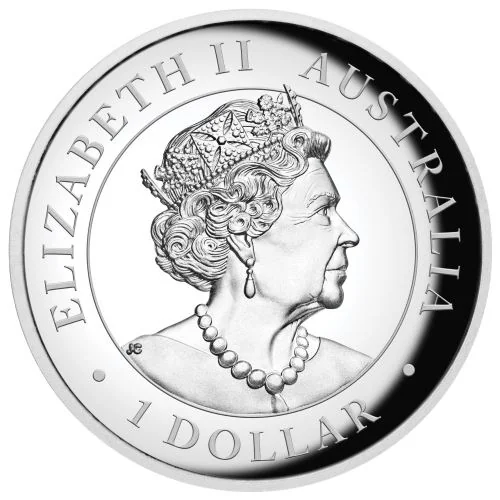
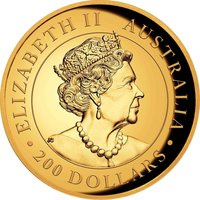
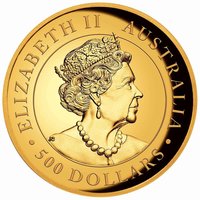
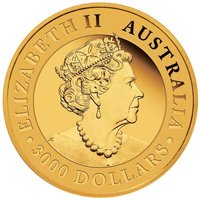
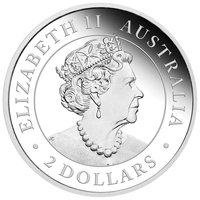
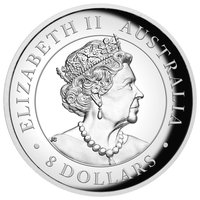
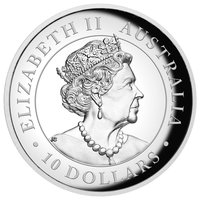
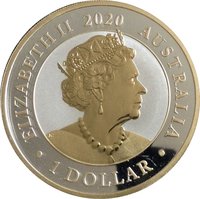
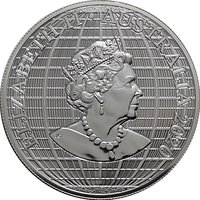
Queen Elizabeth II in profile, wearing the George IV State Diadem and Victorian Coronation Necklace.
Inscription:
ELIZABETH II
AUSTRALIA
1 DOLLAR
JC
AUSTRALIA
1 DOLLAR
JC
Script: Latin
Designer: Jody Clark
Reverse
Description:
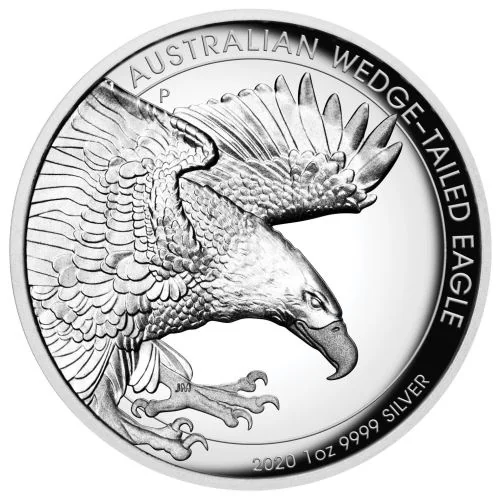
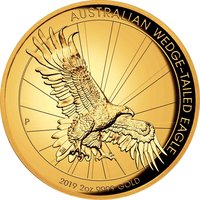
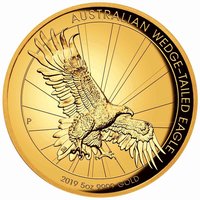
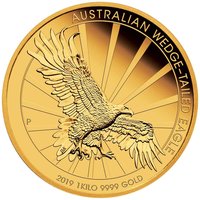
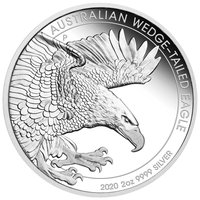
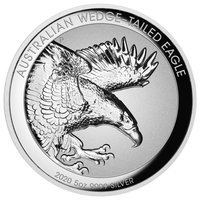
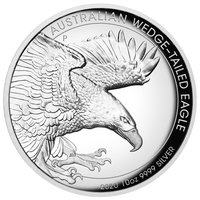
A wedge-tailed eagle swooping, talons outstretched to strike.
Inscription:
AUSTRALIAN WEDGE-TAILED EAGLE
P
JM
2020 1oz 9999 SILVER
P
JM
2020 1oz 9999 SILVER
Script: Latin
Designer: John M. Mercanti
Edge
Reeded
Mints
| Name | Mark |
|---|---|
| Perth Mint | P |
Historical background
In 2020, Australia's currency situation was dominated by the profound economic shock of the COVID-19 pandemic. The Australian dollar (AUD) experienced extreme volatility, plunging to a near 18-year low of approximately US$0.55 in March during the peak of global market panic. This "risk-off" sentiment saw investors flee to safe-haven assets like the US dollar, while Australia's exposure to Chinese demand and commodities made the AUD particularly vulnerable. Concurrently, the Reserve Bank of Australia (RBA) implemented emergency monetary policy, cutting the official cash rate to a historic low of 0.10% and launching a quantitative easing program for the first time to lower funding costs and support the economy.
The currency's trajectory, however, reversed sharply from its March lows, beginning a sustained recovery for the remainder of the year. This rebound was driven by several key factors: a faster-than-expected containment of the virus within Australia, leading to a reopening of the domestic economy; a surge in global demand for iron ore, Australia's largest export, buoyed by Chinese stimulus; and a broader weakening of the US dollar as global investor sentiment improved. By year's end, the AUD had remarkably rallied to trade around US$0.77, reflecting a "risk-on" environment and the relative resilience of Australia's economic position and trade terms.
Throughout this period, the RBA maintained a cautious stance on the currency's strength, repeatedly noting that a lower exchange rate would be beneficial for the economic recovery. While not directly intervening in the forex market, the bank's persistent dovish guidance and yield curve control aimed at keeping three-year government bond yields at 0.10% helped to cap significant upward pressure on the AUD. Thus, the year encapsulated a dramatic journey for the currency—from a crisis-driven collapse to a commodity-fueled recovery—all under the shadow of unprecedented monetary policy support.
The currency's trajectory, however, reversed sharply from its March lows, beginning a sustained recovery for the remainder of the year. This rebound was driven by several key factors: a faster-than-expected containment of the virus within Australia, leading to a reopening of the domestic economy; a surge in global demand for iron ore, Australia's largest export, buoyed by Chinese stimulus; and a broader weakening of the US dollar as global investor sentiment improved. By year's end, the AUD had remarkably rallied to trade around US$0.77, reflecting a "risk-on" environment and the relative resilience of Australia's economic position and trade terms.
Throughout this period, the RBA maintained a cautious stance on the currency's strength, repeatedly noting that a lower exchange rate would be beneficial for the economic recovery. While not directly intervening in the forex market, the bank's persistent dovish guidance and yield curve control aimed at keeping three-year government bond yields at 0.10% helped to cap significant upward pressure on the AUD. Thus, the year encapsulated a dramatic journey for the currency—from a crisis-driven collapse to a commodity-fueled recovery—all under the shadow of unprecedented monetary policy support.
Series: Australian Wedge-Tailed Eagle
💎 Very Rare