

¼ dollar – United States
Add to wishlist
Circulating commemorative coins
Commemoration: Weir Farm National Historic Site
United States
Context
Year: 2020
Issuer: United States
Period:
(since 1776)
Currency:
(since 1785)
Subdivision: ¼ dollar = 25 Cents
Total mintage: 282,600,000
Material
References
KM: #
Numista: #189631
Value
Exchange value: ¼ USD = $0.25
Inflation-adjusted value: 0.31 USD
Obverse
Description:
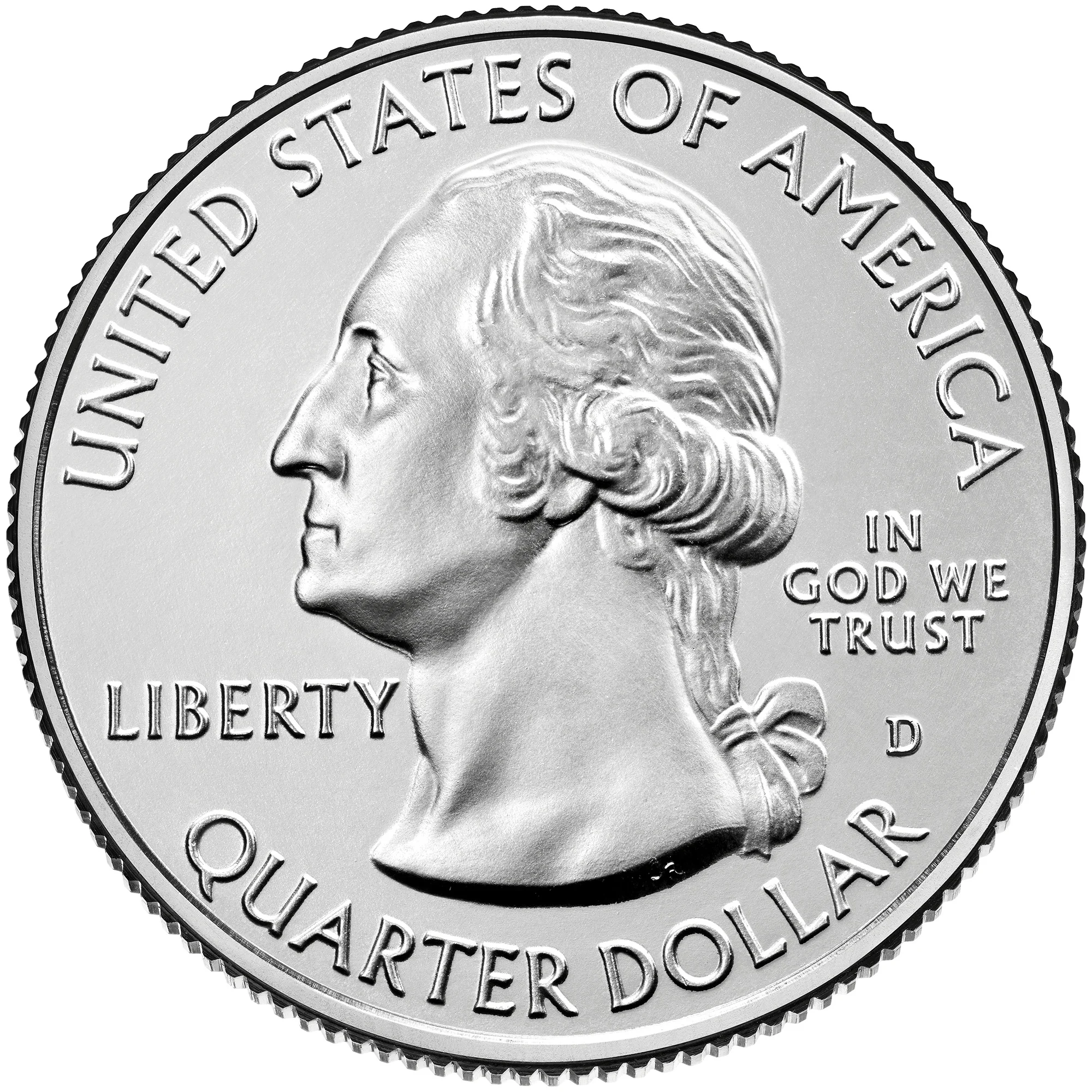
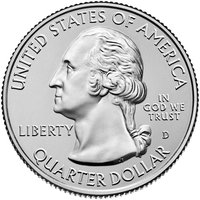
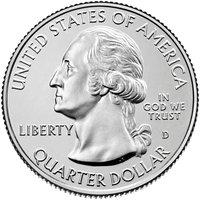
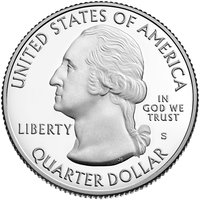
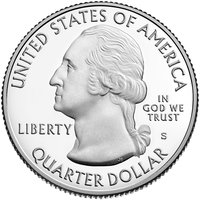
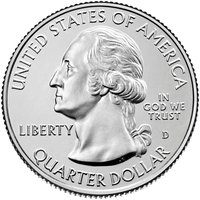
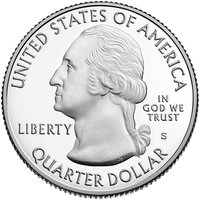
Left-profile portrait of George Washington, U.S. President (1789-1797).
Inscription:
UNITED STATES OF AMERICA
IN
GOD WE
TRUST
LIBERTY S
JF WC
QUARTER DOLLAR
IN
GOD WE
TRUST
LIBERTY S
JF WC
QUARTER DOLLAR
Script: Latin
Engraver: John Flanagan
Reverse
Description:
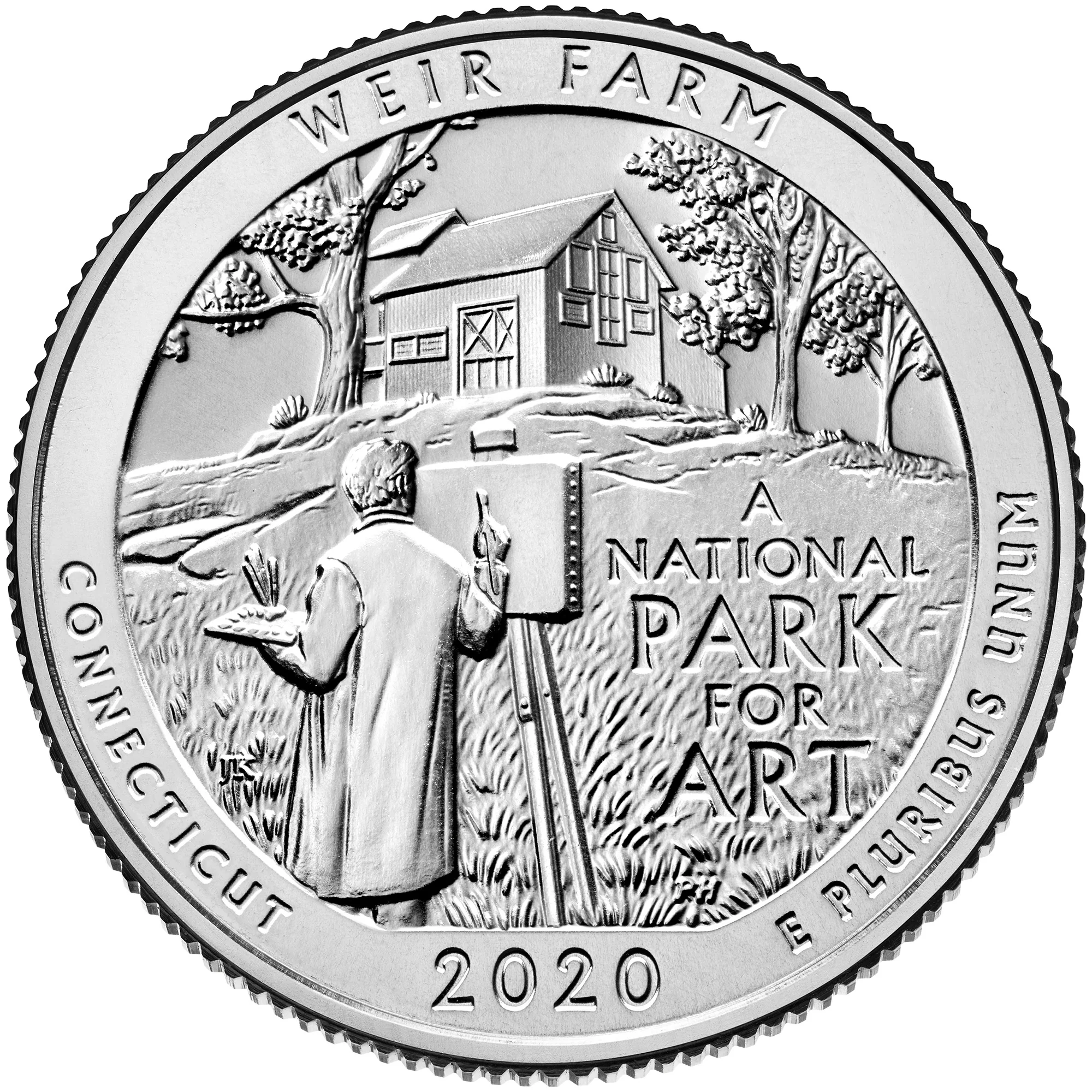
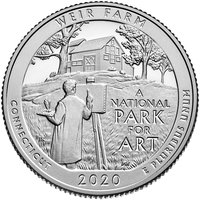
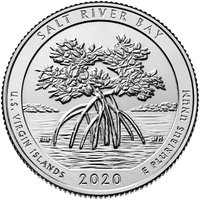
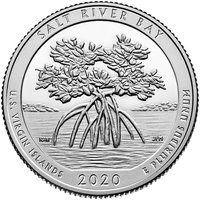
This design depicts an artist painting outside Weir's studio, inspired by images of the site and descriptions of the creative inspiration drawn from its rural setting.
Inscription:
WEIR FARM
A NATIONAL PARK FOR ART
CONNECTICUT
2020
E PLURIBUS UNUM
A NATIONAL PARK FOR ART
CONNECTICUT
2020
E PLURIBUS UNUM
Script: Latin
Engravers: Phebe Hemphill, Justin Kuntz
Edge
Reeded
Mints
| Name | Mark |
|---|---|
| United States Mint of Denver | D |
| United States Mint of Philadelphia | P |
| United States Mint of San Francisco | S |
| United States Mint of West Point | W |
Mintings
Historical background
The United States entered 2020 with a relatively stable currency environment, but the COVID-19 pandemic triggered an unprecedented economic and monetary policy response that profoundly impacted the U.S. dollar. As lockdowns began in March, a global dash for cash caused a dramatic, short-lived surge in the dollar's value against other major currencies, reflecting its enduring role as the world's premier safe-haven asset. This "dollar shortage" threatened global financial stability, prompting the Federal Reserve to activate emergency currency swap lines with other central banks to provide liquidity and calm international markets.
Domestically, the Federal Reserve slashed interest rates to near zero and launched a massive quantitative easing program, purchasing trillions of dollars in Treasury and mortgage-backed securities. Concurrently, Congress passed historic fiscal stimulus packages, notably the $2.2 trillion CARES Act, injecting direct payments and expanded unemployment benefits into the economy. This combination of expansive monetary policy and aggressive fiscal spending was designed to prevent a deflationary spiral and support households and businesses, but it also significantly expanded the money supply and the national debt.
By the second half of 2020, the initial dollar strength had reversed into a sustained decline. As investor risk appetite returned and the Fed's commitment to low rates solidified, the dollar index fell to multi-year lows. This depreciation was viewed as a result of the ballooning U.S. deficit, ultra-low yields making dollar assets less attractive, and growing optimism about a global recovery that would benefit other currencies. Thus, the year encapsulated the dollar's dual nature: its initial spike demonstrated its critical global role in a crisis, while its subsequent weakening reflected the long-term inflationary and debt implications of the policy choices made to combat the pandemic's economic shock.
Domestically, the Federal Reserve slashed interest rates to near zero and launched a massive quantitative easing program, purchasing trillions of dollars in Treasury and mortgage-backed securities. Concurrently, Congress passed historic fiscal stimulus packages, notably the $2.2 trillion CARES Act, injecting direct payments and expanded unemployment benefits into the economy. This combination of expansive monetary policy and aggressive fiscal spending was designed to prevent a deflationary spiral and support households and businesses, but it also significantly expanded the money supply and the national debt.
By the second half of 2020, the initial dollar strength had reversed into a sustained decline. As investor risk appetite returned and the Fed's commitment to low rates solidified, the dollar index fell to multi-year lows. This depreciation was viewed as a result of the ballooning U.S. deficit, ultra-low yields making dollar assets less attractive, and growing optimism about a global recovery that would benefit other currencies. Thus, the year encapsulated the dollar's dual nature: its initial spike demonstrated its critical global role in a crisis, while its subsequent weakening reflected the long-term inflationary and debt implications of the policy choices made to combat the pandemic's economic shock.
🌱 Very Common