

10 lire – San Marino
Add to wishlist
San Marino
Context
Year: 1996
Issuer: San Marino
Period:
(since 301)
Currency:
(1864—2001)
Demonetized: Yes
Total mintage: 32,000
Material
References
KM: #
Numista: #18866
Value
Exchange value: 10 SML
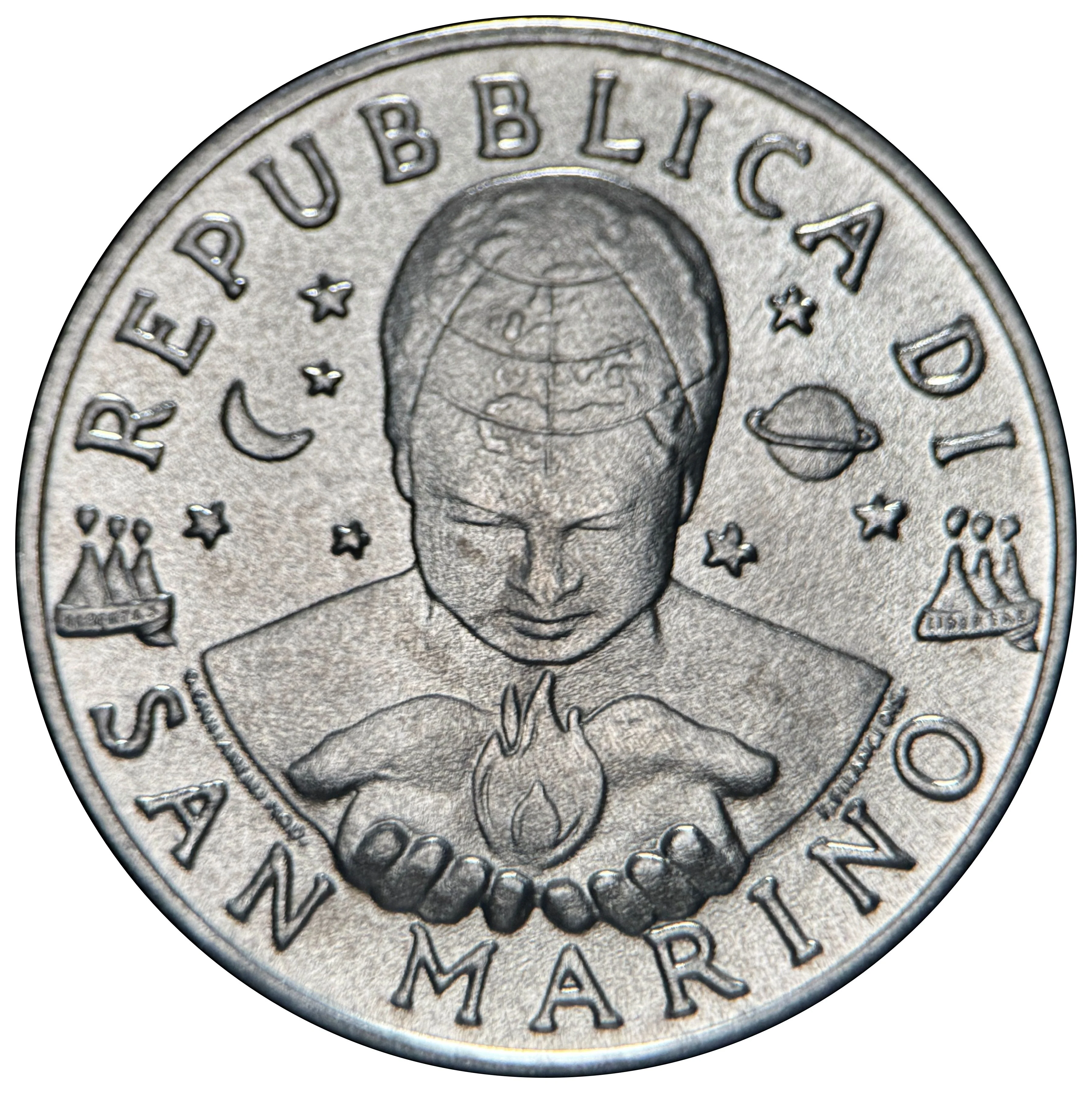
Obverse
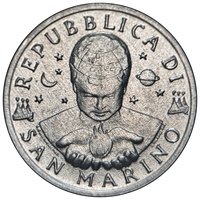
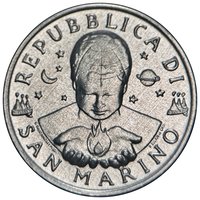
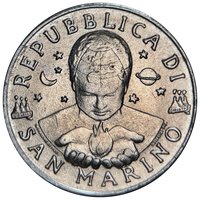
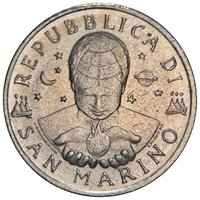
Description:
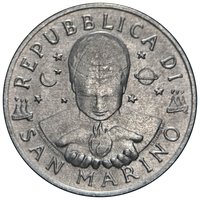
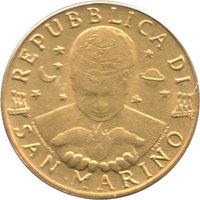
Bust holding a celestial flame, surrounded by stars.
Inscription:
REPUBBLICA DI
SAN MARINO
SAN MARINO
Translation:
REPUBLIC OF
SAN MARINO
SAN MARINO
Script: Latin
Language: Italian
Engravers: Giovanni Giulianelli, Franco Filanci
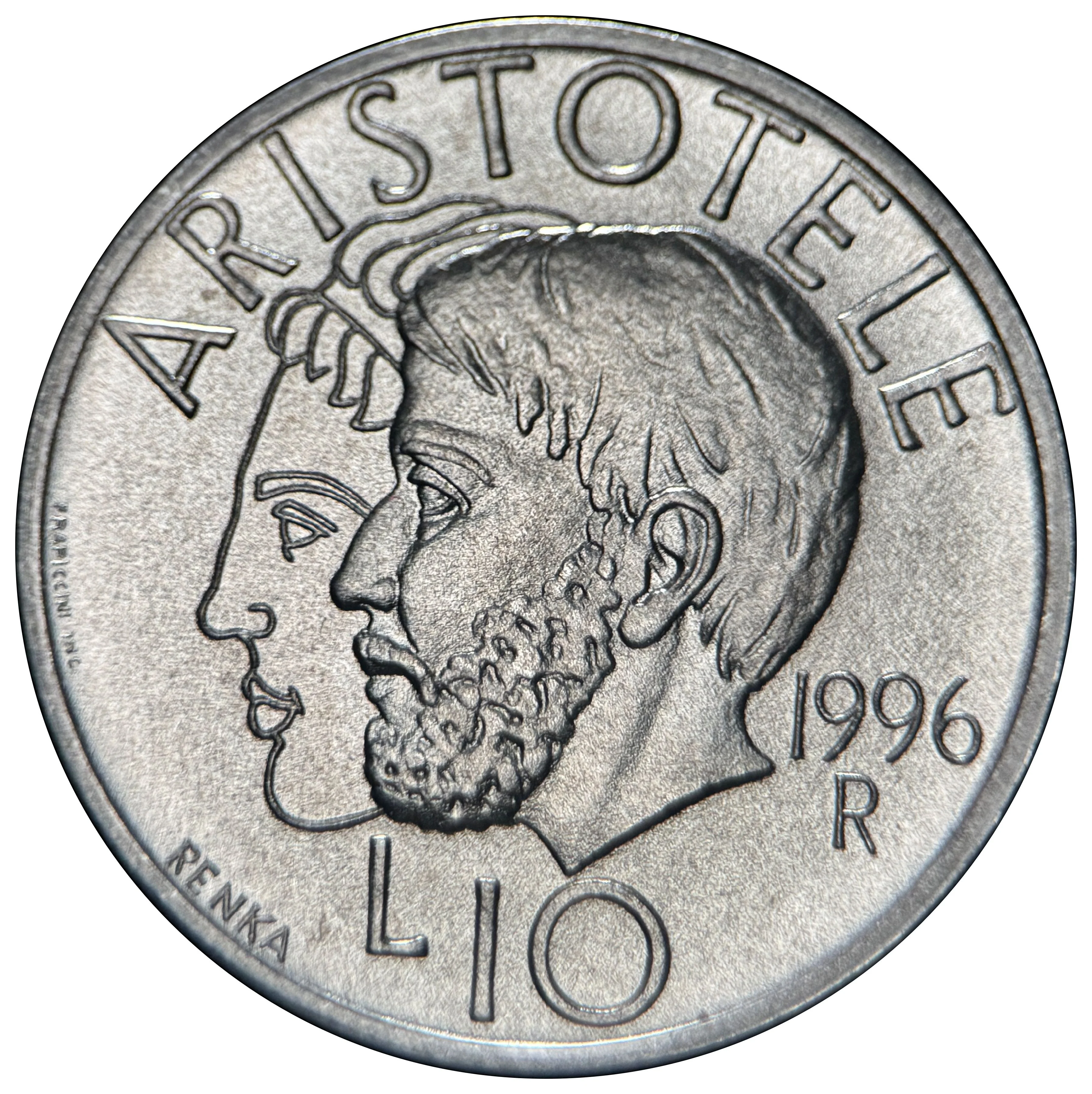
Reverse
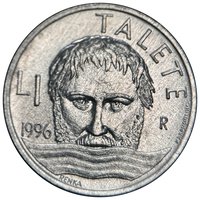
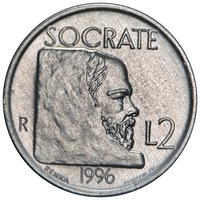
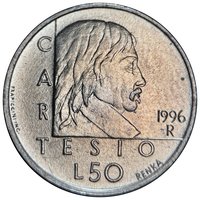
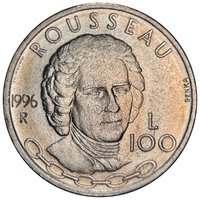
Description:
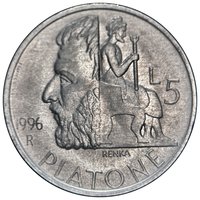
Left-facing overlapping busts.
Inscription:
ARISTOTELE
1996
R
1996
R
Script: Latin
Engravers: Ettore Lorenzo Frapiccini, David Renka
Edge
Plain
Categories
| Symbol> Hand |
| Person> Philosopher |
Mints
| Name | Mark |
|---|---|
| Rome | R |
Mintings
| Year | Mint Mark | Mintage | Quality | Collection |
|---|---|---|---|---|
| 1996 | R | 32,000 | In sets |
Historical background
In 1996, San Marino's currency situation was fundamentally defined by its long-standing monetary agreements with Italy, its much larger neighbor. The Republic used the Italian Lira as its official legal tender, a relationship formalized by a series of treaties dating back to 1862. This arrangement meant San Marino minted its own distinct coins (denominated in lire, featuring Sammarinese designs) and issued limited commemorative banknotes, but these circulated at par with Italian currency and were dependent on Italy's central banking system for broader monetary policy and exchange rate stability.
The year fell within the crucial run-up to European Economic and Monetary Union (EMU). Italy, along with San Marino by extension, was working to meet the strict convergence criteria (the Maastricht Treaty criteria) to adopt the Euro, which included targets for inflation, interest rates, budget deficits, and debt. Consequently, San Marino's monetary stability in 1996 was indirectly tied to Italy's often turbulent efforts to stabilize the lira and rein in public finances to qualify for the first wave of the single currency. This period was one of anticipation and preparation for a monumental shift.
Therefore, while the physical currency in daily use was the Italian Lira, the underlying context in 1996 was one of transition. Sammarinese authorities were engaged in negotiations with Italy and the European Community to secure a future right to issue their own euro coins, similar to the lira arrangement. The background was thus characterized by a dual reality: the operational normality of the Italian lira system and the active diplomatic groundwork for a new, post-1999 European currency era that would preserve San Marino's numismatic identity and monetary rights.
The year fell within the crucial run-up to European Economic and Monetary Union (EMU). Italy, along with San Marino by extension, was working to meet the strict convergence criteria (the Maastricht Treaty criteria) to adopt the Euro, which included targets for inflation, interest rates, budget deficits, and debt. Consequently, San Marino's monetary stability in 1996 was indirectly tied to Italy's often turbulent efforts to stabilize the lira and rein in public finances to qualify for the first wave of the single currency. This period was one of anticipation and preparation for a monumental shift.
Therefore, while the physical currency in daily use was the Italian Lira, the underlying context in 1996 was one of transition. Sammarinese authorities were engaged in negotiations with Italy and the European Community to secure a future right to issue their own euro coins, similar to the lira arrangement. The background was thus characterized by a dual reality: the operational normality of the Italian lira system and the active diplomatic groundwork for a new, post-1999 European currency era that would preserve San Marino's numismatic identity and monetary rights.
Series: Philosophers of the Occident
🌟 Uncommon