

1 rupee – Mauritius
Add to wishlist
Mauritius
Context
Years: 1956–1978
Issuer: Mauritius
Ruler: Elizabeth II
Currency:
(since 1835)
Demonetized: Yes
Total mintage: 8,335,018
Material
Diameter: 29.6 mm
Weight: 11.7 g
Thickness: 2.2 mm
Shape: Round
Composition: Copper-nickel
Technique: Milled
Alignment: Medal alignment
flip
References
KM: #
Numista: #1831
Value
Exchange value: 1 MUR
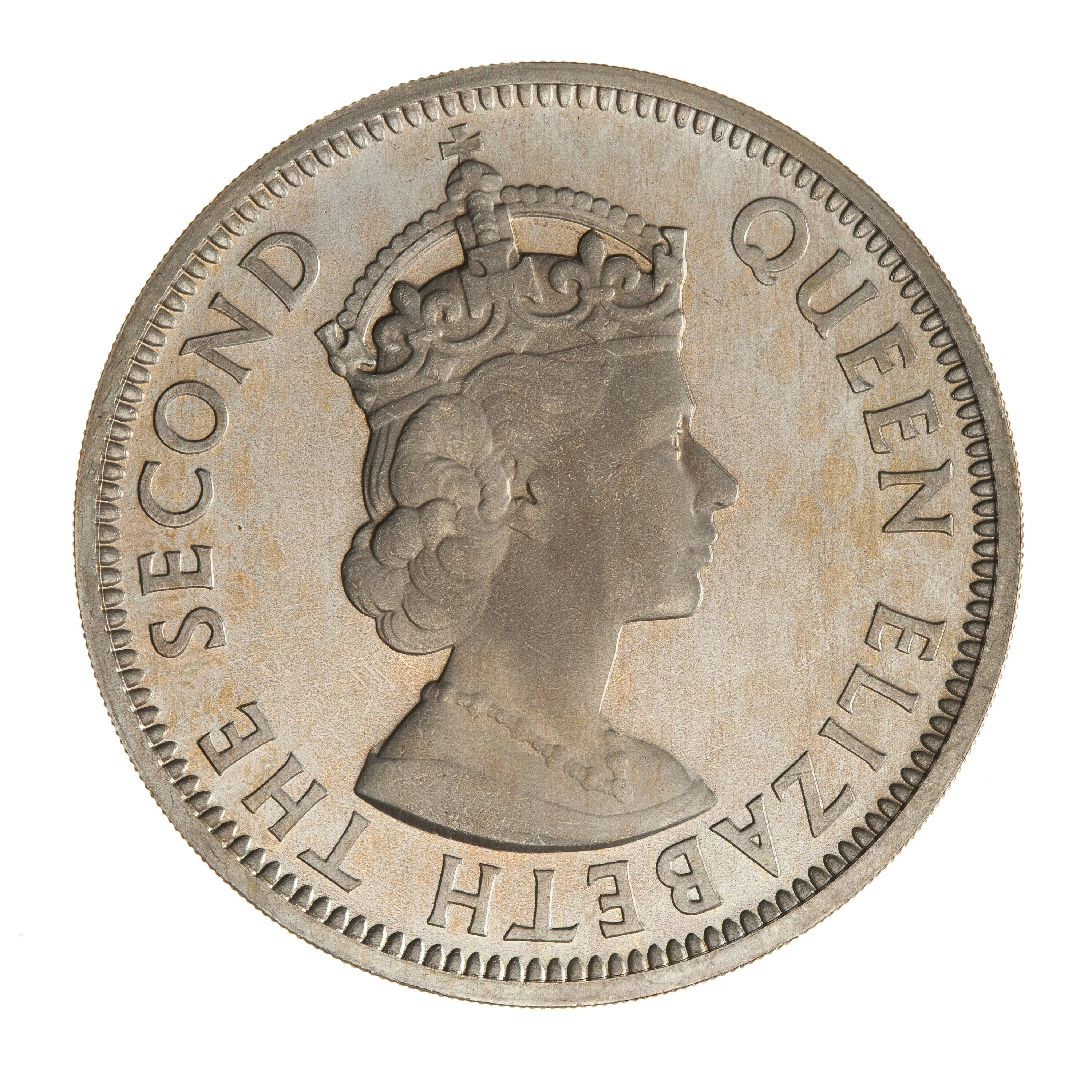
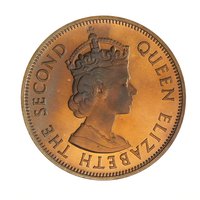
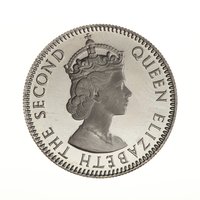
Obverse
Description:
King facing right.
Inscription:
QUEEN ELIZABETH THE SECOND
CT
CT
Script: Latin
Engraver: Cecil Thomas
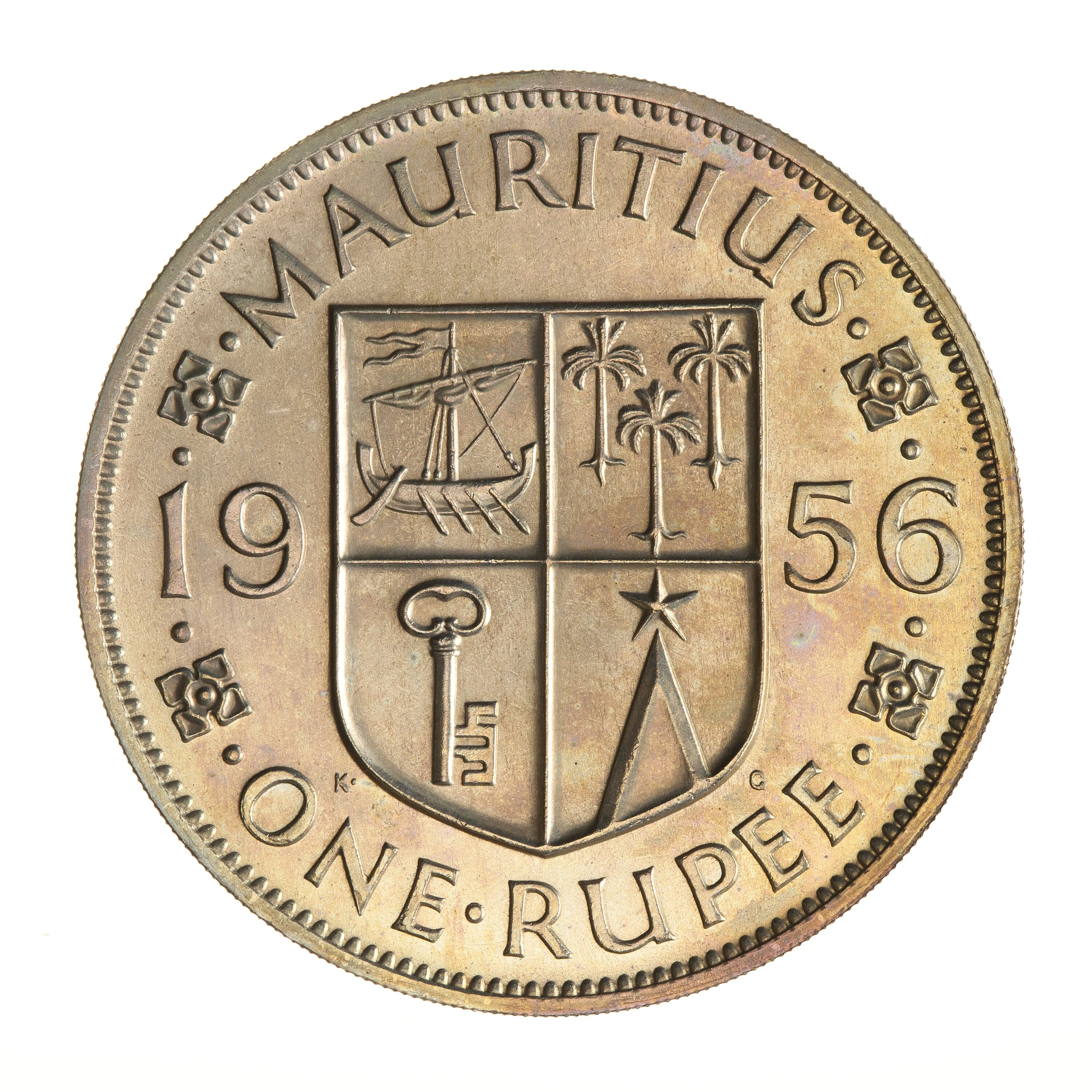
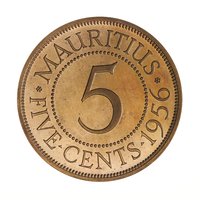
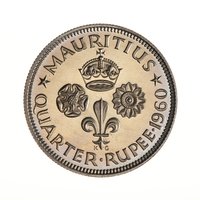
Reverse
Description:
Mauritius' coat of arms.
Inscription:
·⁕·MAURITIUS·⁕·
19 78
K G
·⁕·ONE·RUPEE·⁕·
19 78
K G
·⁕·ONE·RUPEE·⁕·
Script: Latin
Engraver: George Kruger Gray
Edge
Security edge (milled)
Categories
| Symbols> Coat of Arms |
| Person> Monarch |
| Plant> Tree |
| Transportation> Watercraft |
Mints
| Name | Mark |
|---|---|
| Royal Mint (Tower Hill) | — |
| Royal Mint | — |
Mintings
| Year | Mint Mark | Mintage | Quality | Collection |
|---|---|---|---|---|
| 1956 | — | 1,000,000 | ||
| 1956 | — | — | Proof | |
| 1964 | — | 200,000 | ||
| 1971 | — | 600,000 | ||
| 1971 | — | 750 | Proof | |
| 1975 | — | 4,525,000 | ||
| 1978 | — | 9,268 | Proof | |
| 1978 | — | 2,000,000 |
Historical background
In 1956, the currency situation in Mauritius was defined by its colonial status and its integration into the Sterling Area. As a British colony, the island's official currency was the Mauritian Rupee (MUR), but its value and issuance were strictly governed from London. The Mauritian Rupee was not an independent, freely convertible currency; its external value was pegged to the British Pound Sterling at a fixed rate. This meant that the colony's foreign reserves were held in Sterling in London, and its external trade and financial transactions were conducted primarily through the United Kingdom, ensuring a stable but externally controlled monetary environment.
Economically, this arrangement provided stability and facilitated trade with Mauritius's dominant partner, Britain, particularly for its vital sugar exports. However, it also meant that Mauritius had little to no autonomous monetary policy. The money supply and credit conditions were largely determined by the island's balance of payments with the Sterling Area and the decisions of the British authorities. The colony's Board of Commissioners of Currency, established in 1849, managed the issuance of local currency but operated within the strict confines of the Sterling peg, acting more as a currency board than a central bank.
The year 1956 fell within a period of gradual political and economic transition. While still over a decade away from independence (1968), discussions about greater self-governance were underway. The fixed currency regime, while stable, was increasingly seen by some local stakeholders as a symbol of colonial dependency, limiting the government's ability to respond to domestic economic needs. This setup would persist until the establishment of the Bank of Mauritius in 1967, which began the process of formulating an independent monetary policy for the soon-to-be sovereign nation.
Economically, this arrangement provided stability and facilitated trade with Mauritius's dominant partner, Britain, particularly for its vital sugar exports. However, it also meant that Mauritius had little to no autonomous monetary policy. The money supply and credit conditions were largely determined by the island's balance of payments with the Sterling Area and the decisions of the British authorities. The colony's Board of Commissioners of Currency, established in 1849, managed the issuance of local currency but operated within the strict confines of the Sterling peg, acting more as a currency board than a central bank.
The year 1956 fell within a period of gradual political and economic transition. While still over a decade away from independence (1968), discussions about greater self-governance were underway. The fixed currency regime, while stable, was increasingly seen by some local stakeholders as a symbol of colonial dependency, limiting the government's ability to respond to domestic economic needs. This setup would persist until the establishment of the Bank of Mauritius in 1967, which began the process of formulating an independent monetary policy for the soon-to-be sovereign nation.
🌱 Very Common