

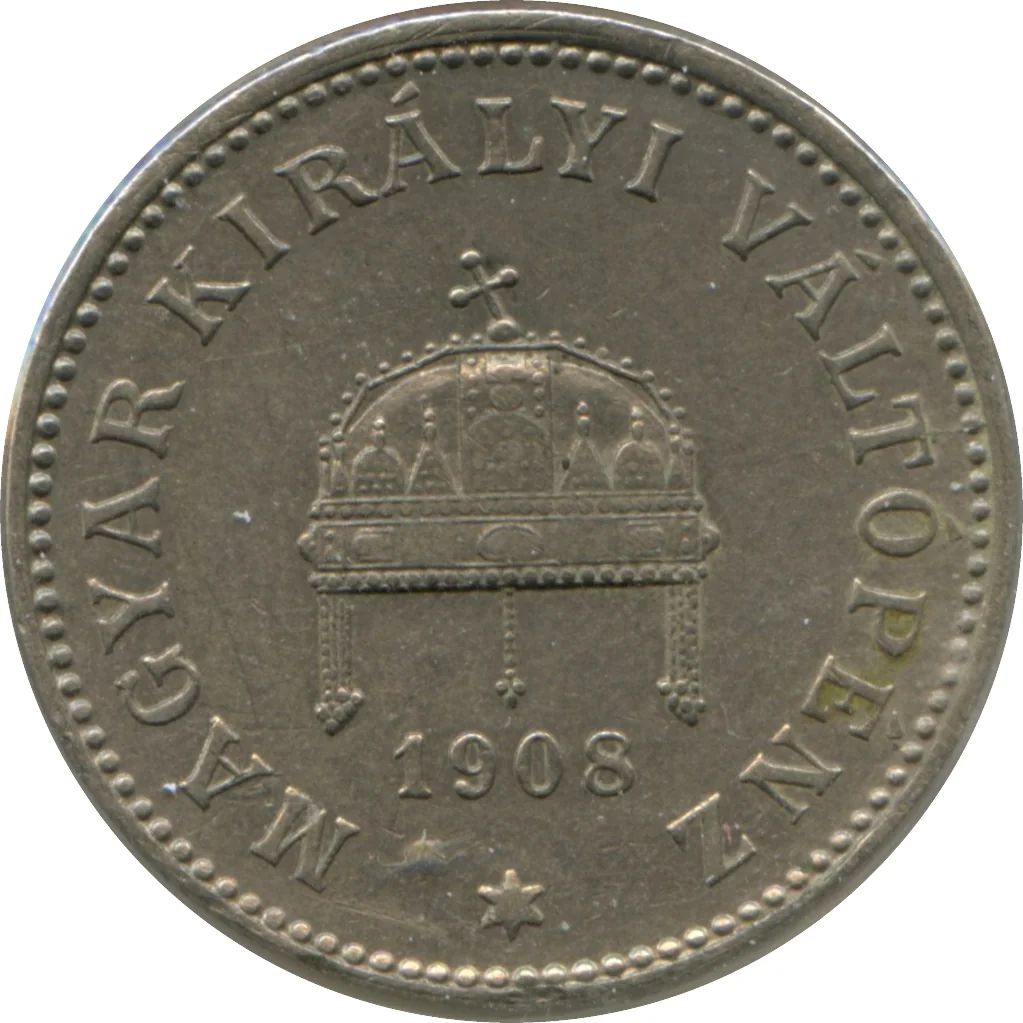
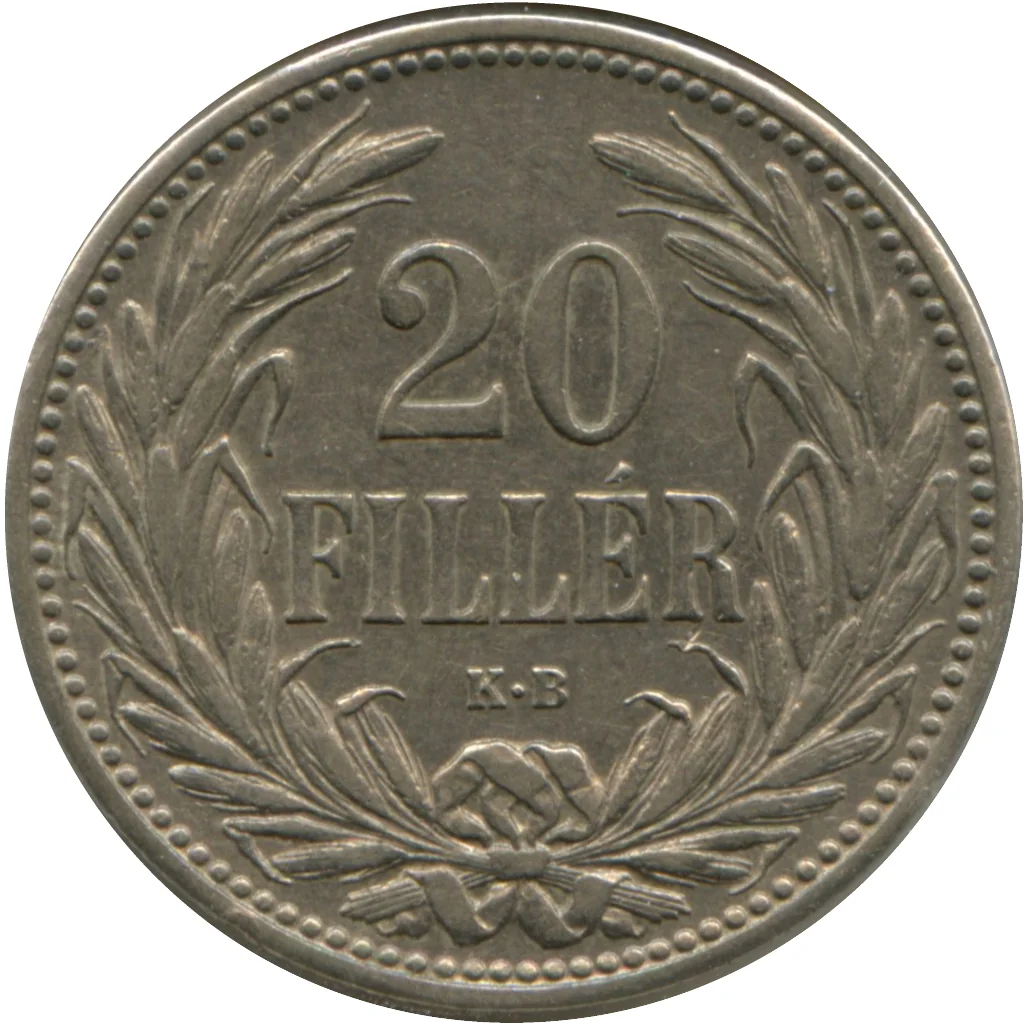
20 fillér – Hungary
Add to wishlist
Hungary
Context
Years: 1892–1914
Issuer: Hungary
Ruler: Francis Joseph I
Currency:
(1892—1918)
Demonetization: 31 December 1916
Total mintage: 71,471,727
Material
References
KM: #
Numista: #10038
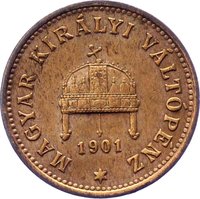
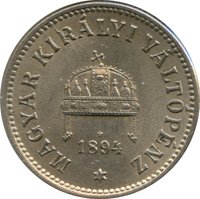
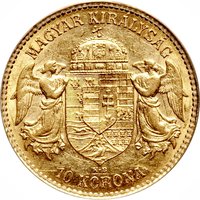
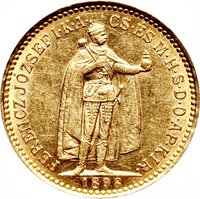
Obverse
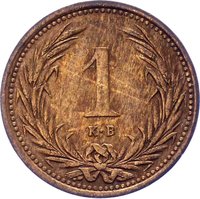
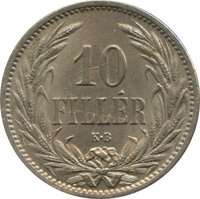
Reverse
Edge
MilledNOTE: Edge varieties exist
Mints
| Name | Mark |
|---|---|
| Kremnica | KB |
Mintings
Historical background
In 1892, Hungary stood at a pivotal economic juncture, operating within the dual monarchy of Austria-Hungary but seeking greater financial autonomy. The currency landscape was dominated by the Austro-Hungarian gulden (or florin), a silver-based currency managed by the Austro-Hungarian Bank in Vienna. However, this system was increasingly seen as outdated and unstable, plagued by fluctuating silver prices on the global market and a cumbersome bimetallic standard that also incorporated gold. Hungarian political and economic leaders viewed the Vienna-controlled currency as a symbol of their subordinate status and an obstacle to modern economic development.
The year 1892 marked the decisive legislative step toward reform with the passage of the Law on the Adoption of the Gold Standard. Championed by Finance Minister Sándor Wekerle, this law initiated a profound transition from the silver-based gulden to a new, gold-backed currency called the korona (crown). The reform was driven by both nationalist ambition and practical necessity; aligning with the gold standard, already adopted by major European powers and trade partners like Germany, promised to attract foreign investment, stabilize exchange rates, and facilitate international trade. It was a clear assertion of Hungary's desire to function as a modern, sovereign economic entity within the empire.
The transition, however, was a complex and gradual process. The law authorized the minting of the new gold korona coins and the issuance of banknotes convertible to gold, but the old gulden remained in circulation for years. The Austro-Hungarian Bank retained its central role, though Hungary secured greater influence within it. Ultimately, the 1892 reform successfully anchored the Hungarian economy to the gold standard, providing a stable monetary foundation for the rapid industrial growth of the fin de siècle period, while simultaneously serving as a milestone in the nation's ongoing struggle for economic self-determination.
The year 1892 marked the decisive legislative step toward reform with the passage of the Law on the Adoption of the Gold Standard. Championed by Finance Minister Sándor Wekerle, this law initiated a profound transition from the silver-based gulden to a new, gold-backed currency called the korona (crown). The reform was driven by both nationalist ambition and practical necessity; aligning with the gold standard, already adopted by major European powers and trade partners like Germany, promised to attract foreign investment, stabilize exchange rates, and facilitate international trade. It was a clear assertion of Hungary's desire to function as a modern, sovereign economic entity within the empire.
The transition, however, was a complex and gradual process. The law authorized the minting of the new gold korona coins and the issuance of banknotes convertible to gold, but the old gulden remained in circulation for years. The Austro-Hungarian Bank retained its central role, though Hungary secured greater influence within it. Ultimately, the 1892 reform successfully anchored the Hungarian economy to the gold standard, providing a stable monetary foundation for the rapid industrial growth of the fin de siècle period, while simultaneously serving as a milestone in the nation's ongoing struggle for economic self-determination.
Series: 1892 Hungary circulation coins
🌱 Very Common