Logo Title
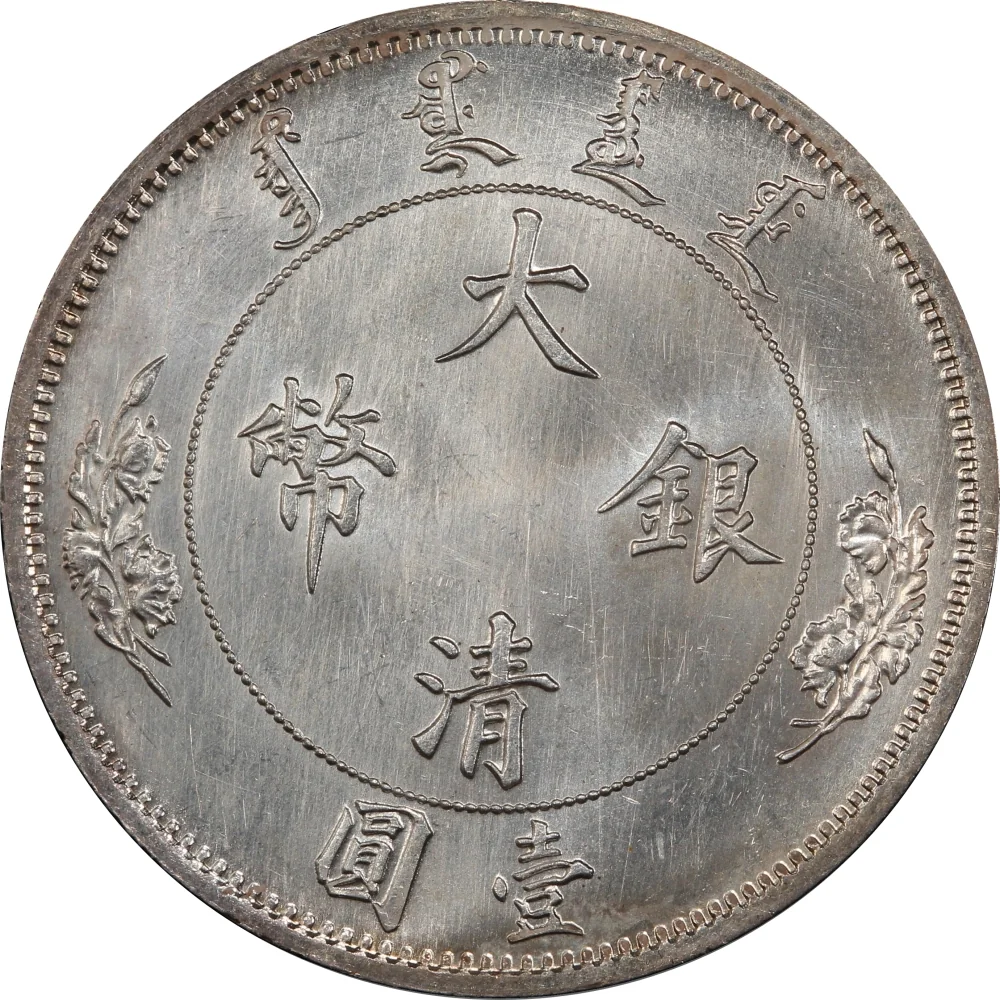
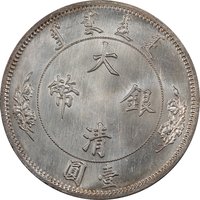
obverse
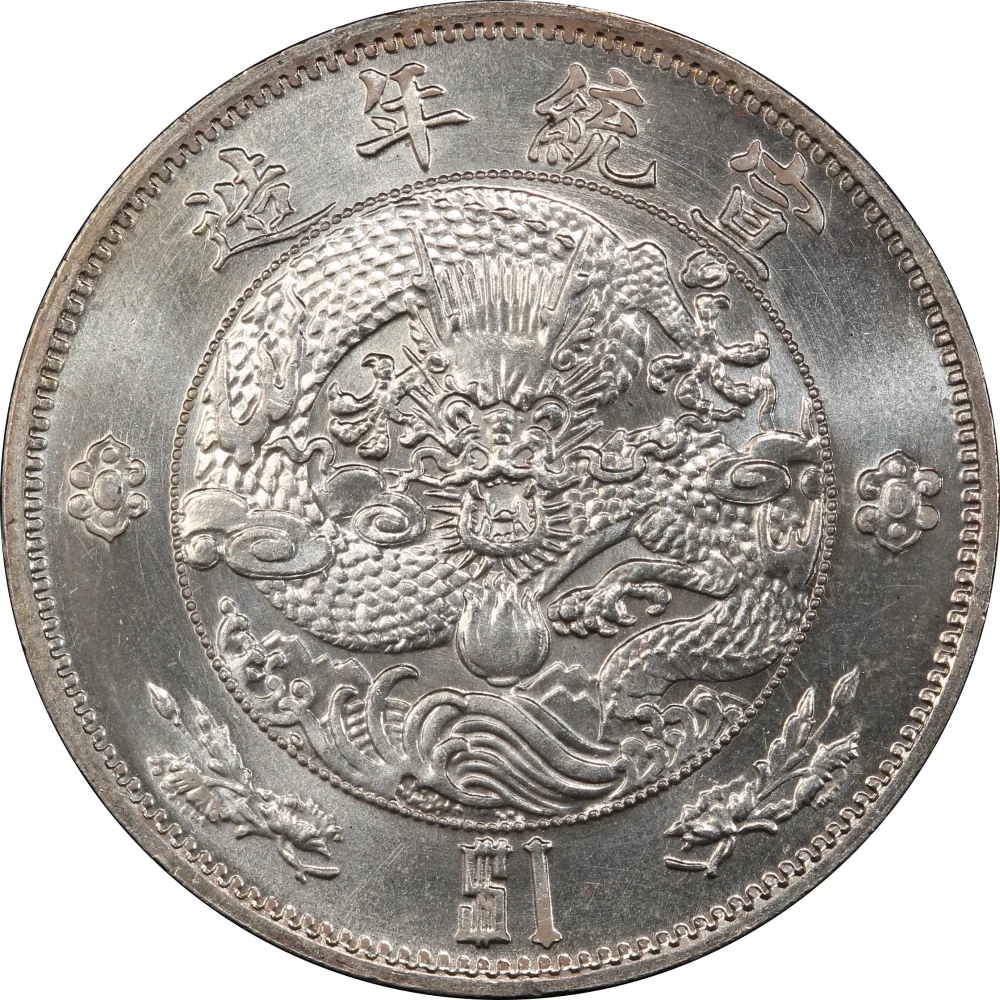
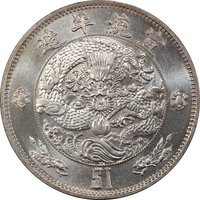
reverse
PCGS
Context
Year: 1910
Country: China Country flag
Ruler: Xuantong
Currency:
(1903—1912)
Demonetized: Yes
Material
Diameter: 38 mm
Weight: 26.9 g
Silver weight: 24.21 g
Thickness: 3 mm
Shape: Round
Composition: 90% Silver
Magnetic: No
Technique: Milled
Alignment: Medal alignment
Obverse
OBVERSE ↑
flip
Reverse
REVERSE ↑
References
Numista: #18176
Value
Bullion value: $67.45

Obverse

Description:
Four Chinese ideograms read vertically, with Manchu text above, more characters below, and flowers flanking the sides.
Inscription:
ᡩᠠᡳᠴᡳᠩ ᡤᡠᡵᡠᠨ ᠮᡝᠩᡤᡠᠨ ᡠᠯᡳᠨ


幣銀


圓壹
Translation:
Great Qing Silver Coin

One Dollar
Languages: Chinese, Manchu

Reverse

Description:
Dragon encircling a pearl, flanked by flowers, with Chinese characters above and English text below.
Inscription:
造年統宣

$1
Translation:
Made in the Xuan Tong era.

Edge

Reeded.

Mintings

YearMint MarkMintageQualityCollection
1910
1910Proof

Historical background

By 1910, the Qing Dynasty's monetary system was a chaotic and fragmented relic, reflecting the empire's profound political and economic decline. The core of the problem was the lack of a unified, modern currency. The economy operated on a bimetallic system where silver, primarily in the form of imported Mexican and later trade silver dollars, circulated alongside a vast array of copper cash coins for daily small transactions. Furthermore, various provincial mints produced silver and copper coins of inconsistent weight and purity, while private banks (qianzhuang) and larger shops issued unregulated paper notes. This patchwork system created severe complications for inter-regional trade, tax collection, and government finance, as constant exchange calculations were required.

Imperial attempts at reform, most notably the 1910 "Currency Regulations" promulgated under the ailing Guangxu Emperor, came too late. This decree aimed to establish a unified, decimal-based currency system with the silver yuan as the standard unit, attempting to centralize minting authority and phase out old coins. However, the central government in Beijing lacked the power and financial resources to enforce these regulations across a vast country where provincial authorities and foreign interests held real power. Foreign banks, operating in the treaty ports, also issued their own banknotes, further undermining monetary sovereignty and siphoning seigniorage profits away from the Qing state.

Consequently, on the eve of the 1911 Revolution, China's currency situation was one of debilitating disorder. The failed reforms of 1910 highlighted the dynasty's inability to assert central control, a weakness that extended far beyond finance. The monetary chaos stifled economic modernization, frustrated merchants and the public, and contributed to the widespread loss of confidence in the Qing government. This financial disintegration was both a symptom and a cause of the imperial collapse, leaving the monumental task of creating a unified national currency to the uncertain successor regimes of the Republican era.

Series: 1910 Empire of China circulation coins

1 Dollar obverse
1 Dollar reverse
1 Dollar
1910
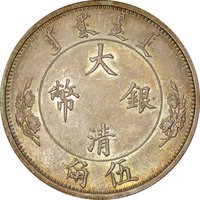
5 Jiao obverse
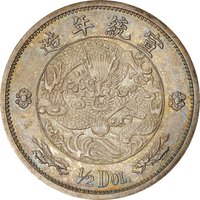
5 Jiao reverse
5 Jiao
1910
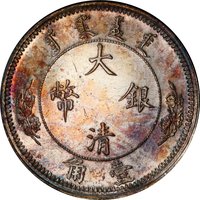
1 Jiao obverse
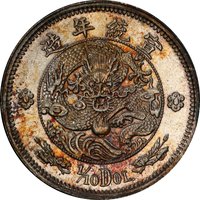
1 Jiao reverse
1 Jiao
1910
2 Jiao 5 Fen obverse
2 Jiao 5 Fen reverse
2 Jiao 5 Fen
1910
💎 Extremely Rare