

1½ Pence – United Kingdom
United Kingdom
Context
Years: 1834–1837
Issuer: United Kingdom 
Ruler: William IV
Currency:
(1158—1970)
Demonetized: Yes
Total mintage: 1,623,000
Material
References
KM: #Click to copy to clipboard719
Numista: #18048
Value
Bullion value: $1.91
Obverse
Description:
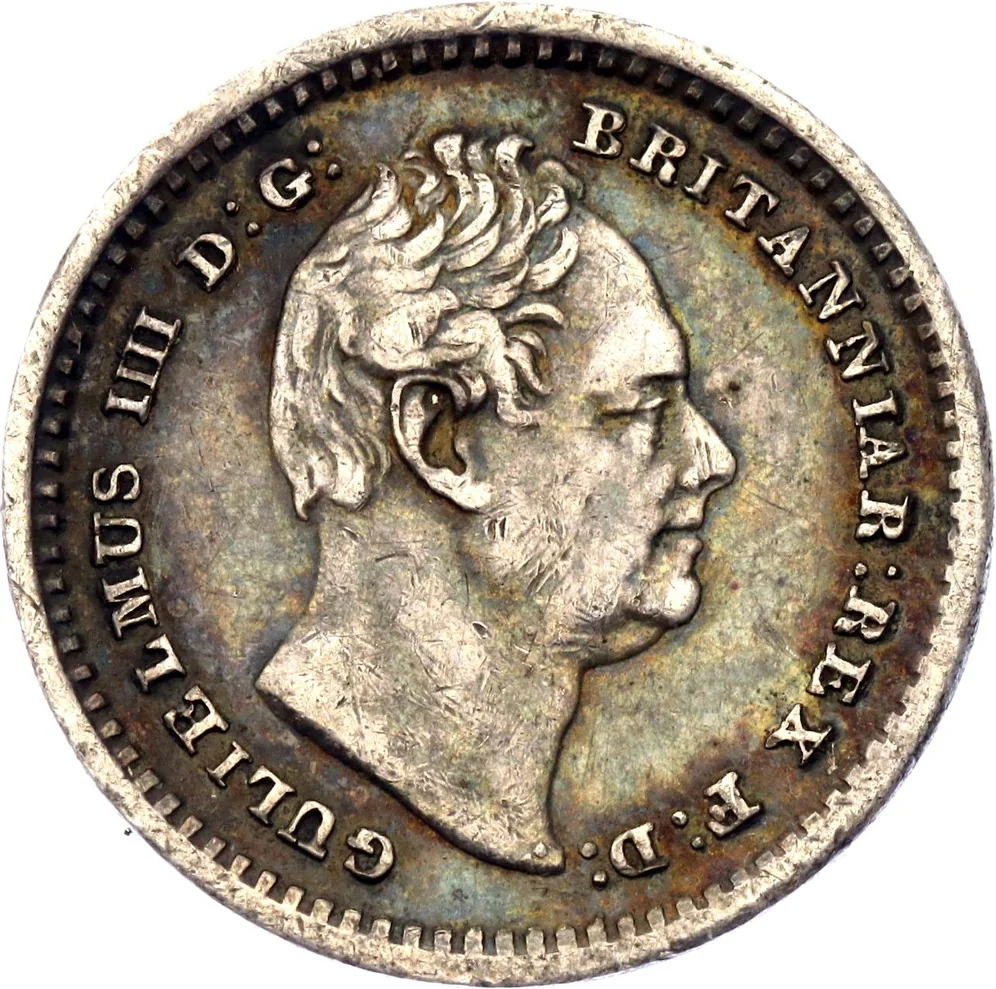
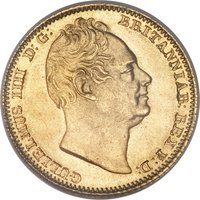
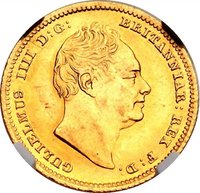
King William IV, bare head right, legend surrounding.
Inscription:
GUILELMUS IIII D:G: BRITANNIAR: REX F:D:
Translation:
William IV, by the Grace of God, King of the Britains, Defender of the Faith.
Script: Latin
Language: Latin
Engraver: William Wyon
Reverse
Description:
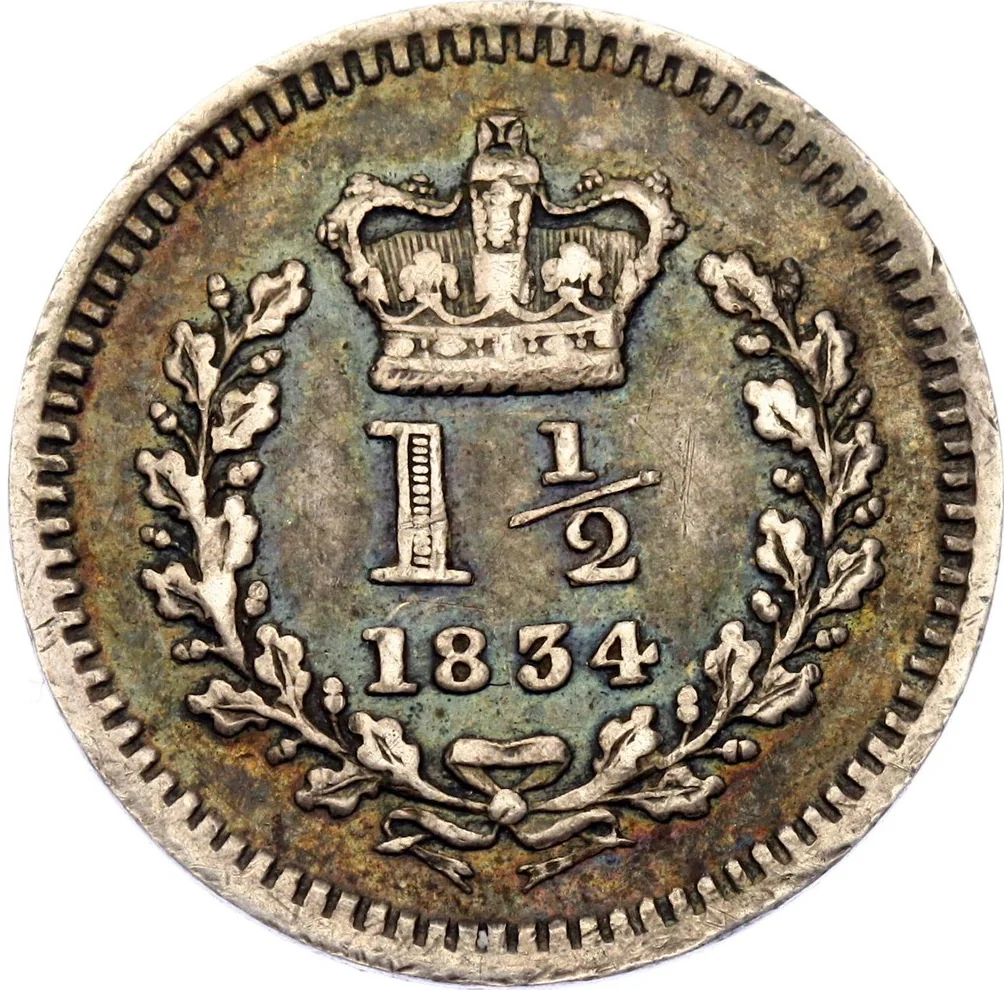
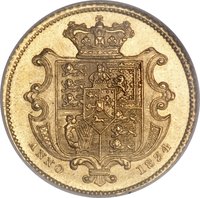
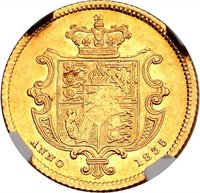
Crowned denomination above date in oak wreath. Overdate variety exists.
Inscription:
1½
1835
1835
Script: Latin
Engraver: Jean Baptiste Merlen
Edge
Plain
Mints
| Name | Mark |
|---|---|
| Royal Mint (Tower Hill) | — |
Mintings
| Year | Mint Mark | Mintage | Quality | Collection |
|---|---|---|---|---|
| 1834 | — | 800,000 | ||
| 1835 | — | 634,000 | ||
| 1836 | — | 158,000 | ||
| 1837 | — | 31,000 | ||
| 1837 | — | — | Proof |
Historical background
In 1834, the United Kingdom operated under a bimetallic currency system, but one that was in a state of practical transition and legislative uncertainty. The official standard, established by Sir Isaac Newton in 1717, set the gold-to-silver ratio at 1:15.21, but this had long been undervalued silver relative to the global market. Consequently, full-weight silver coins were being exported or melted down for bullion, leaving the circulating silver coinage in a wretched state—heavily worn, clipped, and often counterfeit. While the gold sovereign, introduced in 1817, was the principal standard unit, everyday transactions relied on a degraded and unreliable silver currency, causing public inconvenience and commercial friction.
This situation was the lingering aftermath of the Napoleonic Wars and the subsequent 1821 return to the gold standard, which had firmly established gold as the de facto foundation of the monetary system. The government had begun addressing the coinage problem with the Great Recoinage of 1816, which introduced new token silver coins (with less intrinsic value than their face value) to prevent their melting. However, by 1834, the process of replacing the old circulating silver was still incomplete. A key legislative attempt to resolve the systemic issues, the Act for the Better Regulation of Coins and for the Prevention of the Counterfeiting of Coin, was passed in 1834, but its primary focus was on reforming mint procedures and strengthening counterfeiting penalties rather than altering the metallic standard.
Thus, the currency background of 1834 is one of a nation firmly on a gold standard in practice, yet struggling with the legacy and practical management of its subsidiary silver coinage. The economic and political debates of the time were increasingly focused on the adequacy of the money supply for a growing industrial economy, with the "Currency School" and "Banking School" beginning to formulate opposing theories. While the bimetallic standard legally persisted, the effective demonetisation of silver was underway, setting the stage for its formal end with the Gold Standard Act of 1844, which would conclusively make gold the sole measure of value.
This situation was the lingering aftermath of the Napoleonic Wars and the subsequent 1821 return to the gold standard, which had firmly established gold as the de facto foundation of the monetary system. The government had begun addressing the coinage problem with the Great Recoinage of 1816, which introduced new token silver coins (with less intrinsic value than their face value) to prevent their melting. However, by 1834, the process of replacing the old circulating silver was still incomplete. A key legislative attempt to resolve the systemic issues, the Act for the Better Regulation of Coins and for the Prevention of the Counterfeiting of Coin, was passed in 1834, but its primary focus was on reforming mint procedures and strengthening counterfeiting penalties rather than altering the metallic standard.
Thus, the currency background of 1834 is one of a nation firmly on a gold standard in practice, yet struggling with the legacy and practical management of its subsidiary silver coinage. The economic and political debates of the time were increasingly focused on the adequacy of the money supply for a growing industrial economy, with the "Currency School" and "Banking School" beginning to formulate opposing theories. While the bimetallic standard legally persisted, the effective demonetisation of silver was underway, setting the stage for its formal end with the Gold Standard Act of 1844, which would conclusively make gold the sole measure of value.
🌱 Fairly Common