

100 Rubles – Khorezm People's Soviet Republic
Context
Year: 1921
Islamic (Hijri) Year: 1339
Country: Central Asia
Issuer: Khorezm People's Soviet Republic
Period:
(1920—1924)
Currency:
(1920—1925)
Demonetized: Yes
Total mintage: 46,336
Material
Diameter: 21 mm
Weight: 6.7 g
Thickness: 2 mm
Shape: Irregular round
Composition: Bronze
Magnetic: No
Alignment: Coin alignment
flip
References
Y: #Click to copy to clipboard17
Numista: #17988
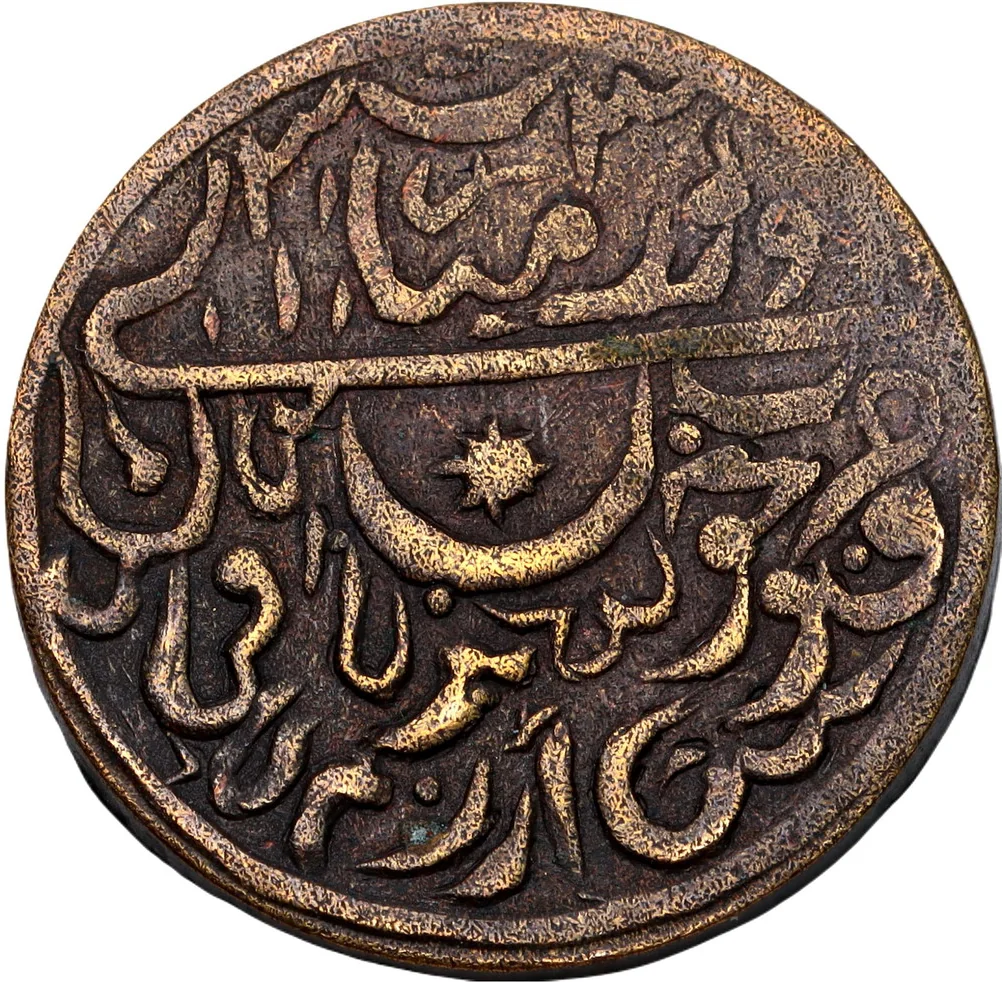
Obverse
Description:
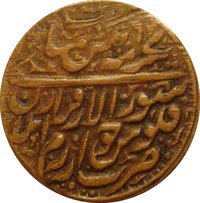
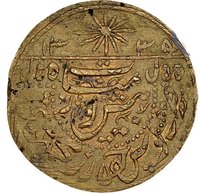
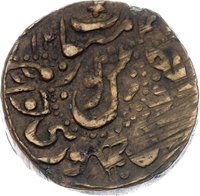
Crescent and star, inscription and date above, legend below.
Inscription:
١٣٣٩
يوز منات
ضرب فلوس خوارزم شورالار قرارى الان
يوز منات
ضرب فلوس خوارزم شورالار قرارى الان
Translation:
1339
Yuz Mänät
Struck at Khwārazm by decision of the Shuralar
Yuz Mänät
Struck at Khwārazm by decision of the Shuralar
Language: Arabic
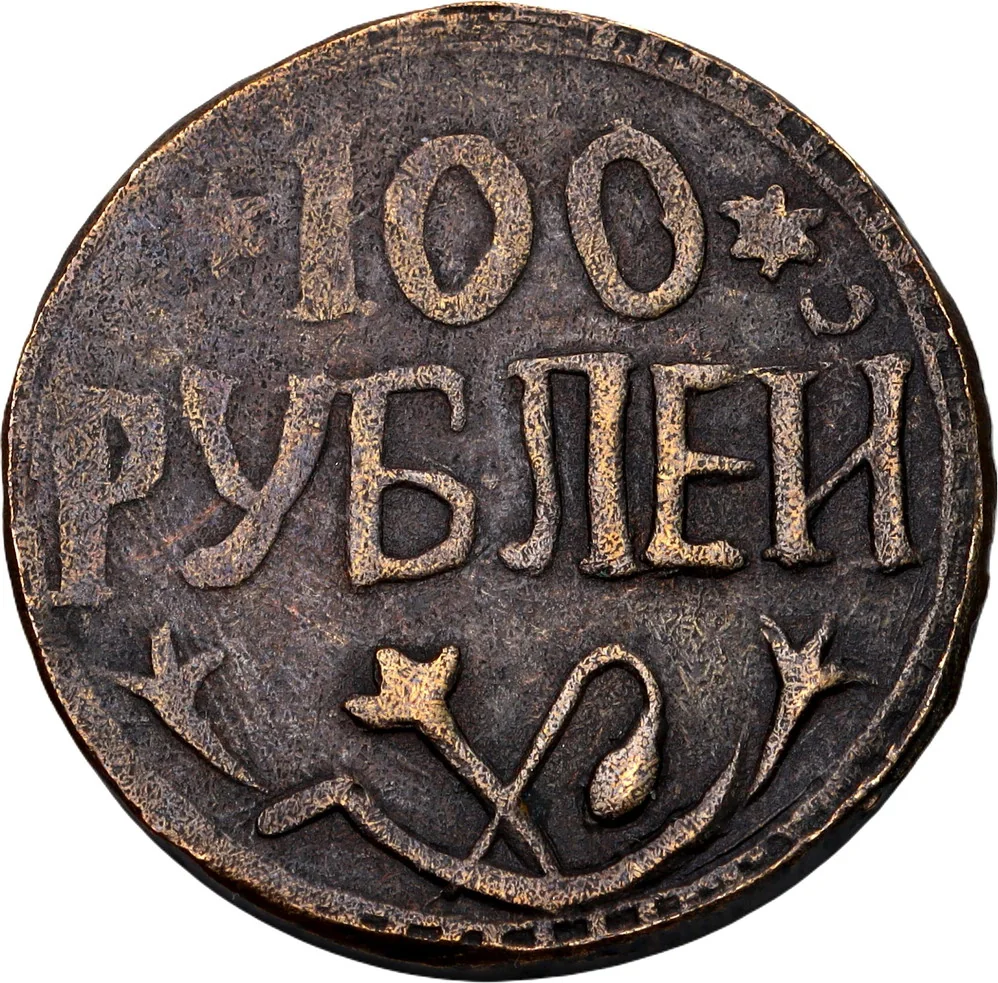
Reverse
Description:
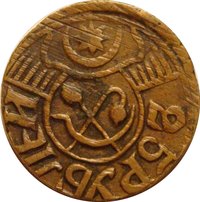
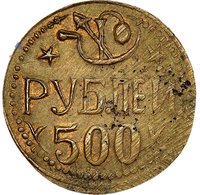
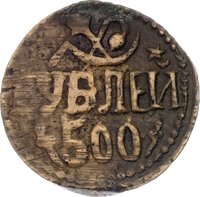
100 Roubles, Russian text, arms below.
Inscription:
100
РУБЛЕЙ
РУБЛЕЙ
Translation:
ONE HUNDRED RUBLES
Language: Russian
Edge
Plain
Categories
| Symbols> Coat of Arms |
| Symbol> Moon |
Mintings
| Year | Mint Mark | Mintage | Quality | Collection |
|---|---|---|---|---|
| 1921 | — | 46,336 |
Historical background
The currency situation in the Khorezm People's Soviet Republic (KhPSR) in 1921 was defined by extreme instability and a complex layering of monetary systems, a direct legacy of its recent revolutionary transition. The republic, established in 1920 after the fall of the Khanate of Khiva, inherited an economy devastated by years of war and a circulatory system saturated with devalued Tsarist-era Russian rubles, various local and Bukharan tenga coins, and even older silver dirhams. This monetary chaos was exacerbated by the policies of the preceding Khanate, which had heavily debased its currency, and the ongoing civil war in Russia, which saw a massive influx of virtually worthless "Sovznak" (Soviet paper rubles) into Central Asian markets, causing hyperinflation.
Facing this crisis, the Khorezm government, under strong influence and pressure from Moscow, attempted to assert monetary control. In 1921, it initiated the issuance of its own paper currency, the Khorezm ruble. However, this was not a confident sovereign issue but a desperate measure of necessity. The new notes were poorly printed, easily forged, and most critically, were not backed by substantial reserves or public confidence. They essentially functioned as another layer of inflationary paper alongside the plunging Sovznaks, failing to displace the older metallic currencies that people still hoarded for their intrinsic value.
Therefore, the background of 1921 is one of a failed monetary transition. The Khorezm ruble did not stabilize the economy but rather reflected the republic's limited sovereignty and the overwhelming economic dislocation of the period. The situation would only begin to resolve after 1923-1924 with the currency reforms of the Soviet Union, which dissolved the KhPSR and integrated its territory into the new Soviet administrative structure, forcibly replacing the entire chaotic mix with a unified Soviet currency. Thus, the currency situation in 1921 Khorezm was a transient phase of hyperinflation and fragmentation, poised to be ended by direct absorption into the Soviet monetary zone.
Facing this crisis, the Khorezm government, under strong influence and pressure from Moscow, attempted to assert monetary control. In 1921, it initiated the issuance of its own paper currency, the Khorezm ruble. However, this was not a confident sovereign issue but a desperate measure of necessity. The new notes were poorly printed, easily forged, and most critically, were not backed by substantial reserves or public confidence. They essentially functioned as another layer of inflationary paper alongside the plunging Sovznaks, failing to displace the older metallic currencies that people still hoarded for their intrinsic value.
Therefore, the background of 1921 is one of a failed monetary transition. The Khorezm ruble did not stabilize the economy but rather reflected the republic's limited sovereignty and the overwhelming economic dislocation of the period. The situation would only begin to resolve after 1923-1924 with the currency reforms of the Soviet Union, which dissolved the KhPSR and integrated its territory into the new Soviet administrative structure, forcibly replacing the entire chaotic mix with a unified Soviet currency. Thus, the currency situation in 1921 Khorezm was a transient phase of hyperinflation and fragmentation, poised to be ended by direct absorption into the Soviet monetary zone.
💎 Extremely Rare