

50 Cents – East Africa
Context
Years: 1921–1924
Issuer: East Africa
Ruler: George V
Currency:
(1921—1967)
Demonetized: Yes
Total mintage: 7,596,000
Material
References
KM: #Click to copy to clipboard20
Numista: #10711
Obverse
Description:
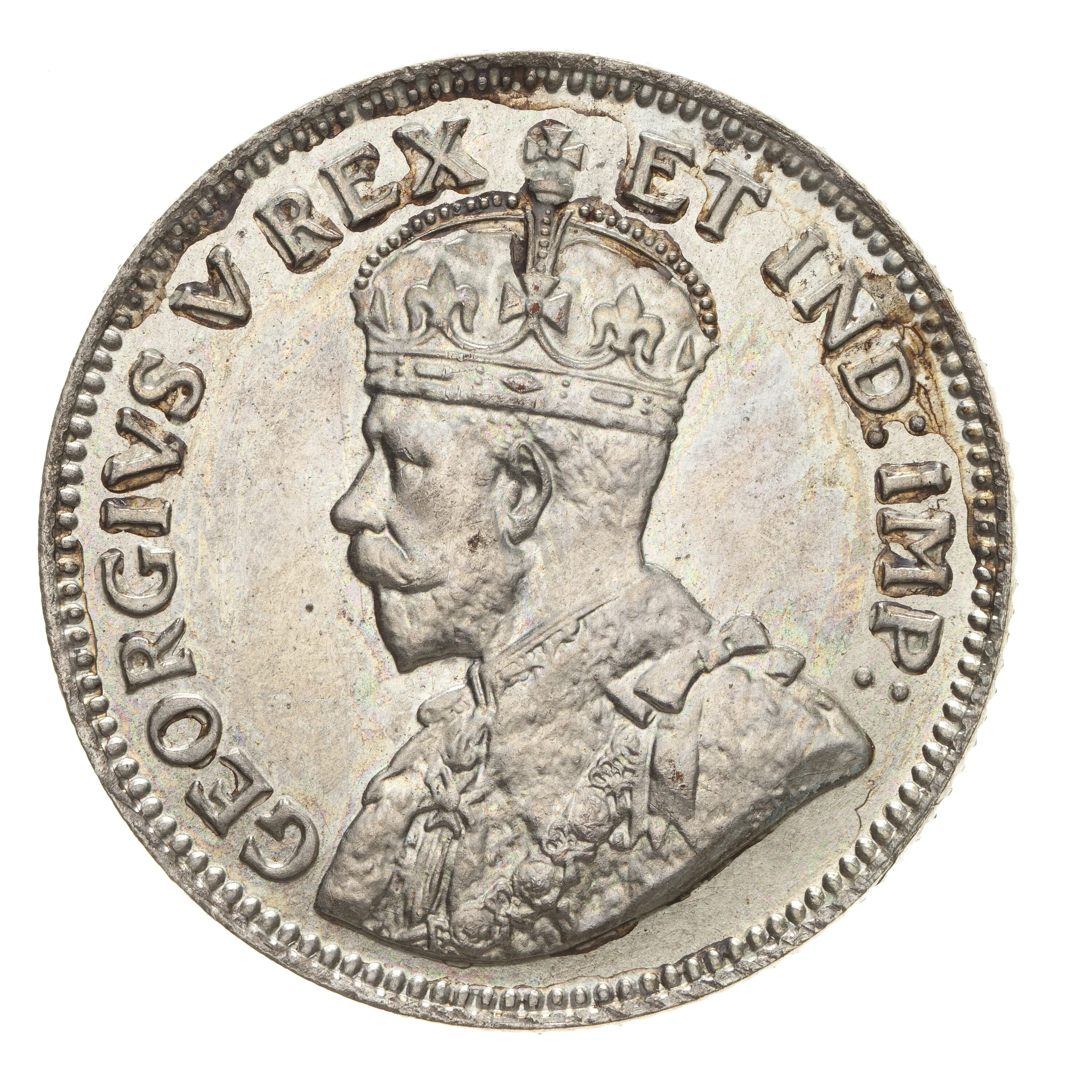
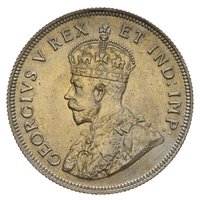
George V bust left, legend surrounding.
Inscription:
GEORGIVS V REX ET IND:IMP:
B. M.
B. M.
Script: Latin
Engraver: Edgar Bertram MacKennal
Reverse
Description:
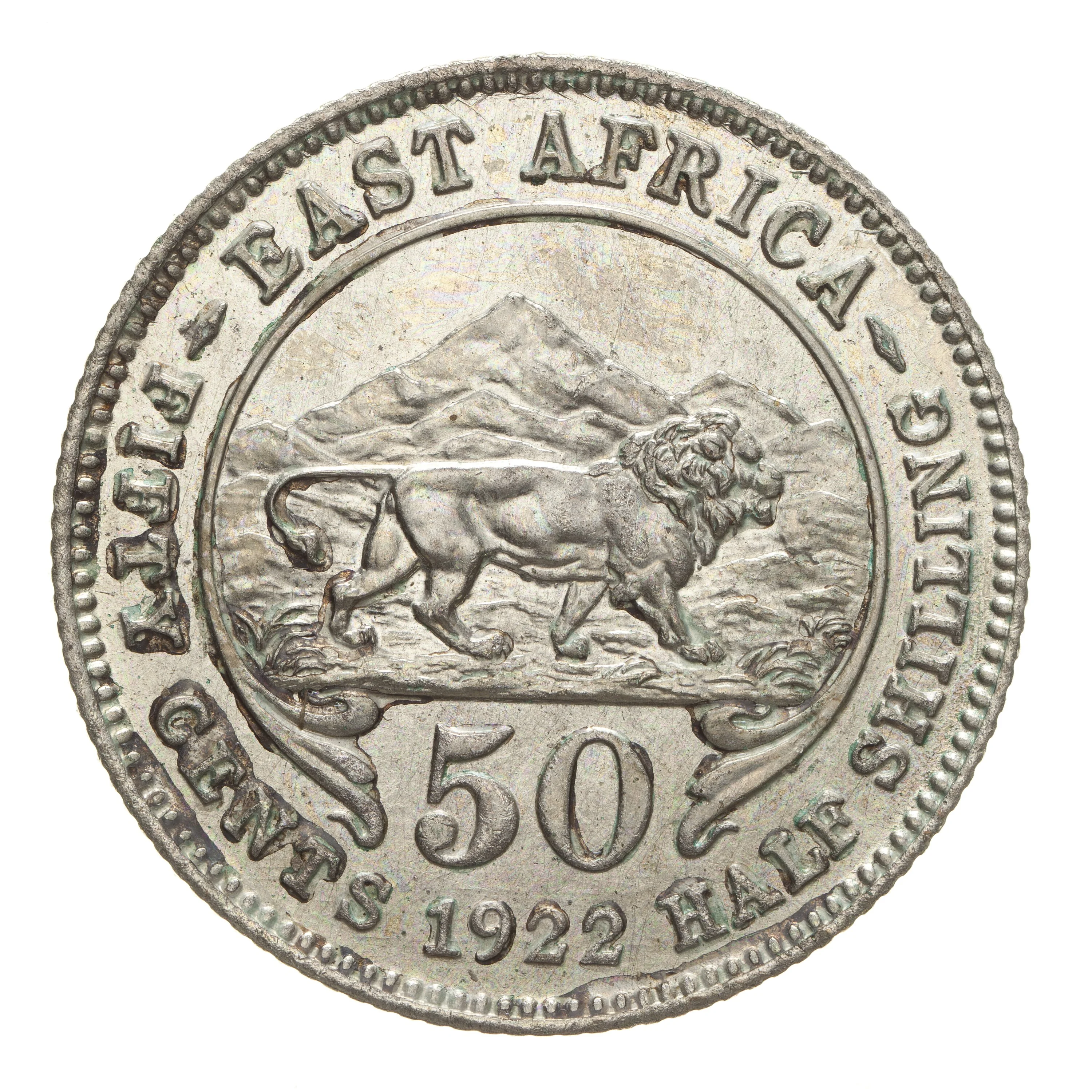
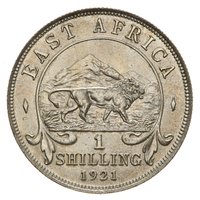
Lion walking right, with name, date, and surrounding caption.
Inscription:
EAST AFRICA
50
FIFTY CENTS 1924 HALF SHILLING
50
FIFTY CENTS 1924 HALF SHILLING
Script: Latin
Edge
Reeded
Mints
| Name | Mark |
|---|---|
| Royal Mint (Tower Hill) | — |
Mintings
| Year | Mint Mark | Mintage | Quality | Collection |
|---|---|---|---|---|
| 1921 | — | 6,200,000 | ||
| 1922 | — | — | ||
| 1923 | — | 396,000 | ||
| 1924 | — | 1,000,000 |
Historical background
In 1921, the currency situation in East Africa was dominated by the aftermath of World War I and the colonial monetary systems. The region was not unified; British East Africa (Kenya, Uganda, and Tanganyika, the latter a League of Nations mandate) primarily used the East African florin, introduced in 1920 to replace the Indian rupee. This change was driven by Britain's desire to sever the Indian currency link and align its colonies more closely with sterling, as the florin was pegged at two shillings. Meanwhile, neighbouring territories like Italian Somaliland and Portuguese Mozambique operated on their own distinct colonial currencies, creating a complex patchwork of monetary zones that hindered regional trade.
The post-war economic climate heavily influenced currency stability. A major global silver shortage caused the intrinsic value of silver coinage to exceed its face value, leading to widespread hoarding and melting down of coins. This created acute shortages of small change, hampering daily transactions and causing significant inconvenience for both local populations and colonial administrations. The situation was exacerbated by a post-war economic slump, which depressed commodity prices for the region's key exports like cotton and coffee, straining colonial finances and limiting the resources available for monetary reform.
Consequently, 1921 was a year of transition and difficulty. The new East African florin faced public skepticism and practical challenges in circulation amidst the coin shortage. Colonial authorities grappled with restoring a stable medium of exchange, a problem that would lead to the florin's own replacement by the East African shilling in 1922. This period underscored how East Africa's currency was not an organic economic development but a tool of colonial policy, vulnerable to global metallic markets and imperial decisions made far from the region's shores.
The post-war economic climate heavily influenced currency stability. A major global silver shortage caused the intrinsic value of silver coinage to exceed its face value, leading to widespread hoarding and melting down of coins. This created acute shortages of small change, hampering daily transactions and causing significant inconvenience for both local populations and colonial administrations. The situation was exacerbated by a post-war economic slump, which depressed commodity prices for the region's key exports like cotton and coffee, straining colonial finances and limiting the resources available for monetary reform.
Consequently, 1921 was a year of transition and difficulty. The new East African florin faced public skepticism and practical challenges in circulation amidst the coin shortage. Colonial authorities grappled with restoring a stable medium of exchange, a problem that would lead to the florin's own replacement by the East African shilling in 1922. This period underscored how East Africa's currency was not an organic economic development but a tool of colonial policy, vulnerable to global metallic markets and imperial decisions made far from the region's shores.
🌱 Common