

8 maravedis – Spain
Add to wishlist
Spain
Context
Material
References
KM: #
Numista: #17915
Obverse
Description:
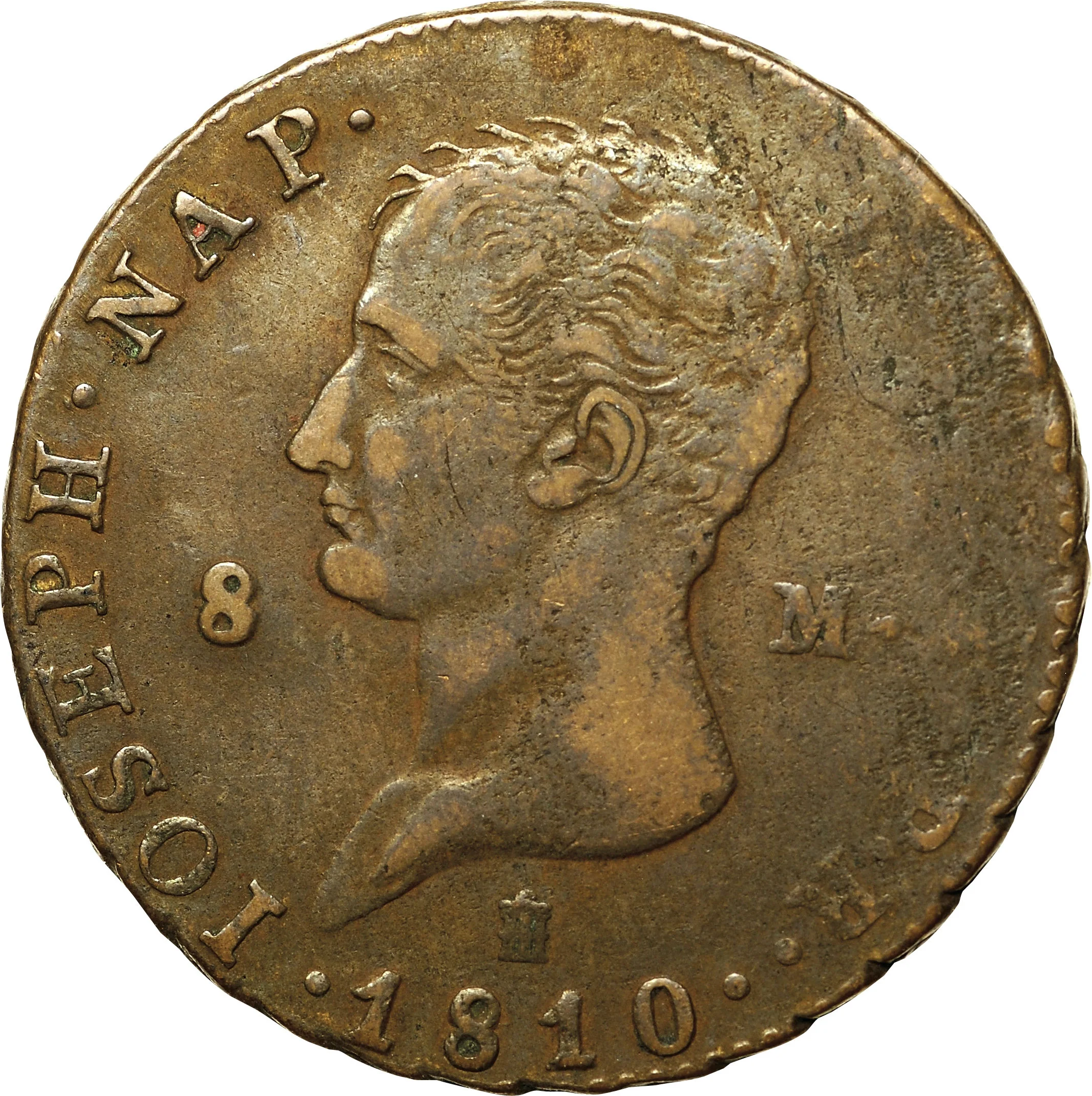
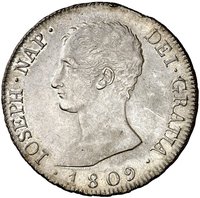
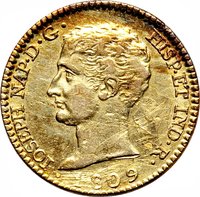
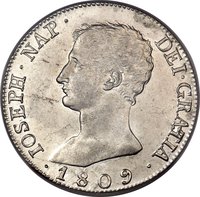
King Joseph Napoleon, head left.
Inscription:
IOSEPH · NAP · D · G · HISP · R ·
8 M ·
· 1810 ·
8 M ·
· 1810 ·
Translation:
Joseph Napoleon, by the Grace of God, King of Spain and the Indies.
8 Maravedis.
1810.
8 Maravedis.
1810.
Script: Latin
Language: Latin
Engraver: Pedro González de Sepúlveda
Reverse
Description:
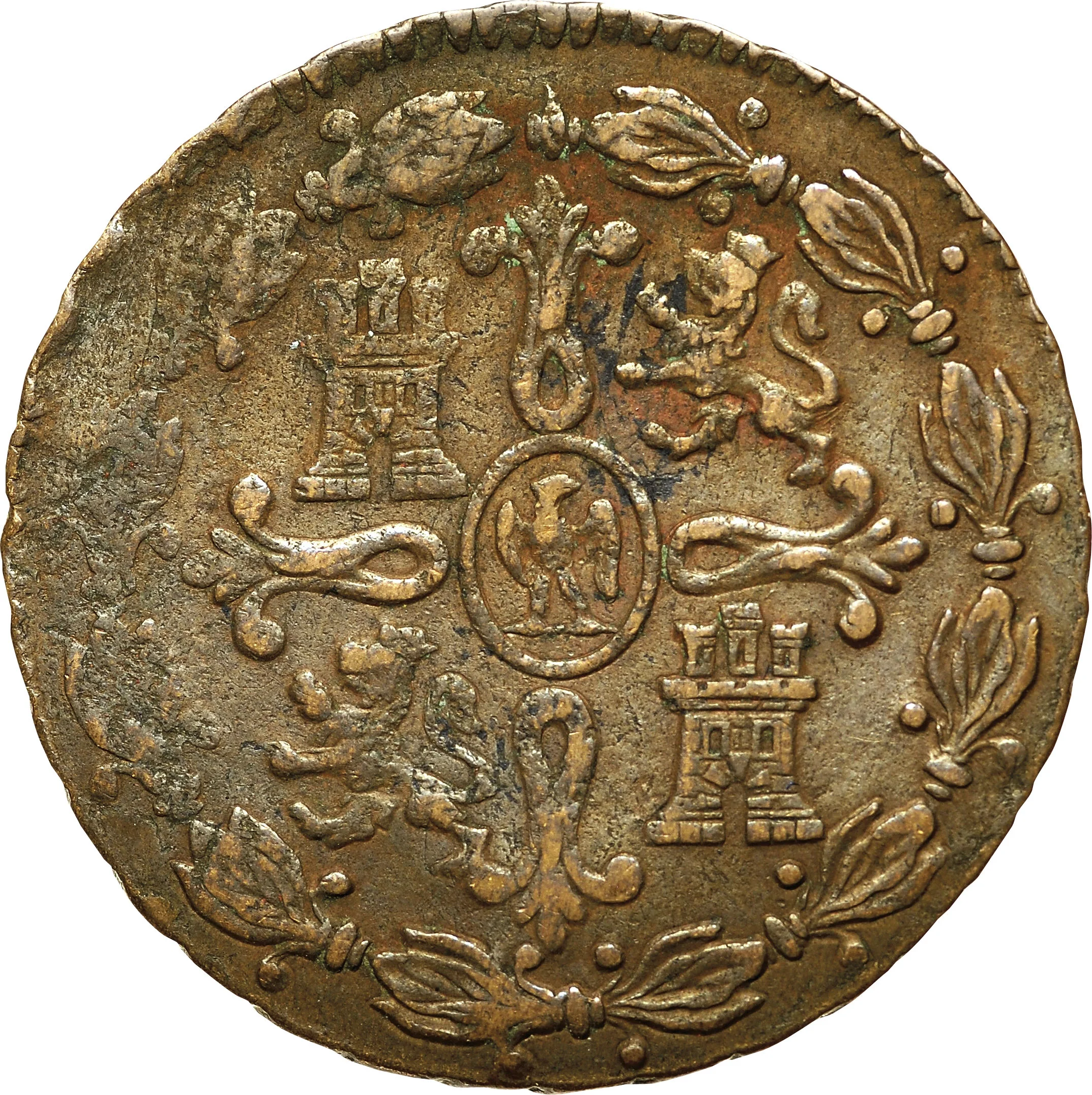
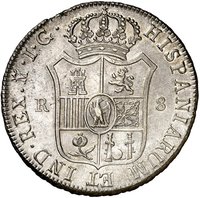
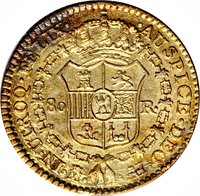
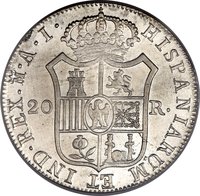
Cross of Don Pelayo featuring castles and lions for Castile and Leon, a central Bourbon fleur-de-lis oval, and a perimeter wreath.
Engraver: Pedro González de Sepúlveda
Edge
Plain
Categories
| Animal> Feline |
| Building> Castle or fortification |
| Symbol> Fleur-de-lis |
| Symbol> Wreath |
| Symbol> Cross |
Mints
| Name | Mark |
|---|---|
| Royal Mint of Segovia | — |
Mintings
| Year | Mint Mark | Mintage | Quality | Collection |
|---|---|---|---|---|
| 1809 | — | — | ||
| 1810 | — | — | ||
| 1811 | — | — | ||
| 1812 | — | — | ||
| 1813 | — | — |
Historical background
In 1809, Spain was in the throes of the Peninsular War, a brutal conflict against Napoleon's occupying forces. This warfare had catastrophic effects on the Spanish economy and its currency system. The legitimate government, the Junta Central, was displaced and on the run, severely undermining its ability to manage fiscal policy. To finance the war effort, it resorted to desperate measures, including the confiscation of church and noble property and, most significantly, the massive issuance of paper money known as vales reales (royal bonds). These were not true currency but interest-bearing promissory notes that began to circulate as money due to a severe shortage of precious metals.
The financial situation was one of hyperinflation and chaos. The over-issuance of vales reales, without sufficient bullion reserves to back them, led to a catastrophic loss in value. By 1809, these notes were trading at a small fraction of their face value, destroying public confidence. Furthermore, the French occupation authorities in key regions like Madrid issued their own currency, while local Spanish juntas and even some military commanders also produced emergency coinage and paper notes. This resulted in a bewildering patchwork of currencies of wildly differing values, making trade and economic calculation nearly impossible.
Consequently, the Spanish monetary landscape in 1809 was defined by a retreat to tangible value. In daily transactions, people increasingly relied on scarce silver reales and copper maravedís, hoarding precious metals and driving small change out of circulation. Barter became common, and the economy fractured along regional lines. The currency crisis was both a symptom and a cause of the profound disintegration of the Spanish state, reflecting a nation where political sovereignty was contested and economic life had regressed to a more primitive and localized level amidst the devastation of war.
The financial situation was one of hyperinflation and chaos. The over-issuance of vales reales, without sufficient bullion reserves to back them, led to a catastrophic loss in value. By 1809, these notes were trading at a small fraction of their face value, destroying public confidence. Furthermore, the French occupation authorities in key regions like Madrid issued their own currency, while local Spanish juntas and even some military commanders also produced emergency coinage and paper notes. This resulted in a bewildering patchwork of currencies of wildly differing values, making trade and economic calculation nearly impossible.
Consequently, the Spanish monetary landscape in 1809 was defined by a retreat to tangible value. In daily transactions, people increasingly relied on scarce silver reales and copper maravedís, hoarding precious metals and driving small change out of circulation. Barter became common, and the economy fractured along regional lines. The currency crisis was both a symptom and a cause of the profound disintegration of the Spanish state, reflecting a nation where political sovereignty was contested and economic life had regressed to a more primitive and localized level amidst the devastation of war.
Series: 1809 Spain circulation coins
⭐ Somewhat Rare