

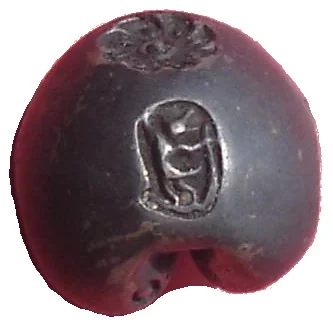
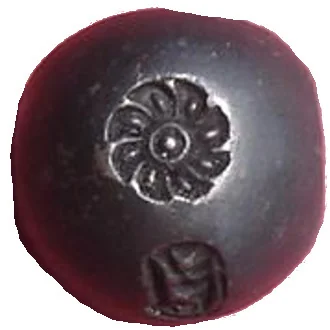
10 salung – Thailand
Add to wishlist
Thailand
Context
Material
References
Numista: #178711
Value
Bullion value: $91.41
Obverse
Description:
Krut Siao (left-facing Garuda)
Reverse
Description:
Energy centers in the body.
Edge
Mintings
| Year | Mint Mark | Mintage | Quality | Collection |
|---|---|---|---|---|
| 1825 | — | — |
Historical background
In 1825, Thailand, then known as Siam under the reign of King Rama III (r. 1824–1851), operated a complex pre-modern monetary system. The economy was not yet monetized in a uniform sense; instead, it relied on a combination of commodity money, bullet-shaped silver known as pod duang, and foreign coins. The primary unit of account was the baht, which represented both a weight of silver (approximately 15 grams) and a denomination. However, actual transactions, especially for common people, often involved barter or the use of standardized goods like rice, cloth, and cowrie shells as mediums of exchange, particularly in rural areas and for small-scale trade.
The most distinctive feature of the currency was the hand-made, bullet-shaped pod duang (or "bullet money"). These small lumps of silver, bearing various official marks and chops to attest to their purity, were produced by the royal treasury. Their value was intrinsically tied to their weight and silver content. For larger transactions, especially in foreign trade, a variety of foreign silver coins circulated, including Spanish and Mexican dollars (8 Reales), Indian rupees, and Chinese sycee (silver ingots). These were accepted by weight and fineness, creating a de facto bimetallic system where gold also played a role for high-value transactions and state reserves.
This period marked the beginning of significant external pressure on Siam's traditional monetary system. The expansion of European colonial trade, particularly with the British after the Anglo-Siamese Treaty of 1826, increased the influx of foreign coinage and the demand for a more standardized currency to facilitate commerce. King Rama III, while fiscally conservative, recognized these challenges. The decade saw the first tentative experiments with machine-struck coinage, laying the groundwork for the comprehensive monetary reforms that would be undertaken by his successor, King Mongkut (Rama IV), who introduced flat, round coins in the 1860s to modernize the Siamese economy.
The most distinctive feature of the currency was the hand-made, bullet-shaped pod duang (or "bullet money"). These small lumps of silver, bearing various official marks and chops to attest to their purity, were produced by the royal treasury. Their value was intrinsically tied to their weight and silver content. For larger transactions, especially in foreign trade, a variety of foreign silver coins circulated, including Spanish and Mexican dollars (8 Reales), Indian rupees, and Chinese sycee (silver ingots). These were accepted by weight and fineness, creating a de facto bimetallic system where gold also played a role for high-value transactions and state reserves.
This period marked the beginning of significant external pressure on Siam's traditional monetary system. The expansion of European colonial trade, particularly with the British after the Anglo-Siamese Treaty of 1826, increased the influx of foreign coinage and the demand for a more standardized currency to facilitate commerce. King Rama III, while fiscally conservative, recognized these challenges. The decade saw the first tentative experiments with machine-struck coinage, laying the groundwork for the comprehensive monetary reforms that would be undertaken by his successor, King Mongkut (Rama IV), who introduced flat, round coins in the 1860s to modernize the Siamese economy.
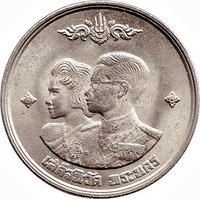
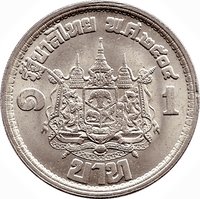
✨ Legendary