

1 Rupee – Madras Presidency
India
Context
Year: 1823
Islamic (Hijri) Year: 1172
Country: India 
Issuer: Madras Presidency
Currency:
(1691—1835)
Demonetized: Yes
Material
References
KM: #Click to copy to clipboard427
Numista: #17862
Value
Bullion value: $33.37
Obverse
Description:
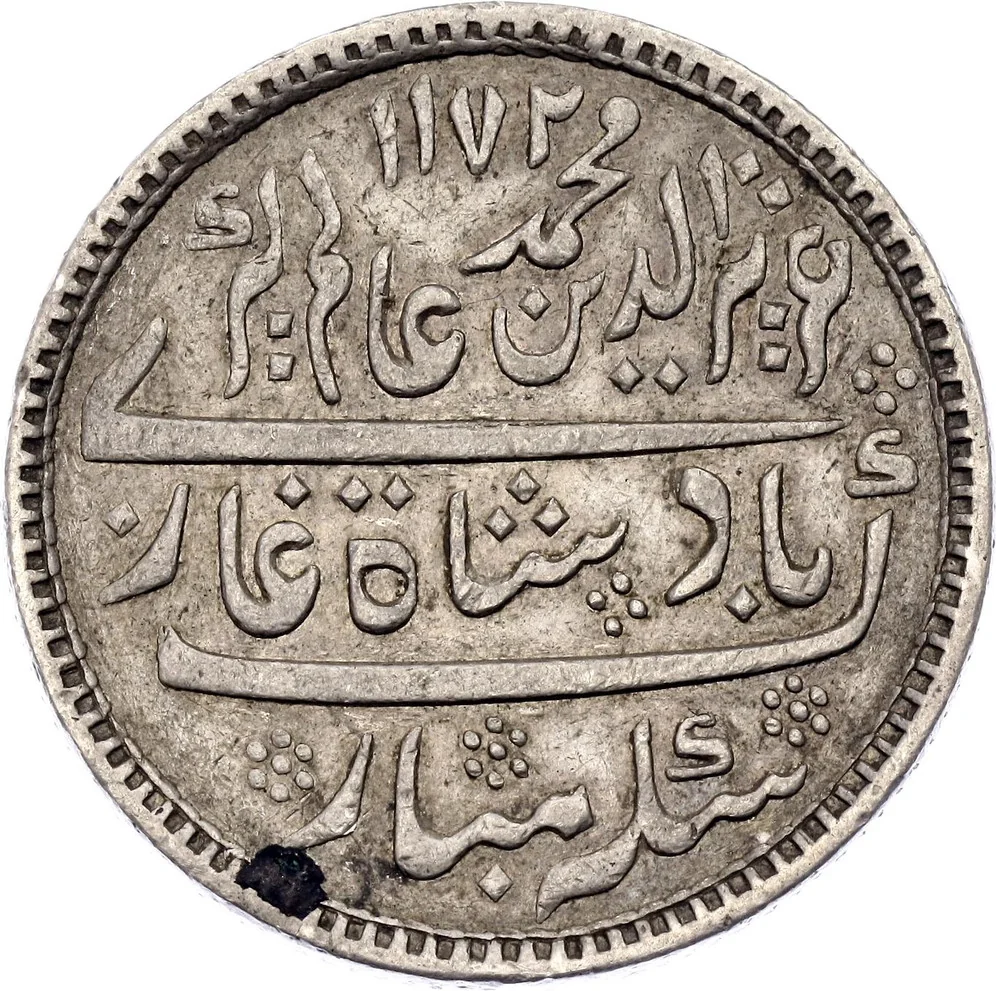
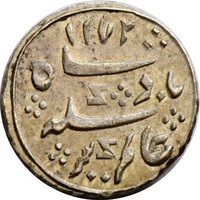
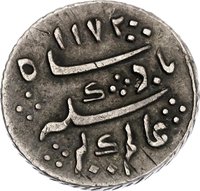
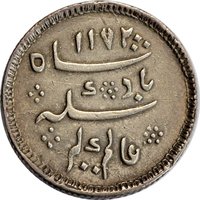
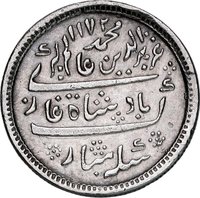
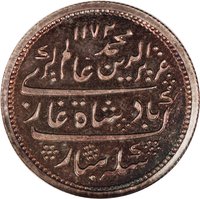
Persian legend: "1172 Sikka Mubarak, Badshah ghazi Aziz-ud-din Muhammad, Alamgir" within a toothed border.
Inscription:
١١۷٢
محمد عالم كير
عزيز الدين
باد شاه غازي
سكه مبارك
محمد عالم كير
عزيز الدين
باد شاه غازي
سكه مبارك
Translation:
Muhammad Alamgir
Aziz al-Din
Badshah Ghazi
Blessed Coin
Aziz al-Din
Badshah Ghazi
Blessed Coin
Language: Persian
Reverse
Description:
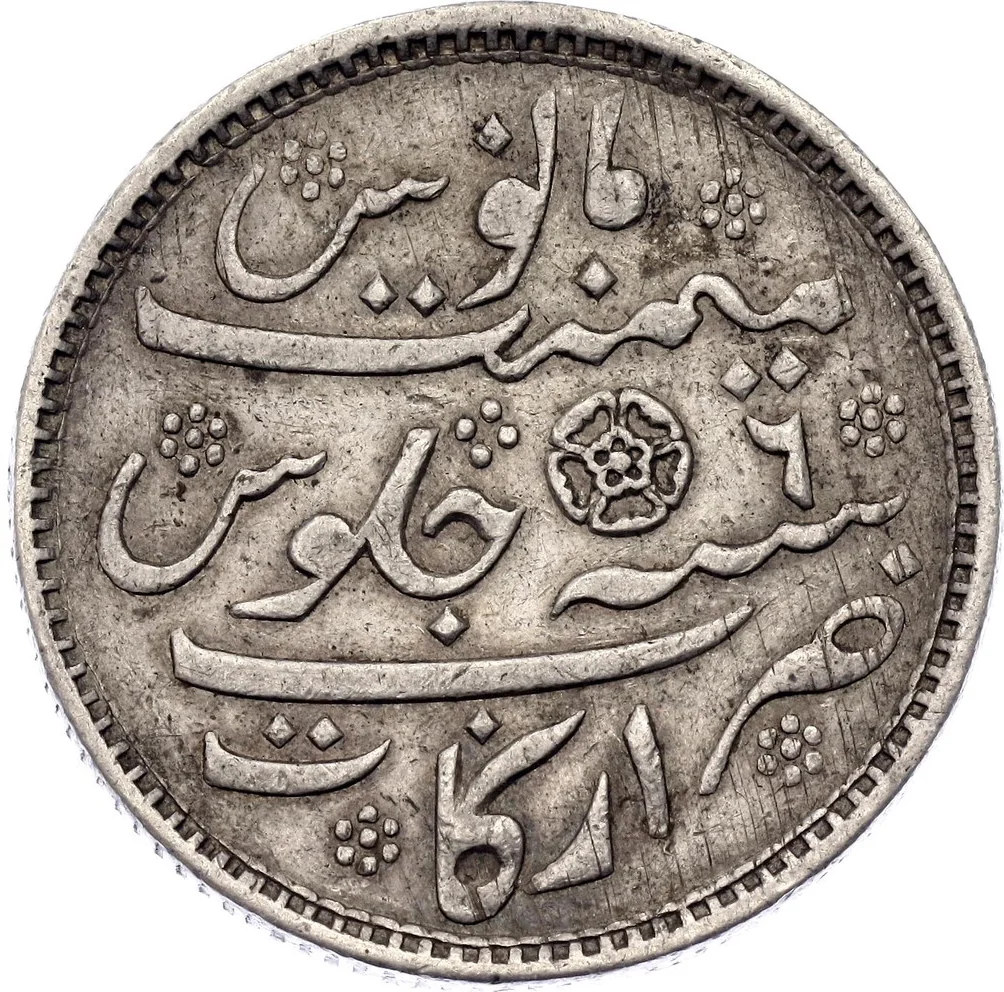
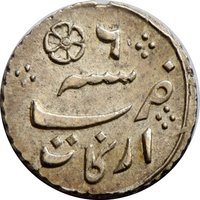
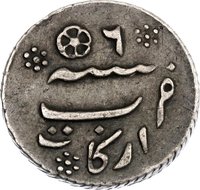
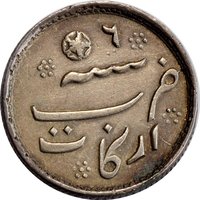
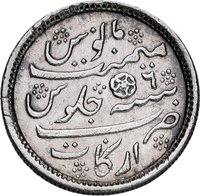
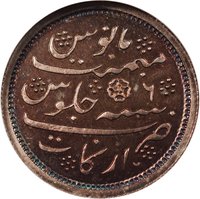
Zarb Arcat, 6th year of prosperous reign.
Inscription:
ممنت مانوس
سنه ٦ جلوس
ضرب اركات
سنه ٦ جلوس
ضرب اركات
Translation:
In the year 6 of the reign
Minted at Arcot
Minted at Arcot
Language: Arabic
Edge
Reeded
Mintings
| Year | Mint Mark | Mintage | Quality | Collection |
|---|---|---|---|---|
| 1823 | — | — |
Historical background
In 1823, the Madras Presidency was navigating a complex and often chaotic currency system, a legacy of its diverse pre-colonial economies and early Company rule. The primary unit was the silver Star Pagoda, but the rupee, both Mughal and newer Company issues, was gaining dominance for larger transactions. However, the everyday economy relied heavily on a bewildering array of copper coins—including various cash (kāsu) from local mints, as well as Dutch, French, and Portuguese issues—leading to inconsistent valuations and widespread counterfeiting. This multi-currency environment created significant challenges for trade and revenue collection, as exchange rates between gold, silver, and copper currencies fluctuated locally.
The East India Company administration had been attempting to impose order since the late 18th century. A key reform was the introduction of the Gold Mohur in 1818, fixed at 15 silver rupees, in an attempt to establish a bimetallic standard. However, the system remained unstable. The overvaluation of silver against gold in the Company's fixed ratio, compared to global markets, led to the export of silver rupees, creating a scarcity. Meanwhile, the chronic shortage of trustworthy small-change copper coins hampered daily commerce for the majority of the population, fostering reliance on often-debased private tokens.
Thus, 1823 represents a point of transition within a prolonged period of monetary experimentation. The Presidency was caught between the old, fragmented system and an incomplete new order, with the Company's centralizing policies struggling against market realities and acute specie shortages. This instability would ultimately lead to more decisive action, culminating in the Currency Act of 1835, which standardized the rupee as the sole legal tender for British India, finally bringing a unified system to Madras and beyond.
The East India Company administration had been attempting to impose order since the late 18th century. A key reform was the introduction of the Gold Mohur in 1818, fixed at 15 silver rupees, in an attempt to establish a bimetallic standard. However, the system remained unstable. The overvaluation of silver against gold in the Company's fixed ratio, compared to global markets, led to the export of silver rupees, creating a scarcity. Meanwhile, the chronic shortage of trustworthy small-change copper coins hampered daily commerce for the majority of the population, fostering reliance on often-debased private tokens.
Thus, 1823 represents a point of transition within a prolonged period of monetary experimentation. The Presidency was caught between the old, fragmented system and an incomplete new order, with the Company's centralizing policies struggling against market realities and acute specie shortages. This instability would ultimately lead to more decisive action, culminating in the Currency Act of 1835, which standardized the rupee as the sole legal tender for British India, finally bringing a unified system to Madras and beyond.
⭐ Rare