

2 zlotys – Poland
Add to wishlist
Circulating commemorative coins
Commemoration: Sigismund III Vasa (1587 - 1632)
Series: Polish Kings and Princes
Poland
Context
Material
Diameter: 27 mm
Weight: 8.15 g
Thickness: 2 mm
Shape: Round
Composition: Nordic gold
Magnetic: No
Technique: Milled
Alignment: Medal alignment
flip
References
Y: #
Numista: #17779
Value
Exchange value: 2 PLN
Inflation-adjusted value: 5.81 PLN
Obverse
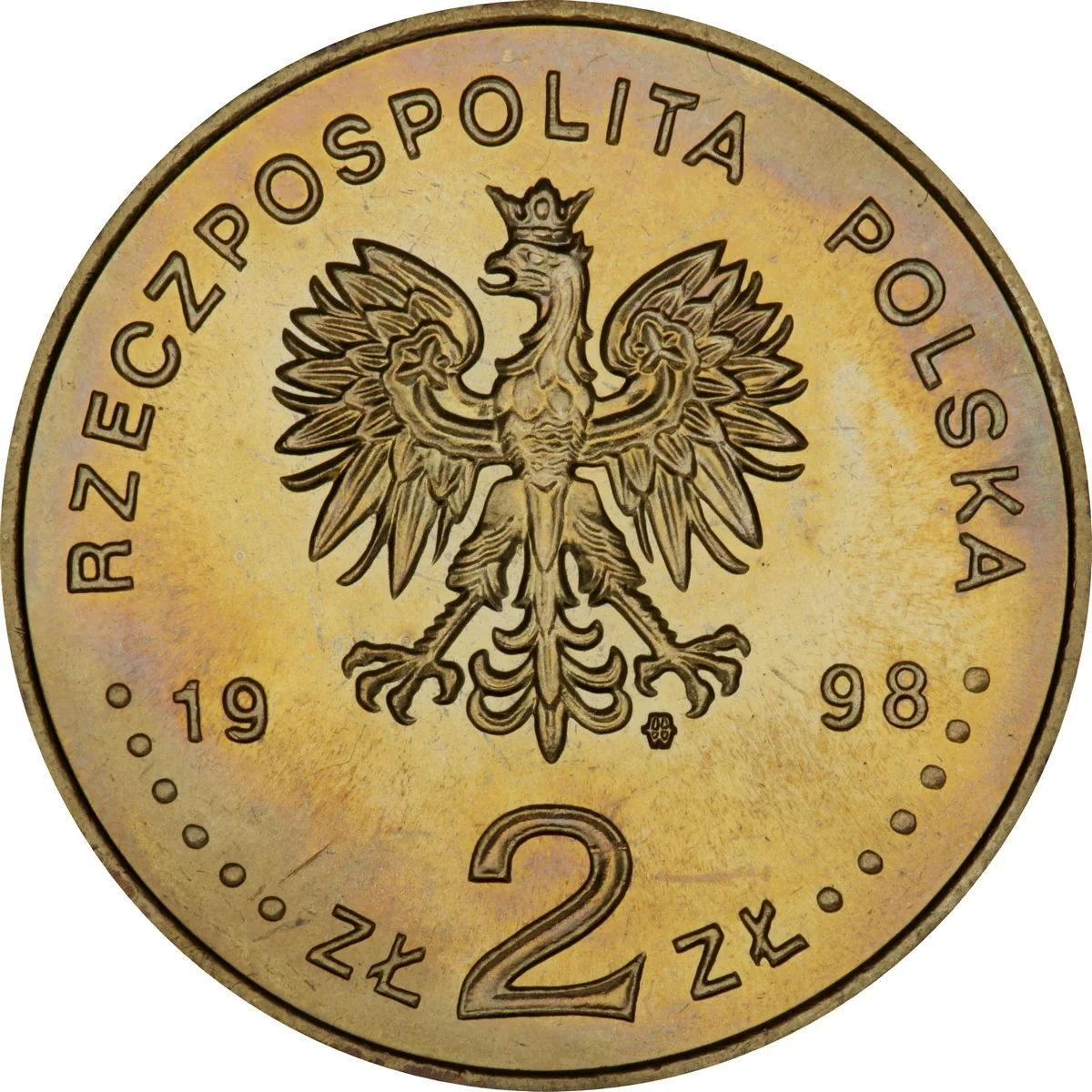
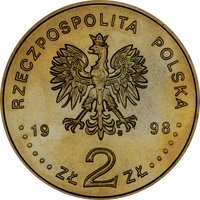
Description:
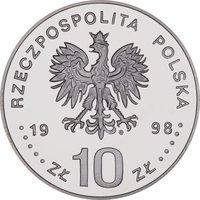
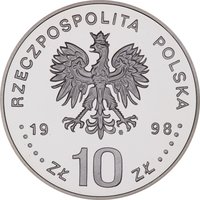
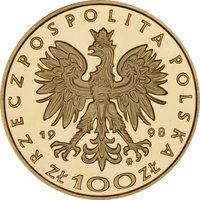
Polish Eagle
Inscription:
RZECZPOSPOLITA POLSKA
mw
1998
ZŁ 2 ZŁ
mw
1998
ZŁ 2 ZŁ
Translation:
REPUBLIC OF POLAND
mw
1998
2 ZŁOTYCH
mw
1998
2 ZŁOTYCH
Script: Latin
Language: Polish
Designer: Ewa Tyc-Karpińska
Reverse
Description:
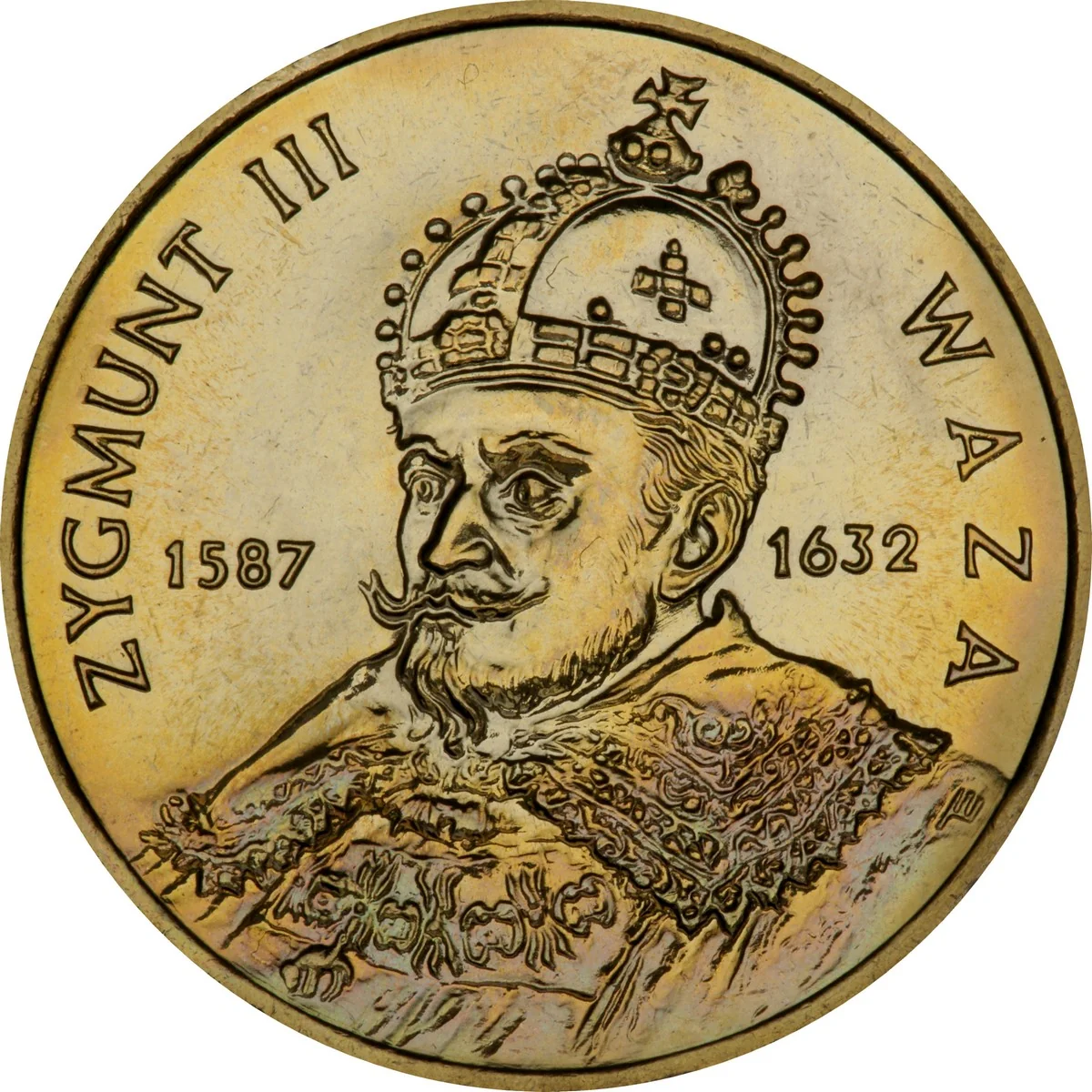
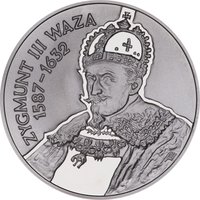
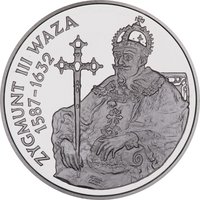
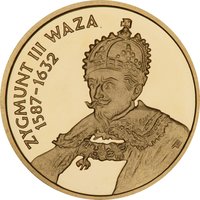
Portrait of King Sigismund III Vasa of Poland.
Inscription:
ZYGMUNT III WAZA
1587 1632
1587 1632
Script: Latin
Designer: Ewa Tyc-Karpińska
Edge
Eight times repeated inscription: NBP, every second one inverted by 180 degrees, separated by stars
Legend:
NBP ★ NBP ★ NBP ★ NBP ★ NBP ★ NBP ★ NBP ★ NBP ★
Mints
| Name | Mark |
|---|---|
| Mint of Poland | (MW) |
Mintings
| Year | Mint Mark | Mintage | Quality | Collection |
|---|---|---|---|---|
| 1998 | MW | 420,000 |
Historical background
In 1998, Poland was in a period of strategic transition and consolidation following the economic shock therapy of the early 1990s. The country had achieved remarkable macroeconomic stabilization, taming hyperinflation and establishing a growing, market-oriented economy. The official currency, the złoty (PLN), operated under a managed floating exchange rate regime, but it was heavily influenced by a crawling peg mechanism. This system, established in 1995, allowed the złoty to depreciate at a pre-announced, controlled rate (approximately 1% per month) against a basket of currencies, primarily the US Dollar and Deutsche Mark. This policy aimed to balance competing goals: maintaining export competitiveness through gradual depreciation while anchoring inflationary expectations and providing stability for foreign investors.
The financial landscape in 1998 was dominated by preparations for deeper integration with Western Europe. Poland's accession process to the European Union was well underway, making future adoption of the euro a central, long-term policy objective. Consequently, discussions focused on moving from the crawling peg to a more flexible exchange rate system as a stepping stone towards eventual ERM II (European Exchange Rate Mechanism) participation. The National Bank of Poland (NBP), under President Hanna Gronkiewicz-Waltz, was building credibility as an independent institution, with price stability becoming its paramount mandate.
However, the year was not without external pressures. The latter half of 1998 brought significant turbulence from the global financial crisis triggered by the Russian debt default and the collapse of the hedge fund LTCM. While Poland demonstrated relative resilience compared to some regional neighbors, the złoty faced speculative pressure and volatility, leading the NBP to intervene in currency markets and tighten monetary policy. This stress test highlighted the vulnerabilities of a fixed-but-adjustable peg in a world of volatile capital flows, ultimately accelerating internal debates about moving to a free float, a transition that would formally occur in April 2000.
The financial landscape in 1998 was dominated by preparations for deeper integration with Western Europe. Poland's accession process to the European Union was well underway, making future adoption of the euro a central, long-term policy objective. Consequently, discussions focused on moving from the crawling peg to a more flexible exchange rate system as a stepping stone towards eventual ERM II (European Exchange Rate Mechanism) participation. The National Bank of Poland (NBP), under President Hanna Gronkiewicz-Waltz, was building credibility as an independent institution, with price stability becoming its paramount mandate.
However, the year was not without external pressures. The latter half of 1998 brought significant turbulence from the global financial crisis triggered by the Russian debt default and the collapse of the hedge fund LTCM. While Poland demonstrated relative resilience compared to some regional neighbors, the złoty faced speculative pressure and volatility, leading the NBP to intervene in currency markets and tighten monetary policy. This stress test highlighted the vulnerabilities of a fixed-but-adjustable peg in a world of volatile capital flows, ultimately accelerating internal debates about moving to a free float, a transition that would formally occur in April 2000.
Series: Polish Kings and Princes
🌱 Fairly Common