

10 cash – South Xinjiang
Add to wishlist
China
Context
Years: 1862–1863
Country: China
Issuer: South Xinjiang
Ruler: Tongzhi
Currency:
(1759—1909)
Demonetized: Yes
Material
Diameter: 26 mm
Weight: 5.43 g
Thickness: 1.7 mm
Shape: Round with a square hole
Composition: Copper
Magnetic: No
Technique: Cast
Alignment: Medal alignment
flip
References
Numista: #175554
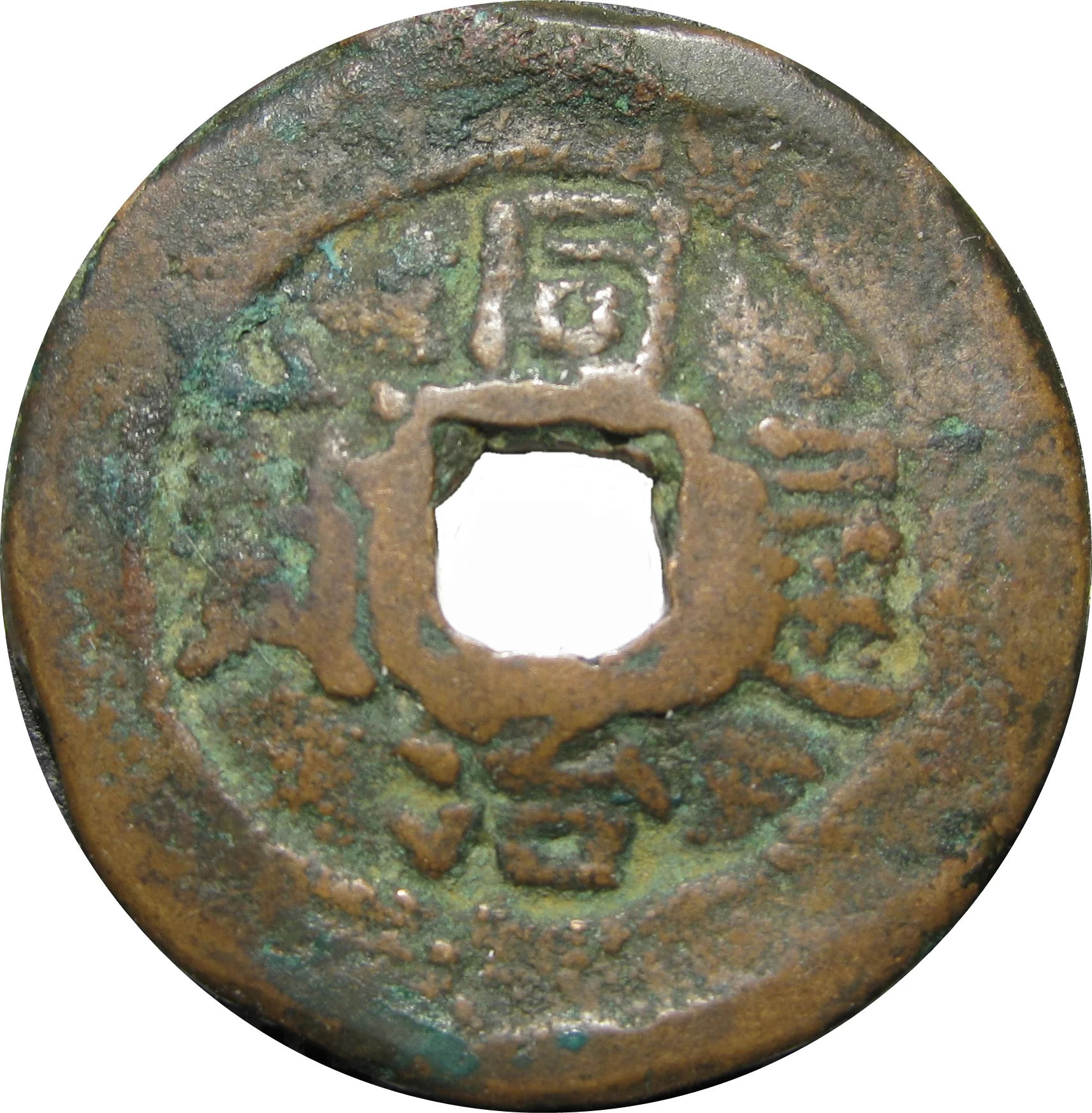
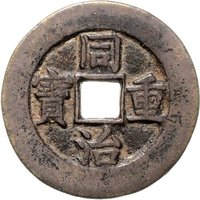
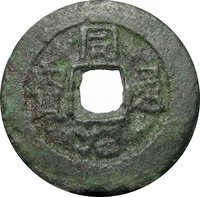
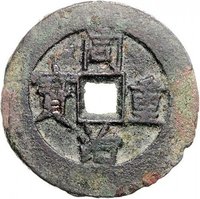
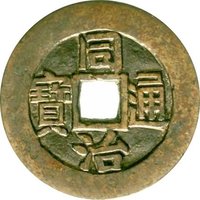
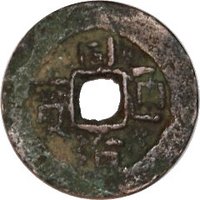
Obverse
Description:
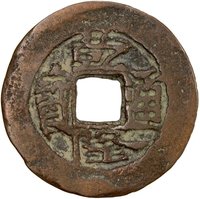
Four Chinese characters read vertically, right to left.
Inscription:
同
寶 通
治
寶 通
治
Translation:
Tongzhi Tongbao
Scripts: Chinese (traditional, regular script)
Language: Chinese
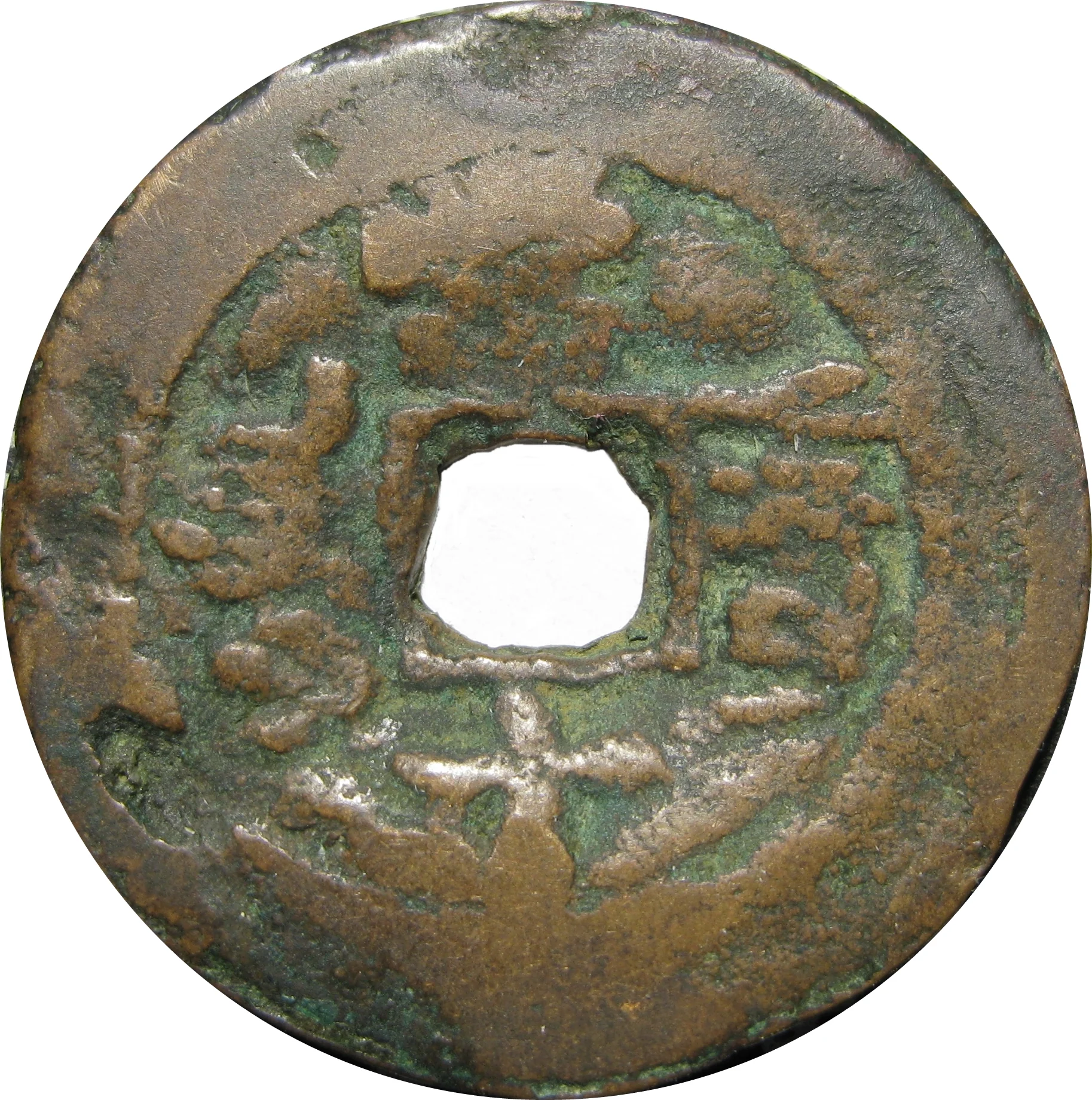
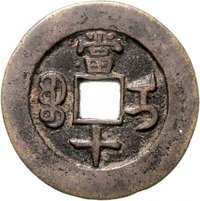
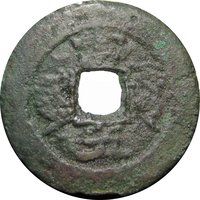
Reverse
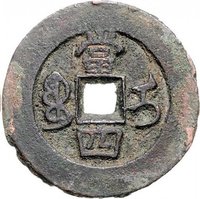
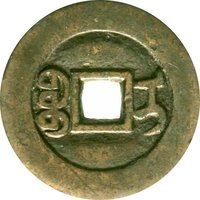
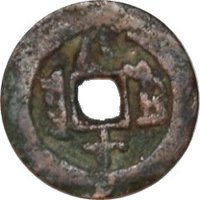
Description:
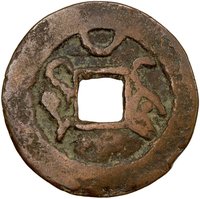
One Chinese character above and below, one Uyghur word to the right, and one Manchu word to the left.
Inscription:
當
ᠠᡴᠰᡠ اقسو
十
ᠠᡴᠰᡠ اقسو
十
Translation:
Ten Aksu
Edge
Plain
Mints
| Name | Mark |
|---|---|
| Aksu Mint | — |
Mintings
| Year | Mint Mark | Mintage | Quality | Collection |
|---|---|---|---|---|
| — | — | — |
Historical background
In 1862, the currency situation in South Xinjiang (the Tarim Basin region) was characterized by severe instability and fragmentation, a direct consequence of the ongoing Dungan Revolt (also known as the Hui Minorities War). The Qing administration's authority had collapsed across much of the region as rebel forces captured city-states like Kashgar, Yarkand, and Khotan. This political vacuum shattered the unified monetary system, leading to a regression to highly localized and insecure forms of currency. The standard Qing coinage, the Xinjiang Red Cash coin (with its distinctive high copper content), ceased to be reliably minted or accepted in many areas, crippling regional trade and taxation.
Amid the chaos, multiple competing authorities began issuing their own currencies. Most notably, Yaqub Beg, the Kokandi military commander, was just beginning his campaign to consolidate power (formally establishing the Kashgaria Khanate in 1865). In 1862, his currency system was not yet fully established, but various rebel leaders and remaining Qing loyalists in isolated strongholds likely produced ad-hoc coinage. The primary forms of money became old Qing coins from hoards, Kokandi tangas (silver coins) brought by Yaqub Beg's forces, and even barter. This proliferation of currencies of uncertain weight and purity created a climate of commercial distrust and rampant inflation.
The monetary disorder was both a symptom and a cause of profound economic distress. Long-distance trade along the southern Silk Road routes, vital to the region's prosperity, was severely disrupted by the warfare and lack of a reliable medium of exchange. For the local population, the collapse of a uniform currency meant daily hardship, as the value of savings evaporated and market transactions became fraught with uncertainty. Thus, in 1862, the currency of South Xinjiang was not a tool of unified economic policy but a reflection of a society fractured by war, with its stability entirely dependent on the unpredictable outcome of the military struggle for control of the region.
Amid the chaos, multiple competing authorities began issuing their own currencies. Most notably, Yaqub Beg, the Kokandi military commander, was just beginning his campaign to consolidate power (formally establishing the Kashgaria Khanate in 1865). In 1862, his currency system was not yet fully established, but various rebel leaders and remaining Qing loyalists in isolated strongholds likely produced ad-hoc coinage. The primary forms of money became old Qing coins from hoards, Kokandi tangas (silver coins) brought by Yaqub Beg's forces, and even barter. This proliferation of currencies of uncertain weight and purity created a climate of commercial distrust and rampant inflation.
The monetary disorder was both a symptom and a cause of profound economic distress. Long-distance trade along the southern Silk Road routes, vital to the region's prosperity, was severely disrupted by the warfare and lack of a reliable medium of exchange. For the local population, the collapse of a uniform currency meant daily hardship, as the value of savings evaporated and market transactions became fraught with uncertainty. Thus, in 1862, the currency of South Xinjiang was not a tool of unified economic policy but a reflection of a society fractured by war, with its stability entirely dependent on the unpredictable outcome of the military struggle for control of the region.

✨ Legendary