

1 cash – South Xinjiang
Add to wishlist
China
Context
Years: 1821–1828
Country: China
Issuer: South Xinjiang
Ruler: Daoguang
Currency:
(1759—1909)
Demonetized: Yes
Material
Diameter: 25 mm
Weight: 3.82 g
Thickness: 1.2 mm
Shape: Round with a square hole
Composition: Copper
Magnetic: No
Technique: Cast
Alignment: Medal alignment
flip
References
Numista: #175244
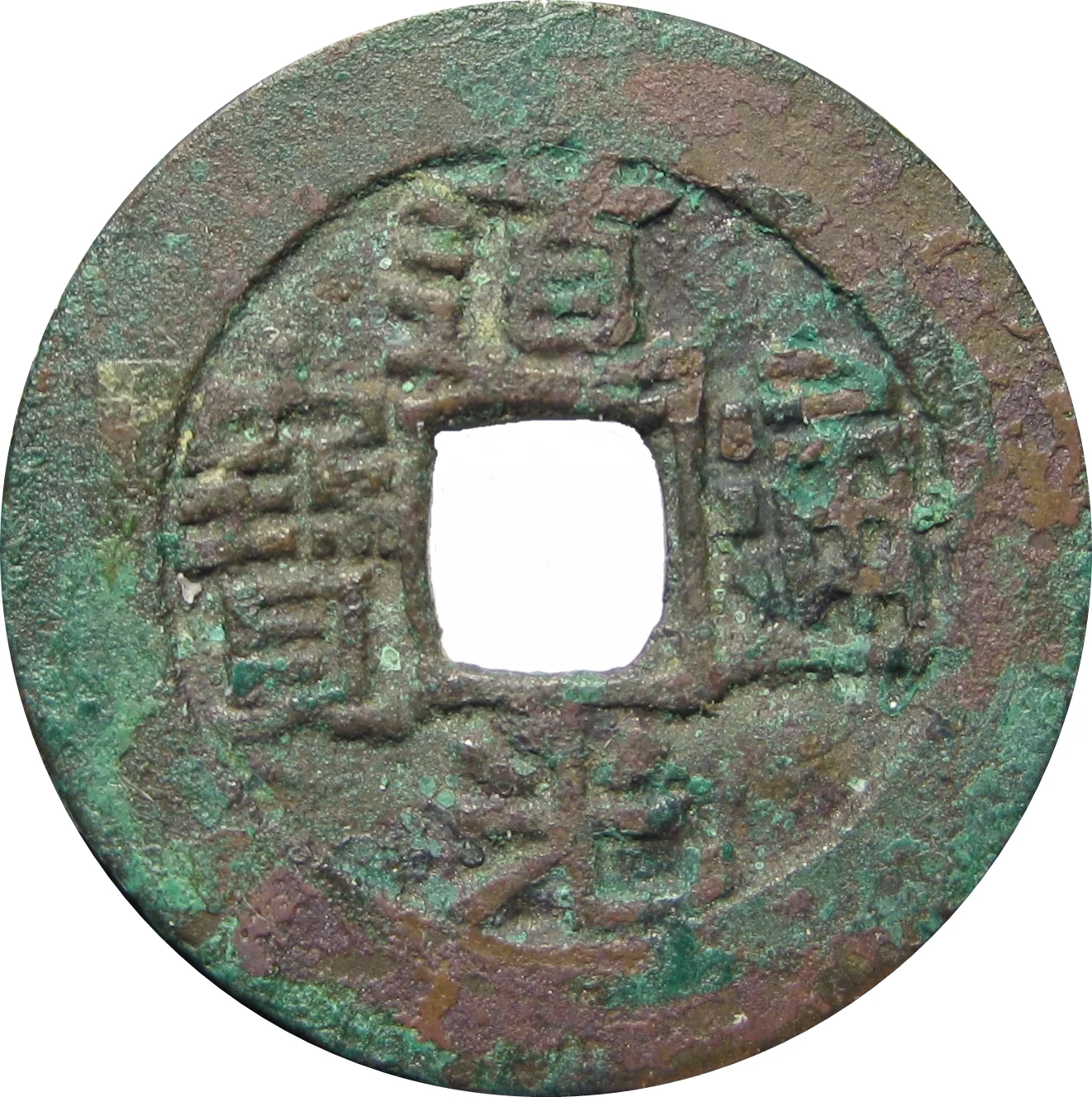
Obverse
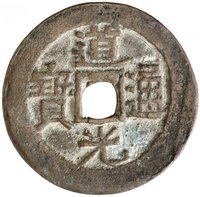
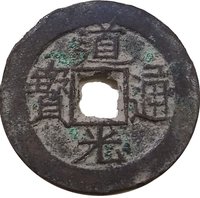
Description:
Four Chinese characters read vertically, right to left.
Inscription:
道
寶 通
光
寶 通
光
Translation:
Daoguang
Tongbao
Tongbao
Scripts: Chinese (traditional, regular script)
Language: Chinese
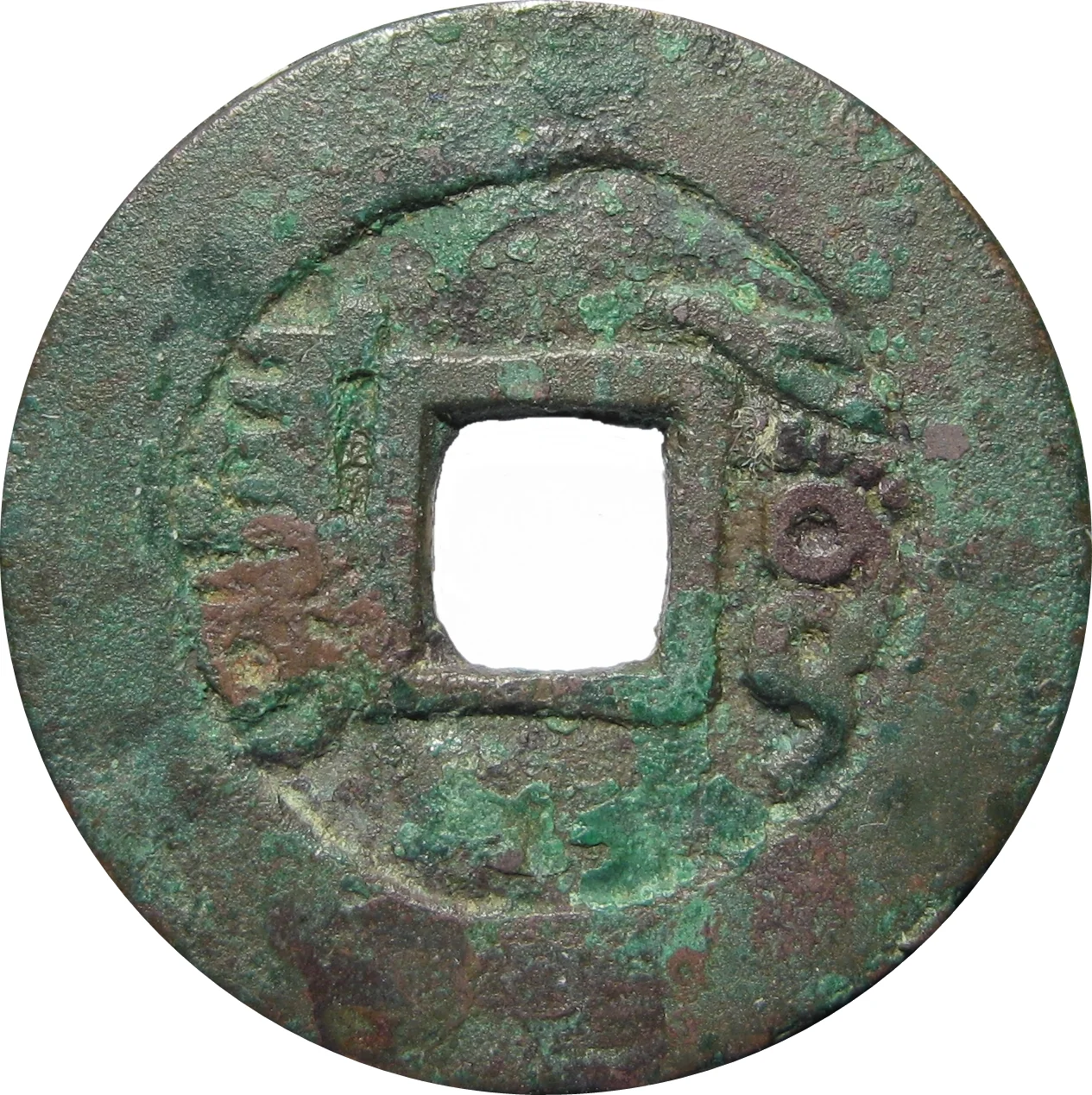
Reverse
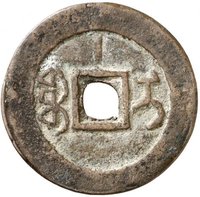
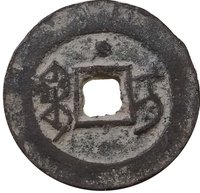
Description:
Uyghur on the right, Manchu on the left.
Inscription:
ᠠᡴᠰᡠ اقسو
Translation:
Silver coin
Scripts: Mongolian / Manchu, Old Uyghur
Edge
Plain
Mints
| Name | Mark |
|---|---|
| Aksu Mint | — |
Mintings
| Year | Mint Mark | Mintage | Quality | Collection |
|---|---|---|---|---|
| — | — | — |
Historical background
In 1821, the currency situation in South Xinjiang (the Tarim Basin region) was characterized by a complex and fragmented monetary environment under the consolidating, but still indirect, rule of the Qing Dynasty. Following the Qing reconquest of the region from the Khojas in the 1750s, the imperial administration in Xinjiang operated a dual-system, with a military-governed Bannermen zone in the north and a Beg-administered Muslim zone in the southern oases. Officially, the Qing promoted the use of its own standardized currency: the Xinjiang red cash coin (Hongqian), which was minted locally with a higher copper content than regular zhiqian cash coins from China proper to ensure its acceptance and prevent outflow.
However, in practice, the everyday monetary landscape in South Xinjiang's bazaars was dominated by older, non-Qing currencies. The most important of these was the pul coin, a small copper coin of Central Asian origin that had circulated for centuries. Large transactions, particularly in cross-border trade along the Silk Road, were often conducted using silver in bulk form (measured by weight in yambus) or through foreign silver coins, notably the Mexican silver dollar, which arrived via Indian and Russian trade networks. The simultaneous circulation of Qing hongqian, local pul, and foreign silver created a fluctuating and often confusing system of exchange rates that varied from oasis to oasis.
This monetary fragmentation reflected the region's transitional political economy. While Qing sovereignty was firmly established, its economic integration was incomplete. The continued primacy of the pul and silver signified the enduring strength of local Islamic society and South Xinjiang's deep economic ties to Central Asia rather than to Beijing. The currency mosaic of 1821 thus embodied the tension between imperial consolidation and the region's persistent cultural and commercial orientation toward the Khanates of Transoxiana and beyond.
However, in practice, the everyday monetary landscape in South Xinjiang's bazaars was dominated by older, non-Qing currencies. The most important of these was the pul coin, a small copper coin of Central Asian origin that had circulated for centuries. Large transactions, particularly in cross-border trade along the Silk Road, were often conducted using silver in bulk form (measured by weight in yambus) or through foreign silver coins, notably the Mexican silver dollar, which arrived via Indian and Russian trade networks. The simultaneous circulation of Qing hongqian, local pul, and foreign silver created a fluctuating and often confusing system of exchange rates that varied from oasis to oasis.
This monetary fragmentation reflected the region's transitional political economy. While Qing sovereignty was firmly established, its economic integration was incomplete. The continued primacy of the pul and silver signified the enduring strength of local Islamic society and South Xinjiang's deep economic ties to Central Asia rather than to Beijing. The currency mosaic of 1821 thus embodied the tension between imperial consolidation and the region's persistent cultural and commercial orientation toward the Khanates of Transoxiana and beyond.

💎 Extremely Rare