


5 cents – Australia
Add to wishlist
Australia
Context
Years: 2019–2023
Issuer: Australia
Ruler: Charles III
Currency:
(since 1966)
Total mintage: 124,302,953
Material

References
KM: #
Numista: #175049
Value
Exchange value: 0.05 AUD
Inflation-adjusted value: 0.06 AUD
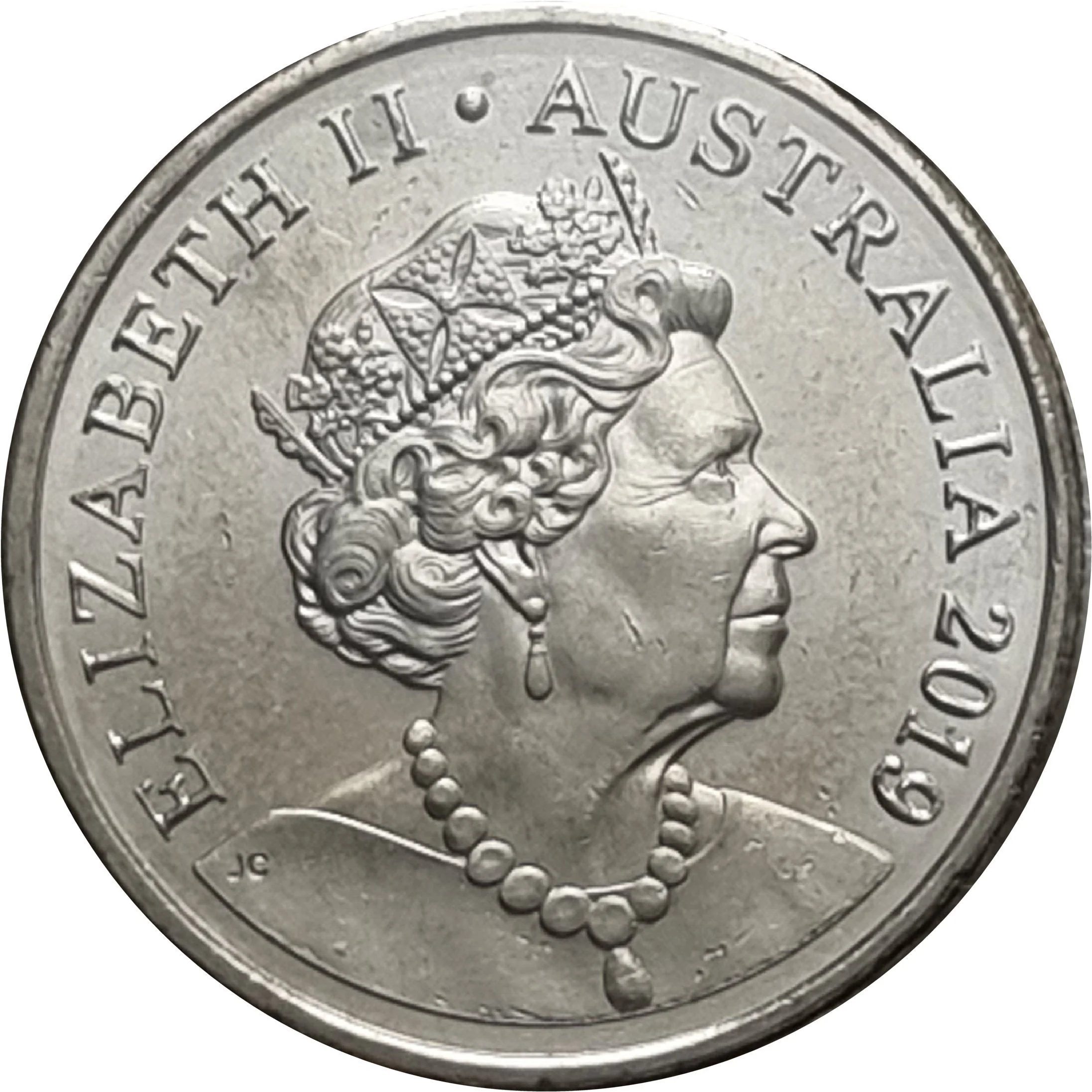
Obverse
Description:
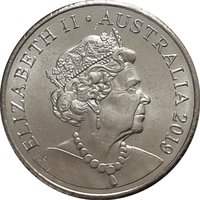
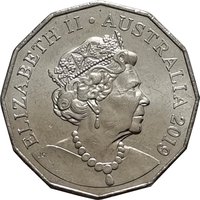
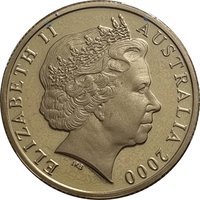
Queen Elizabeth VI in profile, wearing the George IV State Diadem and Victorian Coronation Necklace.
Inscription:
ELIZABETH II
AUSTRALIA 2019
JC
AUSTRALIA 2019
JC
Script: Latin
Designer: Jody Clark
Reverse
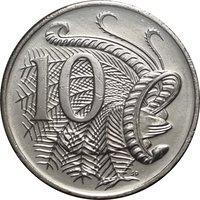
Description:
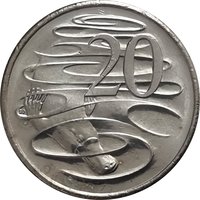
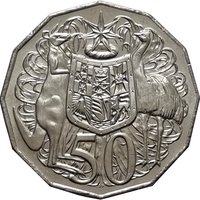
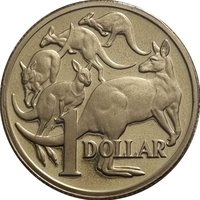
Short-beaked Echidna (Tachyglossus aculeatus) & Name
Inscription:
5
SD
SD
Script: Latin
Designer: Stuart Devlin
Edge
Reeded
Categories
| Animal |
Mints
| Name | Mark |
|---|---|
| Royal Australian Mint | — |
Mintings
| Year | Mint Mark | Mintage | Quality | Collection |
|---|---|---|---|---|
| 2019 | — | — | BU | |
| 2019 | — | 4,052,000 | ||
| 2020 | — | 1,202 | Proof | |
| 2020 | — | 17,551 | BU | |
| 2020 | — | 34,500,000 | ||
| 2021 | — | 1,500 | BU | |
| 2021 | — | 36,700,000 | ||
| 2021 | — | 15,600 | Proof | |
| 2022 | — | 49,002,000 | ||
| 2022 | — | 13,100 | Proof | |
| 2022 | — | — | BU | |
| 2023 | — | — | BU | |
| 2023 | — | — | Proof |
Historical background
In 2019, the Australian economy and its currency, the Australian dollar (AUD), navigated a complex landscape defined by both domestic and international pressures. Domestically, the year was marked by a significant economic slowdown, with GDP growth softening and wage stagnation persisting despite low unemployment. The Reserve Bank of Australia (RBA) responded to these weakening indicators by implementing a historic shift in monetary policy, cutting the official cash rate three times—in June, July, and October—to a new record low of 0.75%. This dovish stance aimed to stimulate inflation and growth but placed downward pressure on the AUD's yield attractiveness.
Internationally, the currency was heavily influenced by the escalating US-China trade war and its ripple effects. As a commodity-driven currency, the AUD is highly sensitive to Chinese economic health and global trade flows. Fears of slowing Chinese demand for key Australian exports like iron ore, coupled with broader global manufacturing weakness, created persistent headwinds. Consequently, the AUD spent much of the year trading within a relatively narrow and subdued band, generally between US$0.67 and US$0.70, reflecting these tempered growth and trade prospects.
Overall, 2019 was a year of monetary policy recalibration and external vulnerability for the Australian dollar. The RBA's proactive rate cuts underscored concerns about domestic economic momentum, while the currency’s trajectory remained tethered to unresolved global trade tensions and China’s performance. This set the stage for the unprecedented monetary and fiscal challenges that would follow in 2020 with the onset of the COVID-19 pandemic.
Internationally, the currency was heavily influenced by the escalating US-China trade war and its ripple effects. As a commodity-driven currency, the AUD is highly sensitive to Chinese economic health and global trade flows. Fears of slowing Chinese demand for key Australian exports like iron ore, coupled with broader global manufacturing weakness, created persistent headwinds. Consequently, the AUD spent much of the year trading within a relatively narrow and subdued band, generally between US$0.67 and US$0.70, reflecting these tempered growth and trade prospects.
Overall, 2019 was a year of monetary policy recalibration and external vulnerability for the Australian dollar. The RBA's proactive rate cuts underscored concerns about domestic economic momentum, while the currency’s trajectory remained tethered to unresolved global trade tensions and China’s performance. This set the stage for the unprecedented monetary and fiscal challenges that would follow in 2020 with the onset of the COVID-19 pandemic.
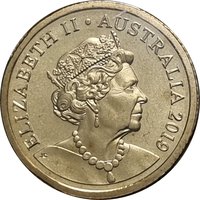
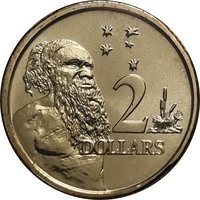
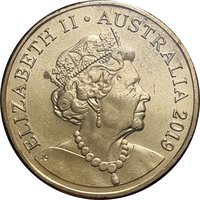
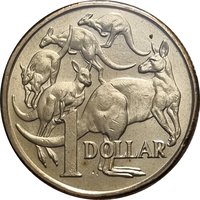
Series: 2019 Australia circulation coins
🌱 Common