

5⁄3 bahts – Thailand
Add to wishlist
Thailand
Context
Material
Diameter: 38 mm
Weight: 27.07 g
Silver Weight:: 24.44 g
Shape: Round
Composition: 90.3% Silver
Magnetic: No
Techniques: Milled, Countermarked
Alignment: Coin alignment
flip
References
Numista: #174445
Value
Bullion value: $61.36
Obverse
Reverse
Inscription:
REPUB. PERUANA. LIMAE.8 R. M.B
.1840.
.1840.
Edge
Mints
| Name | Mark |
|---|---|
| Lima | LIMAE |
Historical background
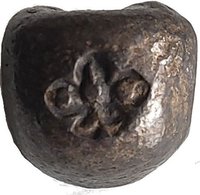
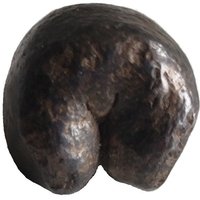
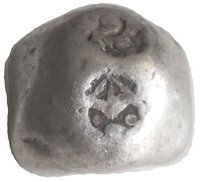
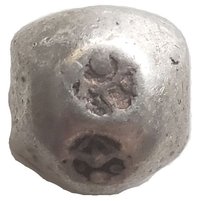
In 1840, the Kingdom of Siam (modern-day Thailand) operated under a complex and fragmented pre-modern monetary system, characteristic of its sovereign but insular economy. The official currency was based on a weight system of precious metals, primarily silver. The fundamental unit was the baht (also known as the tical), which was not a coin but a unit of weight equivalent to approximately 15 grams of silver. Commerce was conducted using chopped pieces of silver bullion, known as "bullet coins" or photduang, which were stamped to guarantee purity but had to be weighed for each transaction. Alongside this, cowrie shells and copper coins from China circulated for smaller, everyday purchases, creating a multi-tiered system.
This system existed largely because King Rama III (r. 1824–1851) was deeply conservative in fiscal matters, resisting the minting of standardized flat coins despite being aware of their use by European powers and neighboring kingdoms. The economy was primarily subsistence-based, with taxation and royal trade conducted in kind (e.g., rice, timber) or in silver by weight. International trade, particularly with China, was significant, and payment was often made in silver bullion, reinforcing the metal's central role. The system was cumbersome and hindered larger-scale commerce, as the value of money depended on the variable weight and purity of each silver piece.
The 1840s marked a period of mounting pressure for change. Increased trade with Western merchants, who found the bullet coin system archaic and inconvenient, highlighted the need for modernization. Furthermore, the success of standardized coinage in neighboring British colonies and the growing complexity of the Siamese economy began to expose the system's inefficiencies. While King Rama III resisted formal monetary reform, the decade set the stage for the transformative changes that would follow under his successor, King Mongkut (Rama IV), who would begin minting modern coins in the 1860s, paving the way for a unified national currency.
This system existed largely because King Rama III (r. 1824–1851) was deeply conservative in fiscal matters, resisting the minting of standardized flat coins despite being aware of their use by European powers and neighboring kingdoms. The economy was primarily subsistence-based, with taxation and royal trade conducted in kind (e.g., rice, timber) or in silver by weight. International trade, particularly with China, was significant, and payment was often made in silver bullion, reinforcing the metal's central role. The system was cumbersome and hindered larger-scale commerce, as the value of money depended on the variable weight and purity of each silver piece.
The 1840s marked a period of mounting pressure for change. Increased trade with Western merchants, who found the bullet coin system archaic and inconvenient, highlighted the need for modernization. Furthermore, the success of standardized coinage in neighboring British colonies and the growing complexity of the Siamese economy began to expose the system's inefficiencies. While King Rama III resisted formal monetary reform, the decade set the stage for the transformative changes that would follow under his successor, King Mongkut (Rama IV), who would begin minting modern coins in the 1860s, paving the way for a unified national currency.
✨ Legendary